
Anza-Borrego Desert Natural History Association

Uncover Anza-Borrego's wonders through education and exploration

ABDNHA Calendar of Events

Uncover Anza-Borrego's wonders through education and exploration

ABDNHA Calendar of Events
Anza-Borrego Desert Natural History Association
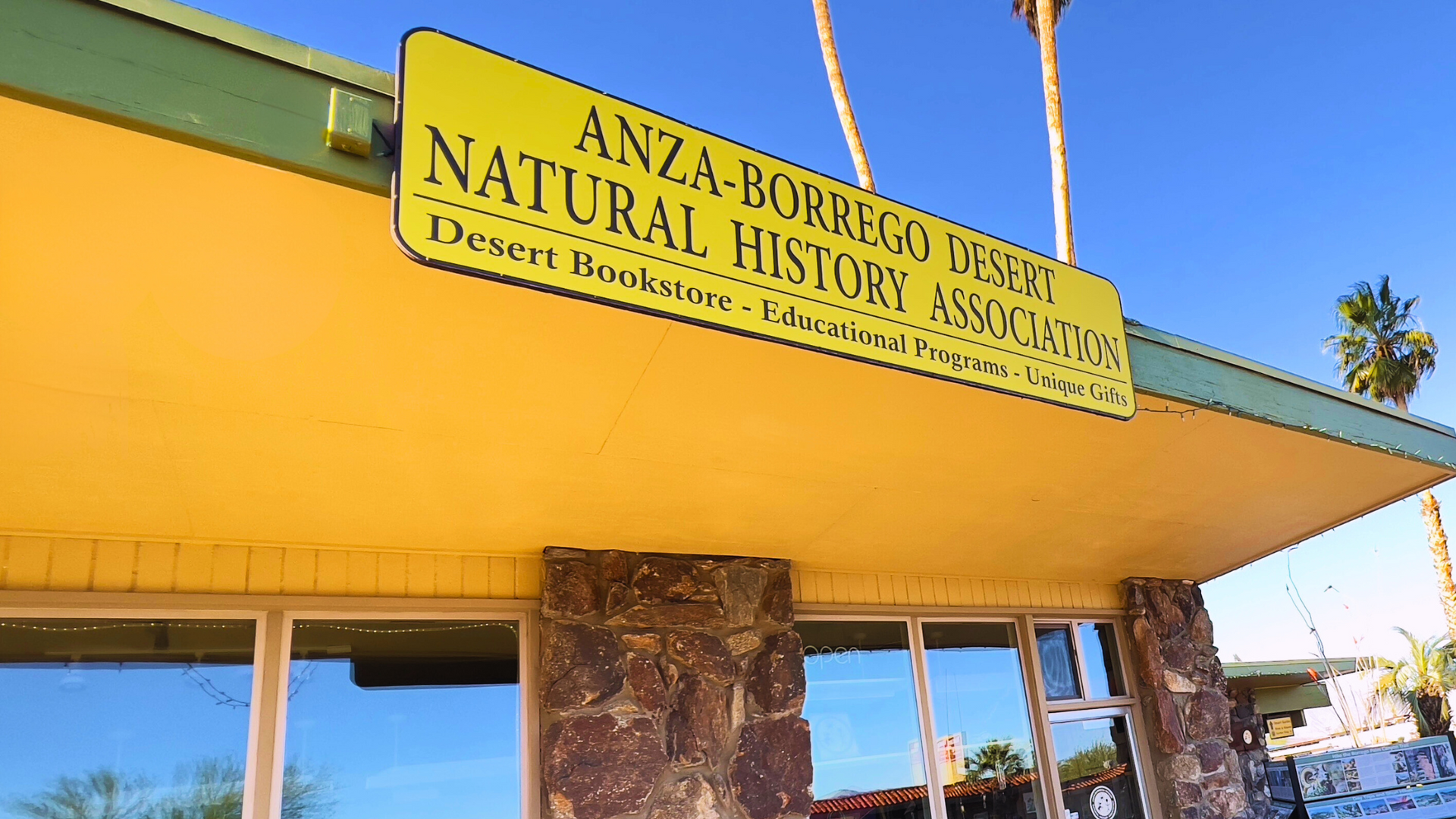
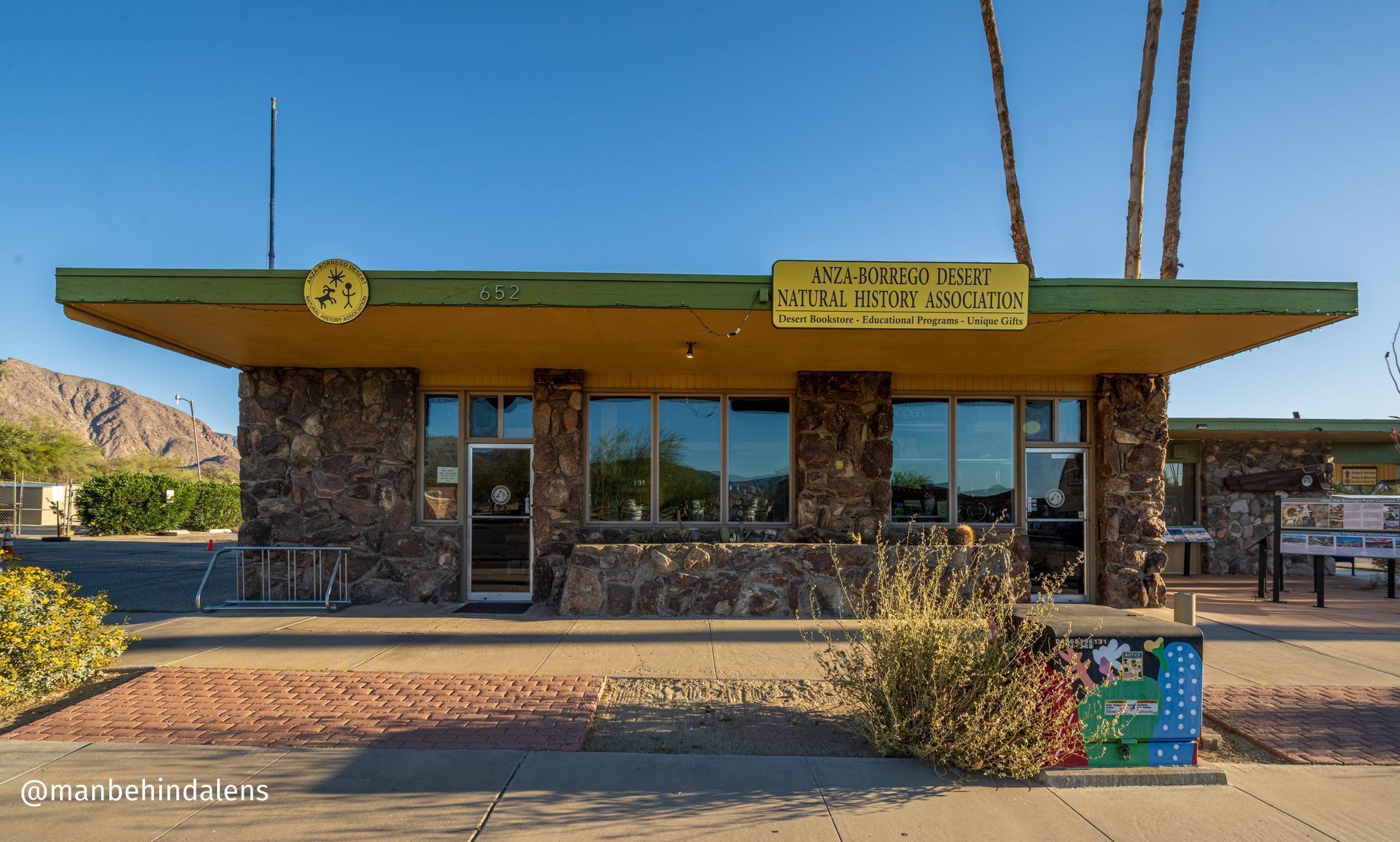
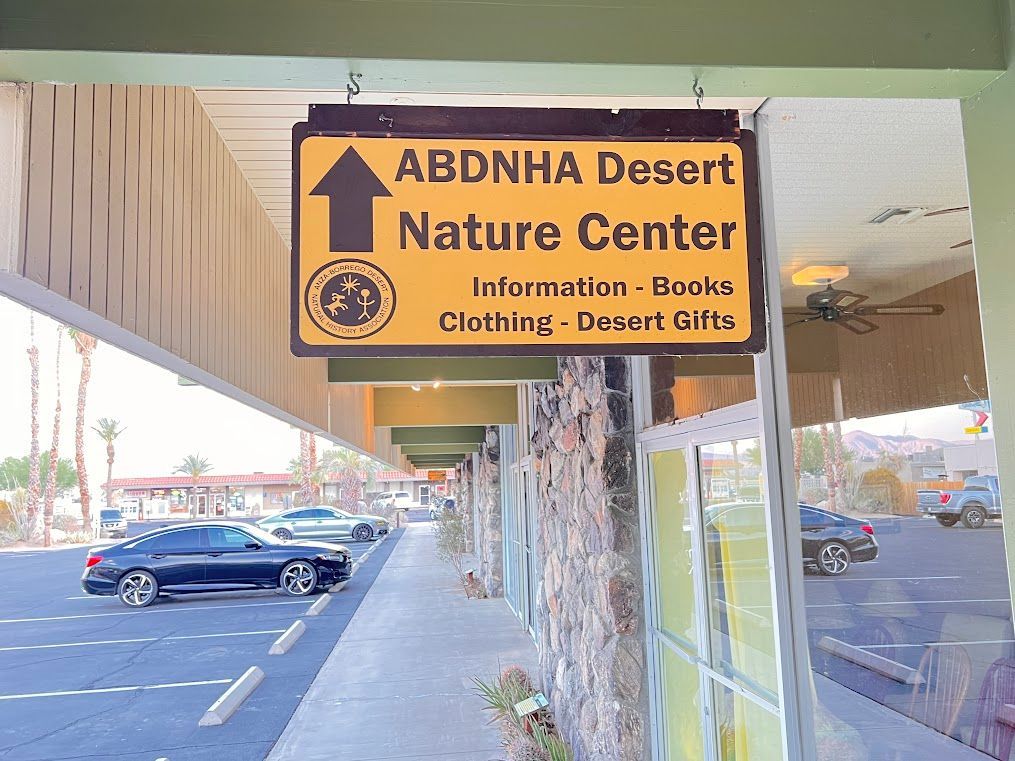
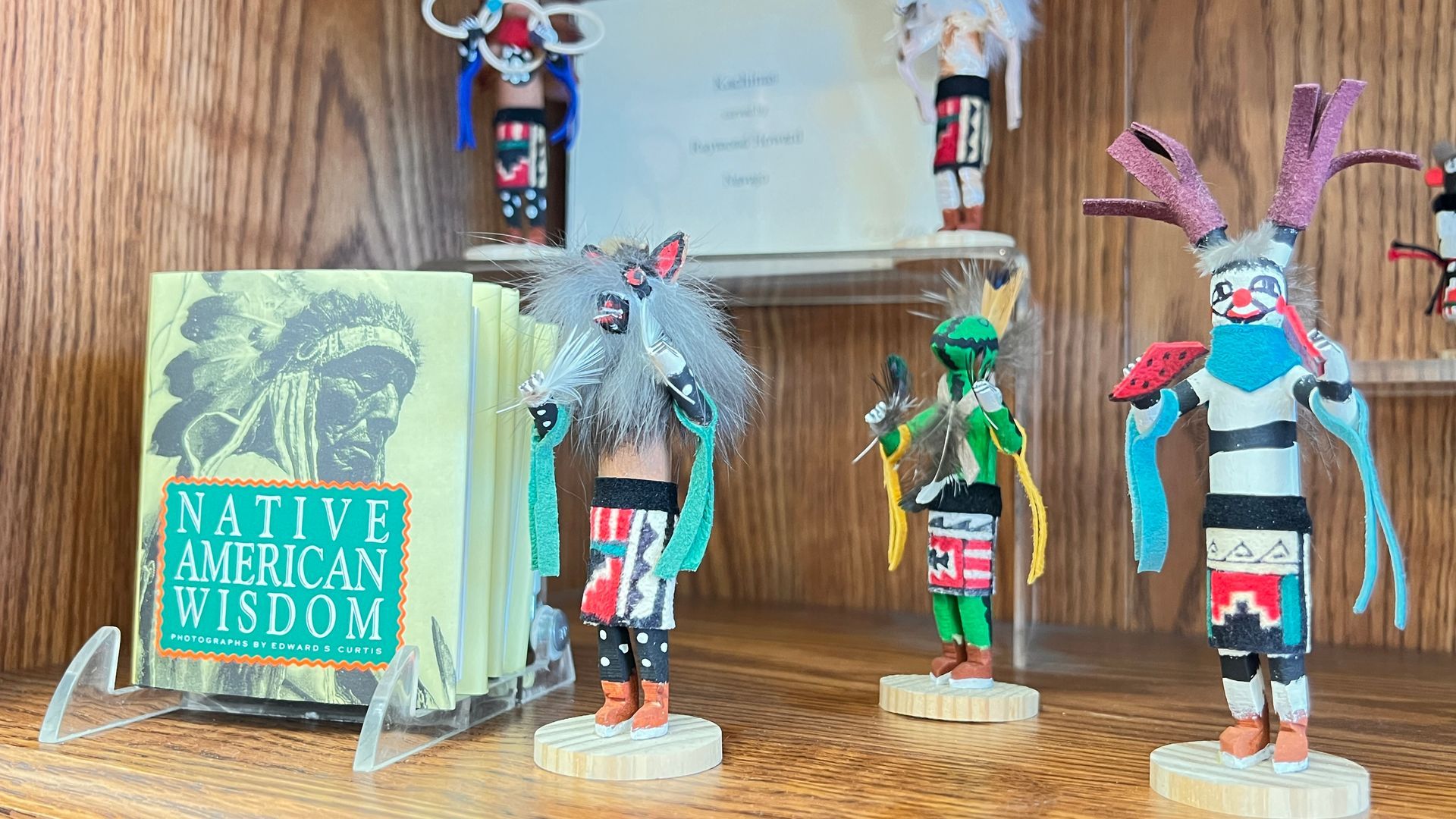
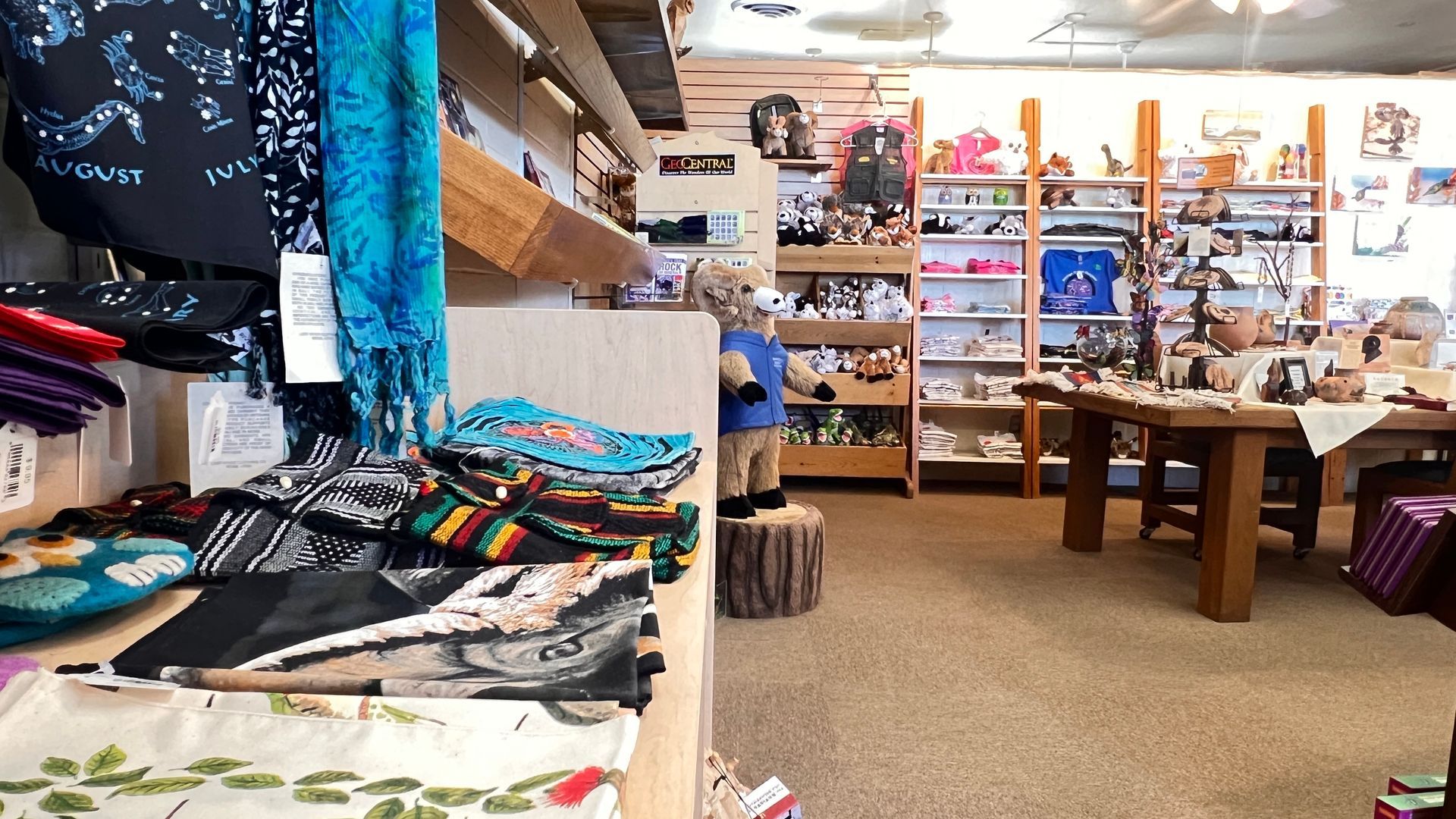
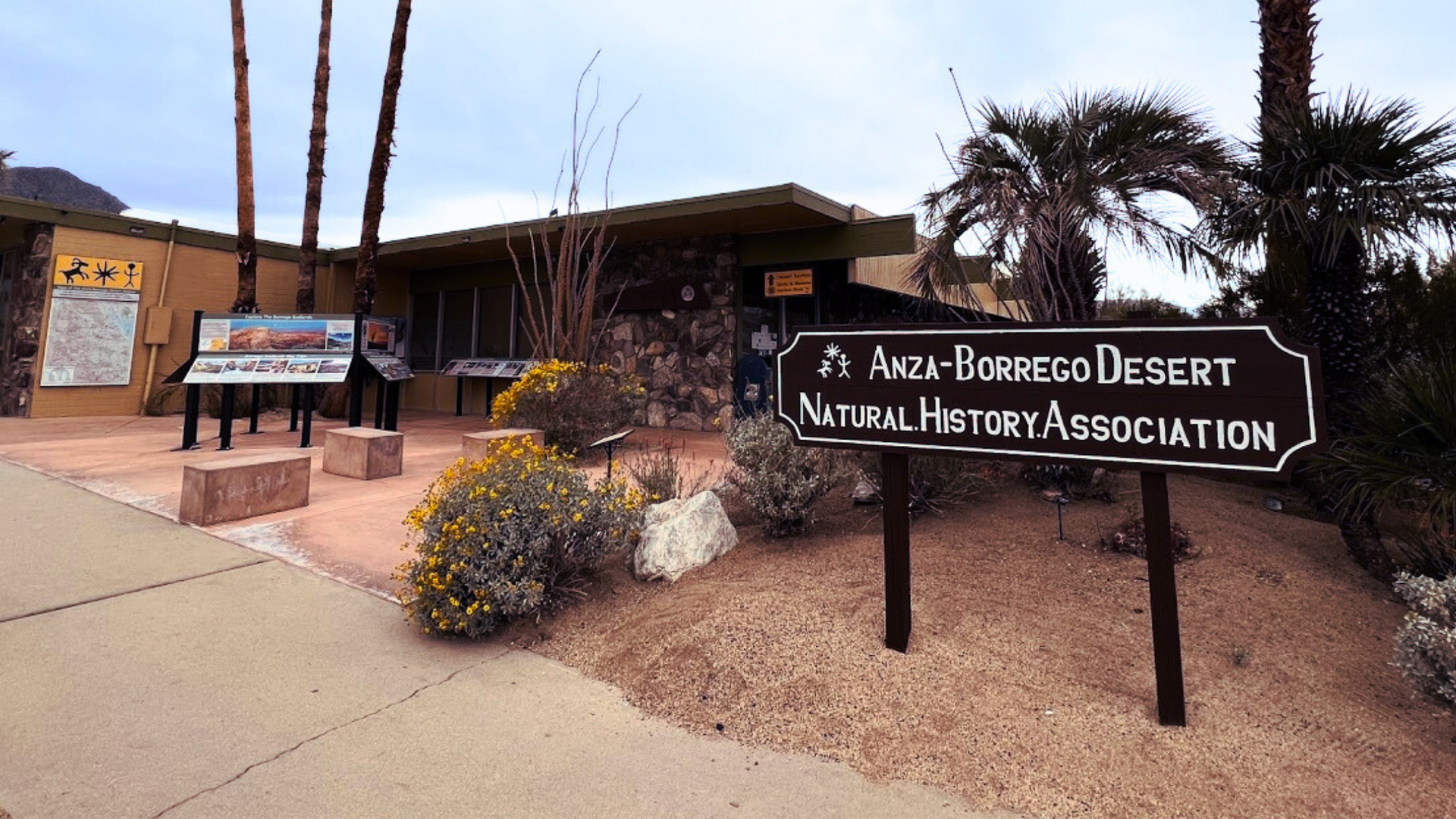
Visit ABDNHA's Desert Nature Center, Gift Shop In Borrego Springs
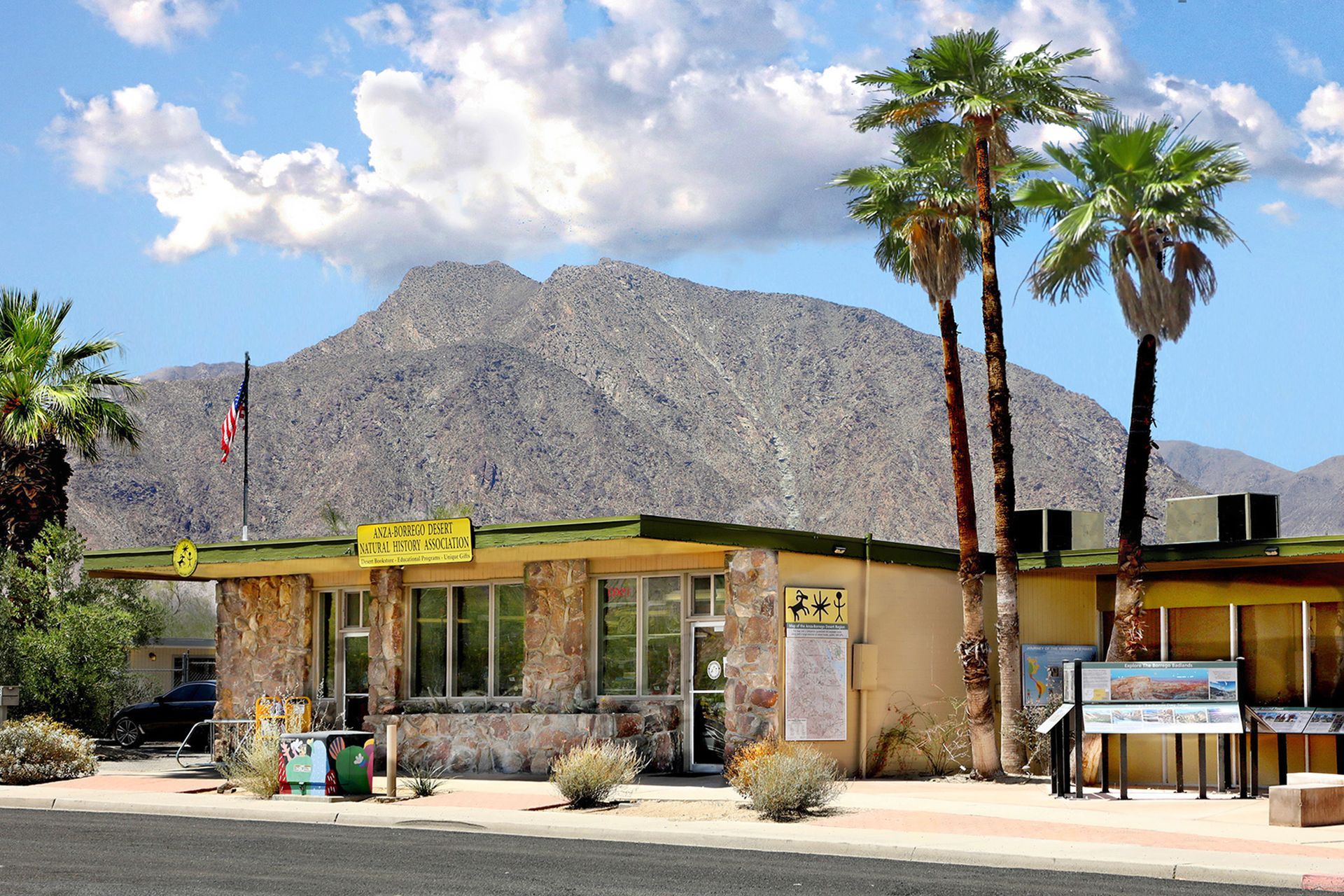
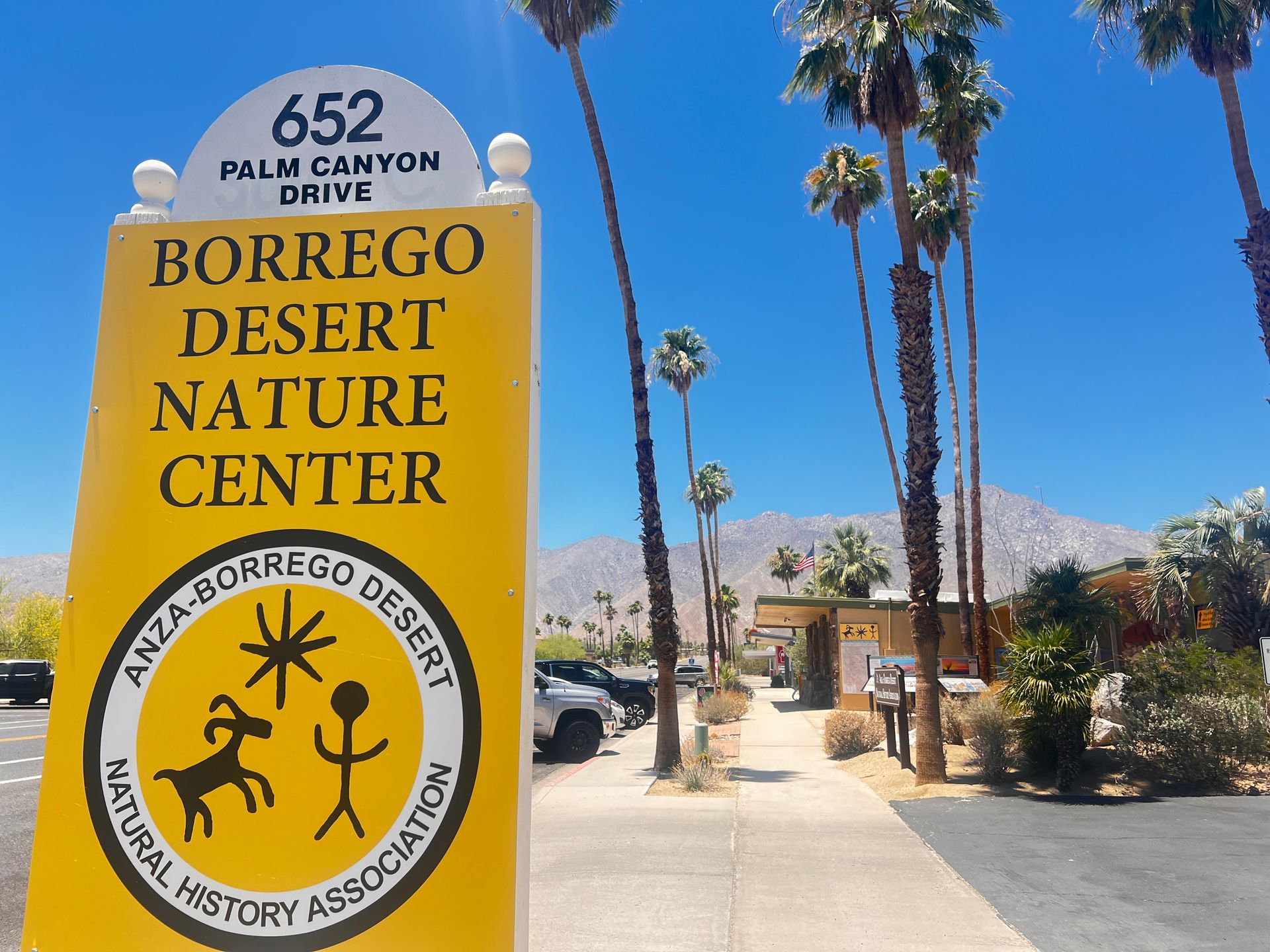
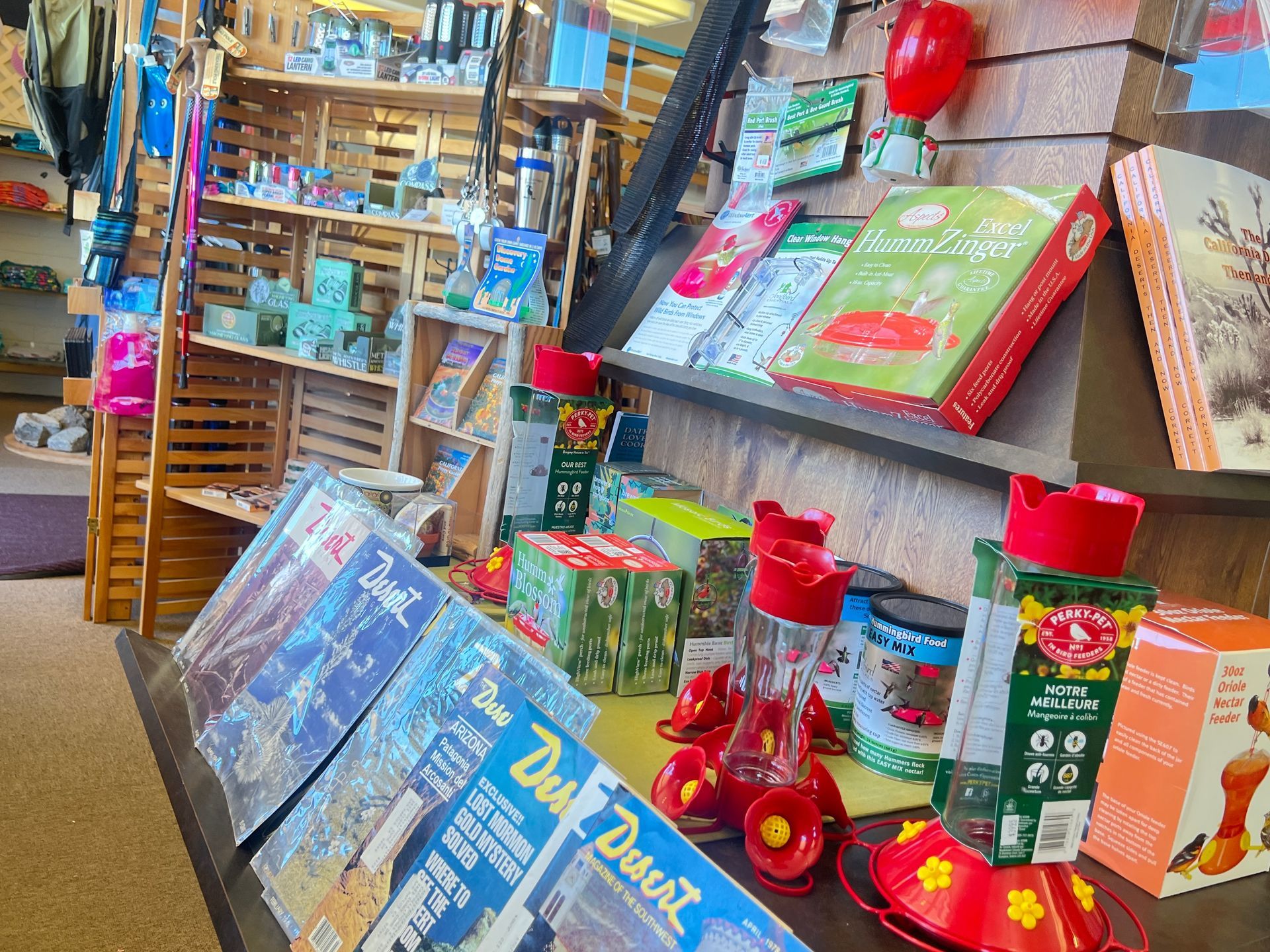
Your Local Source for Hiking Guides, Wildlife Books, Local Gifts, Expert Guidance, Educational Programs, and More, Located at 652 Palm Canyon Drive, Borrego Springs, CA.

Your Local Source for Hiking Guides, Wildlife Books, Local Gifts, Expert Guidance, Educational Programs, and More, Located at 652 Palm Canyon Drive, Borrego Springs, CA.

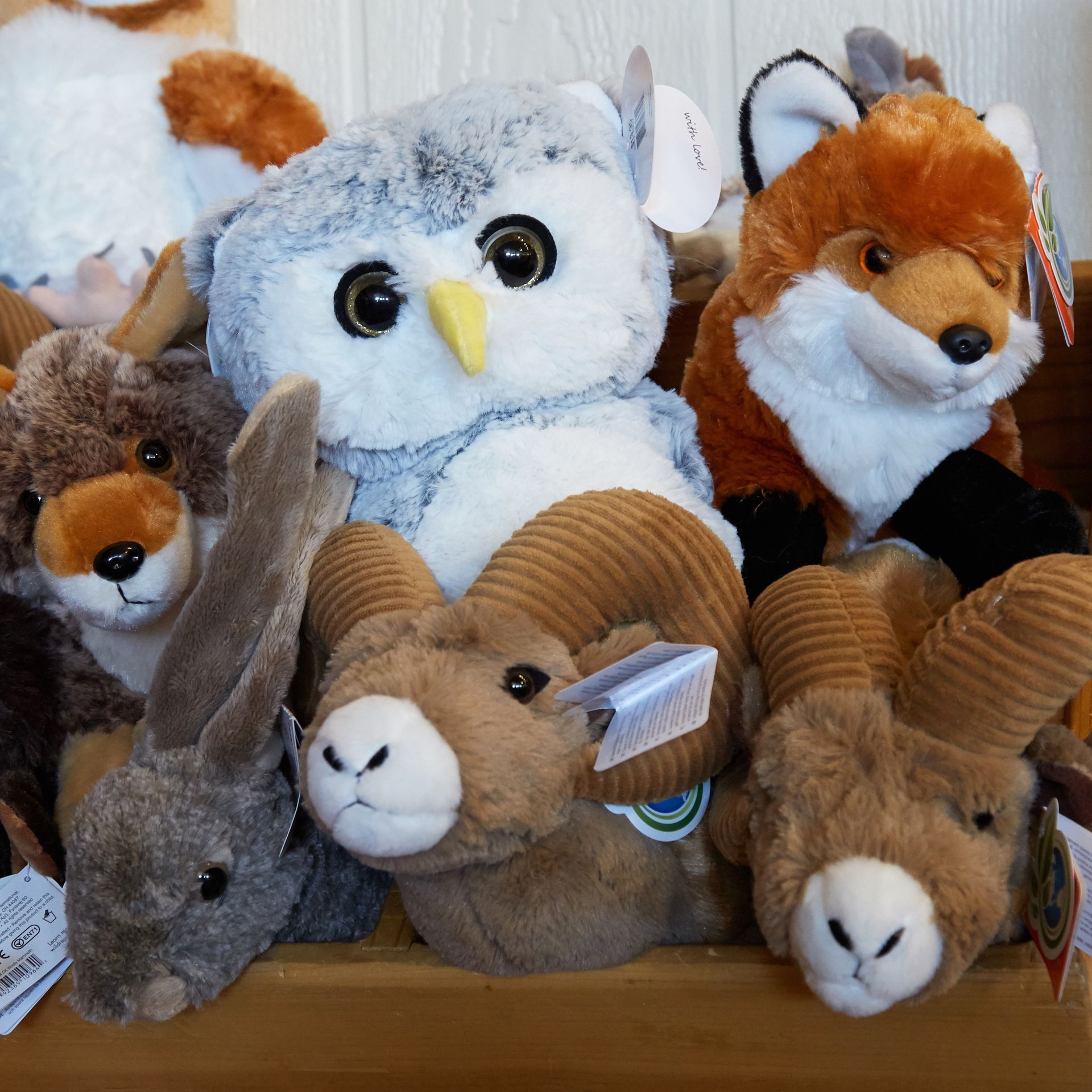
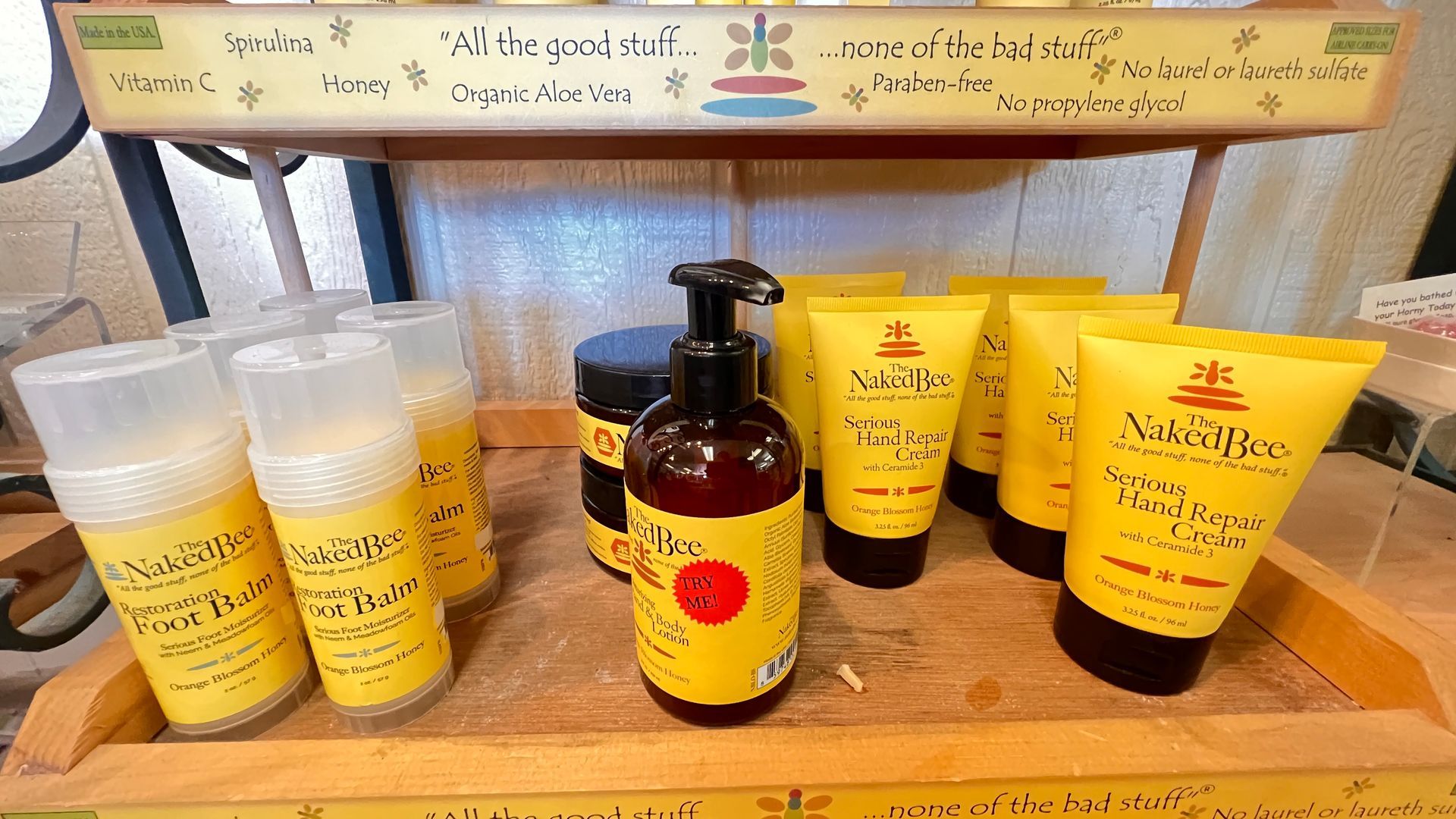
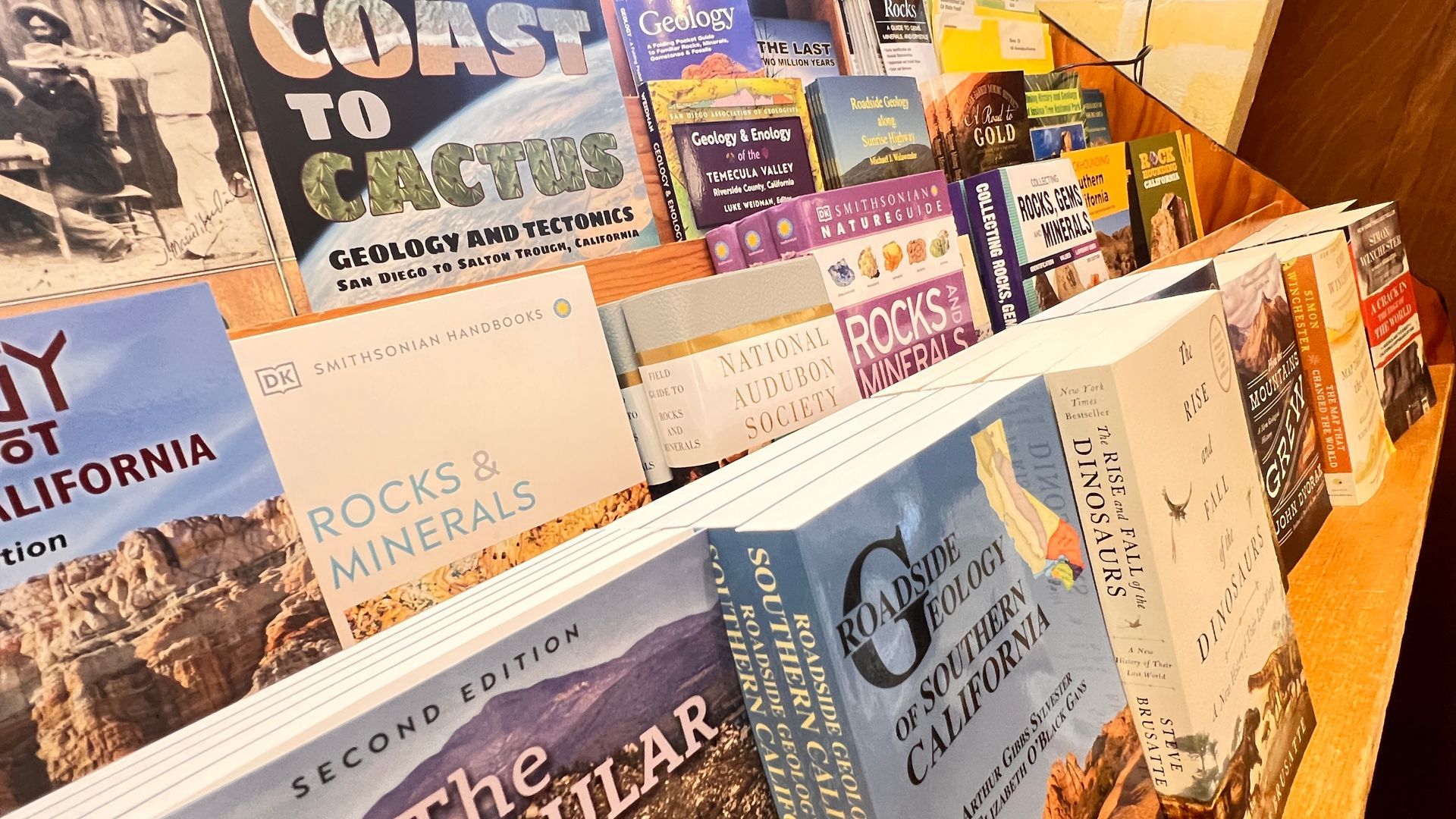
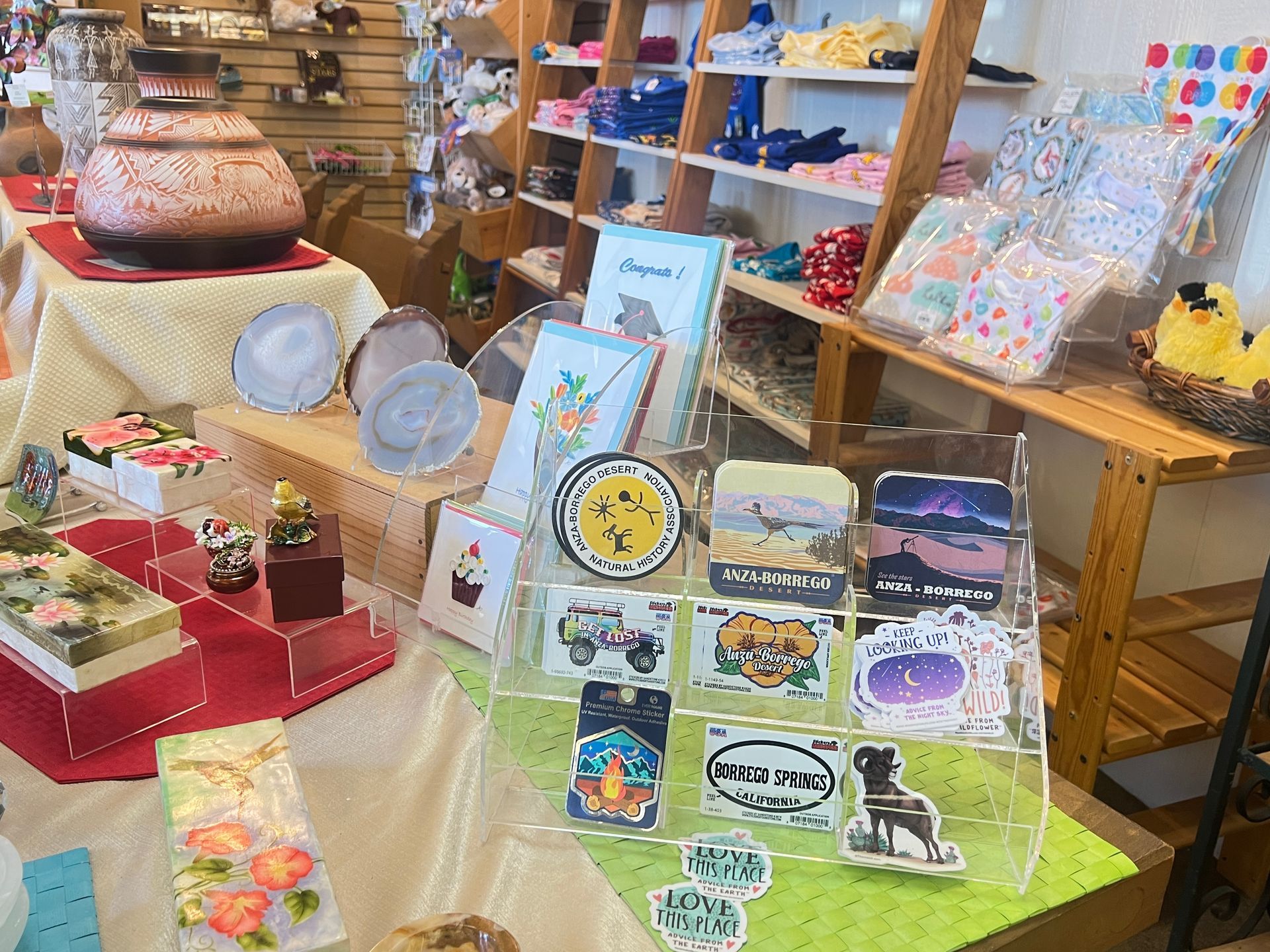
  • The Anza-Borrego Desert Natural History Association, gift shop

    Slide title

    Write your caption here
    Button
  • Slide title

    Write your caption here
    Button
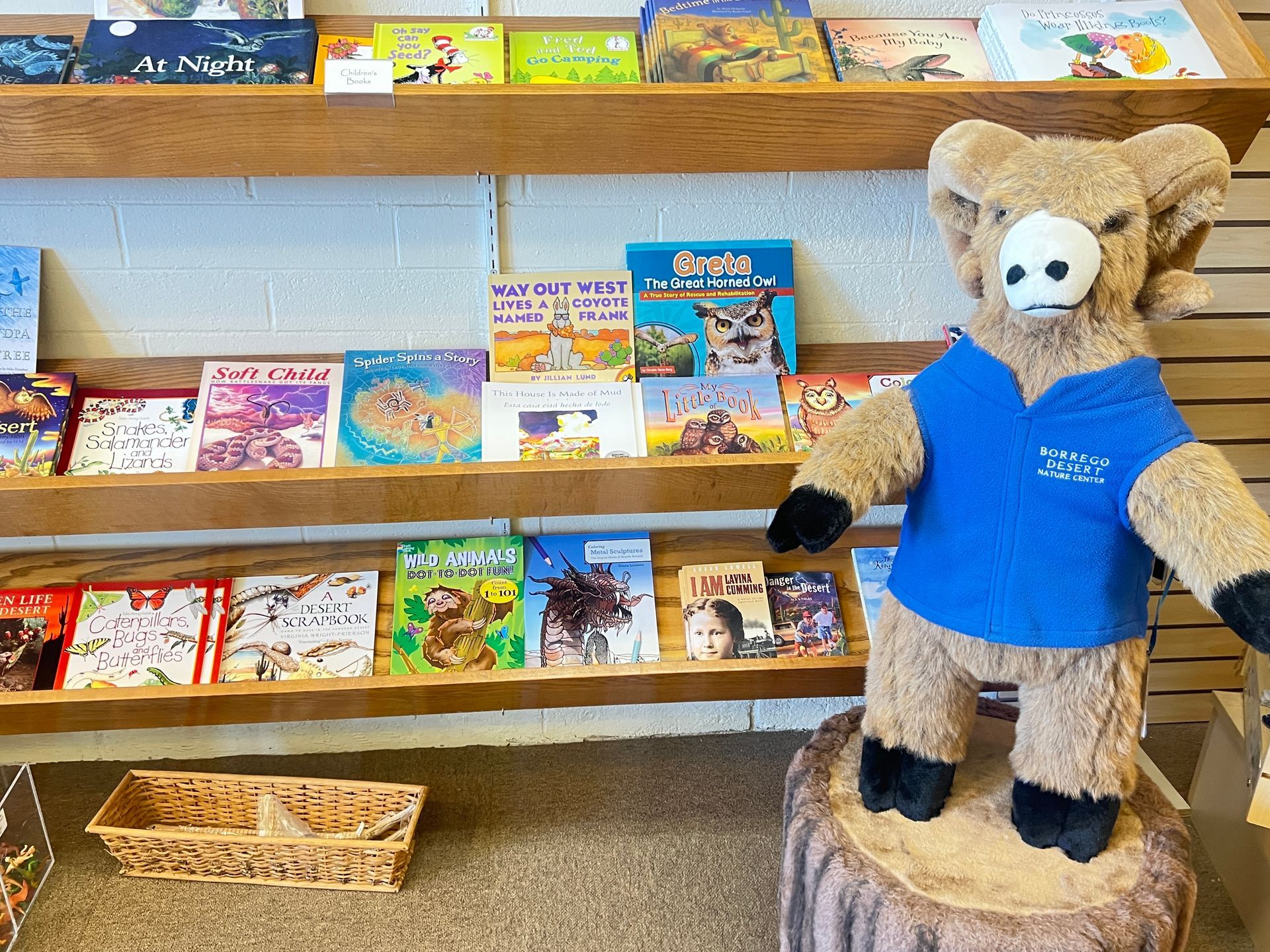
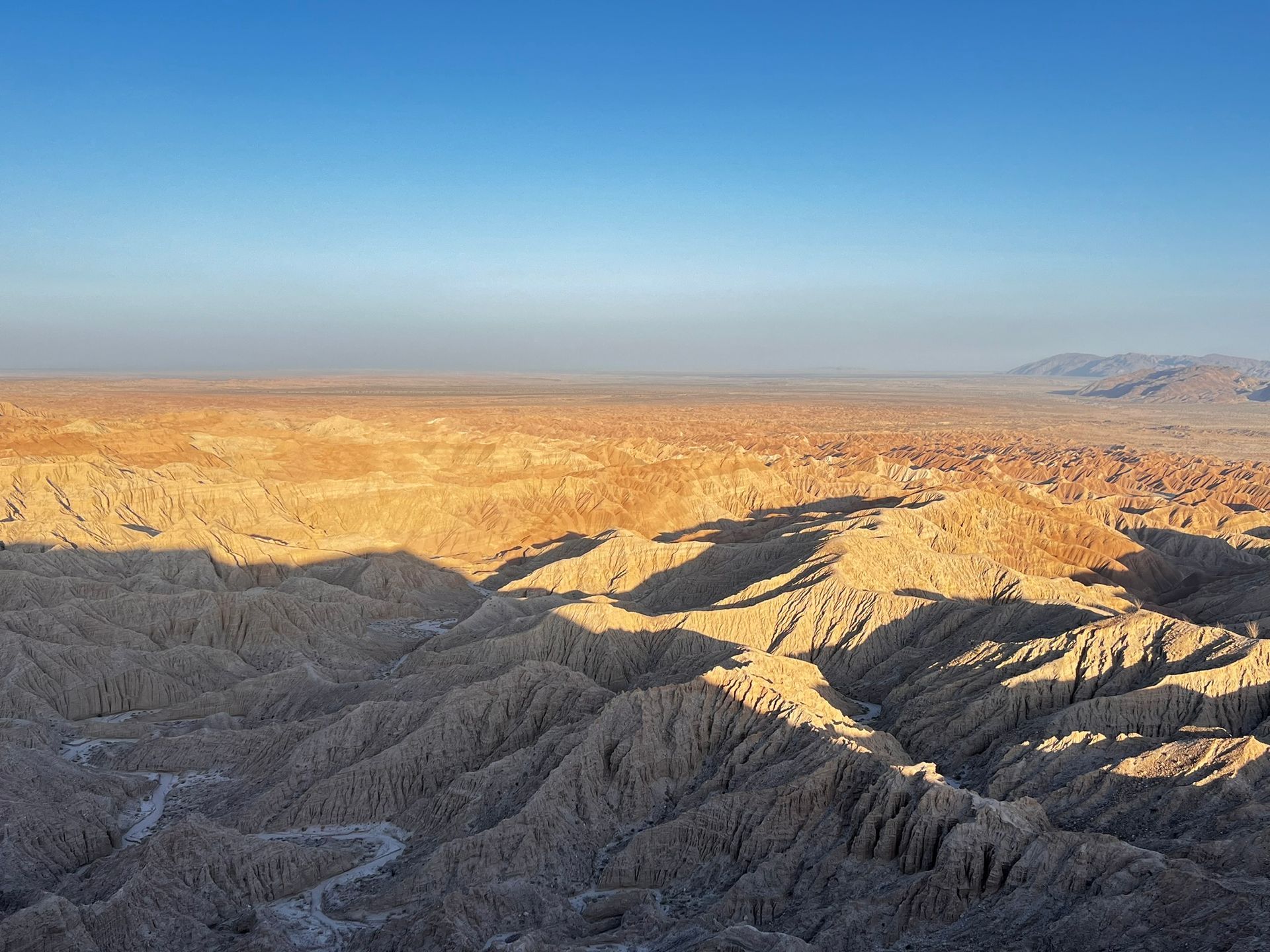
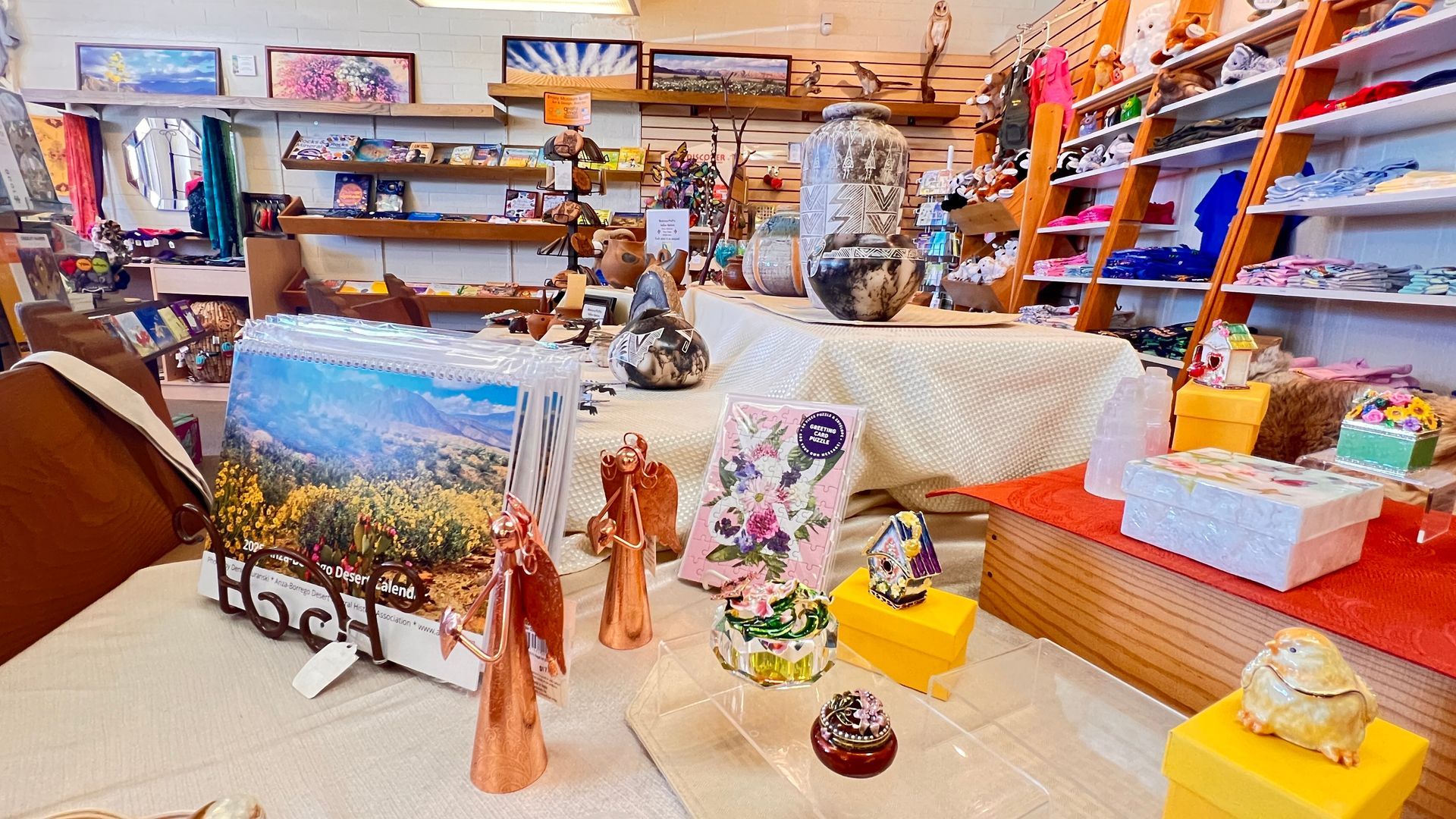
  • ABDNHA's Desert Nature Center, Gift Shop In Borrego Springs
    Slide title

    Write your caption here
    Button
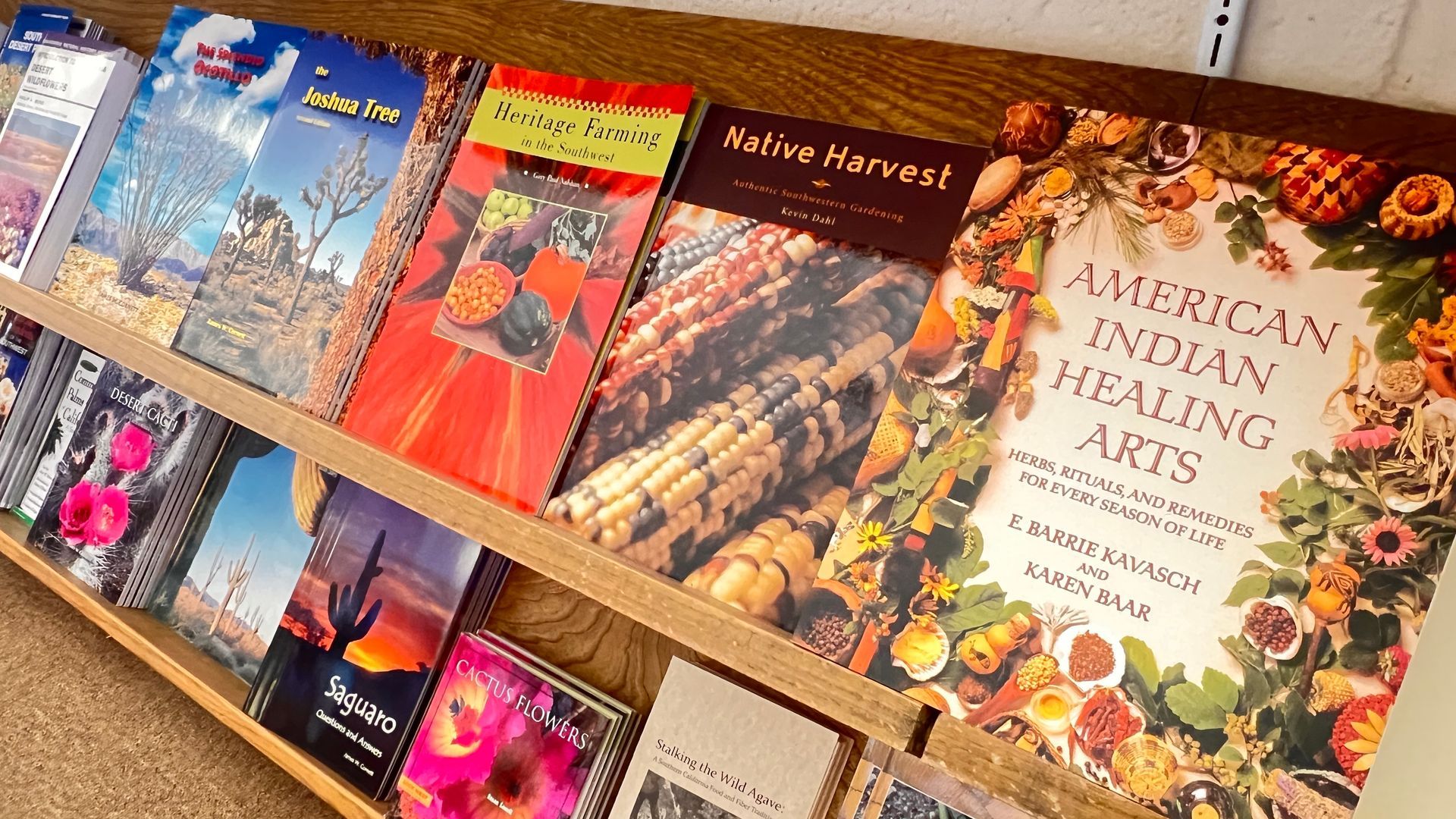
  • ABDNHA's Desert Nature Center, Gift Shop In Borrego Springs
    Slide title

    Write your caption here
    Button
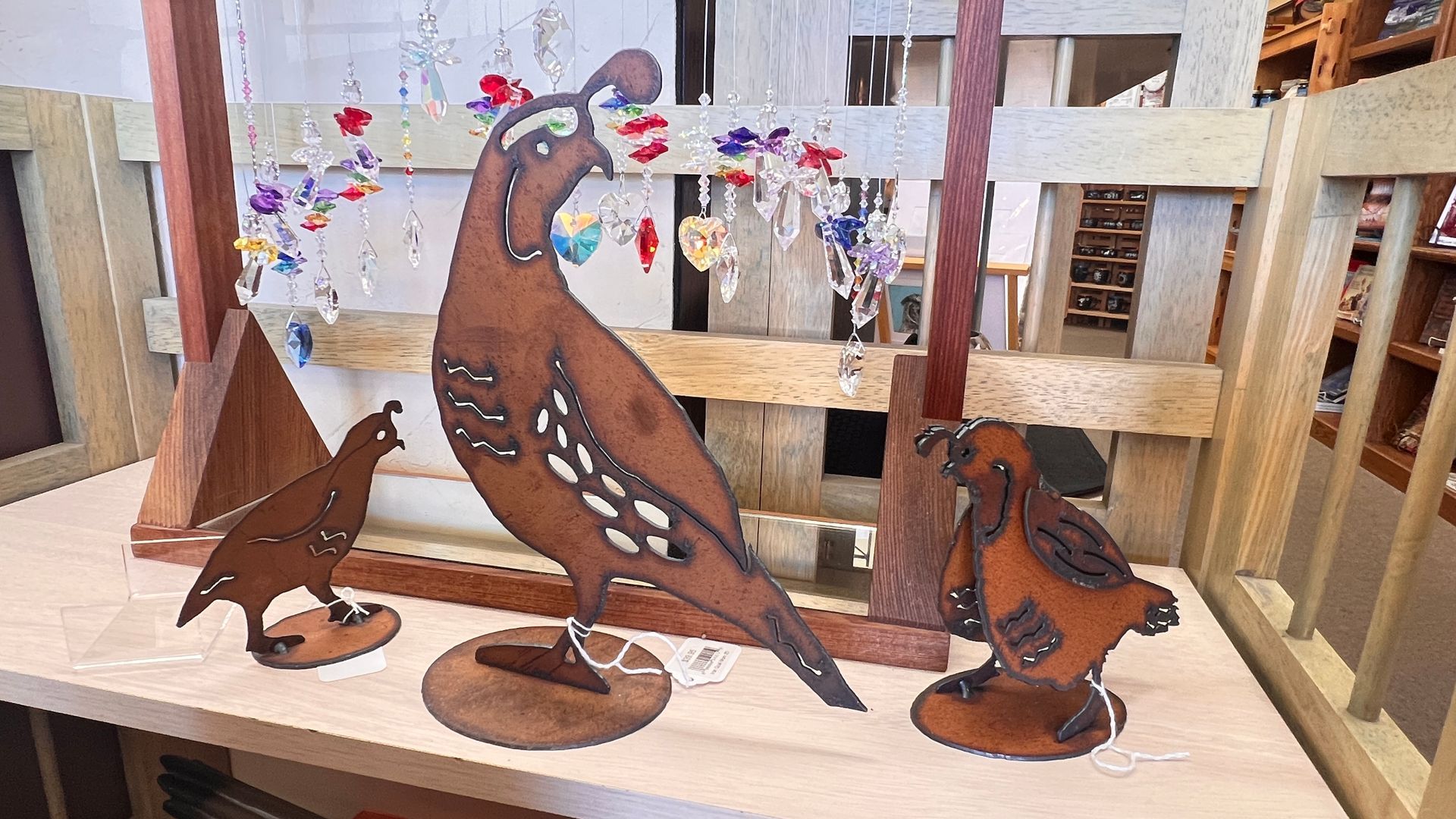
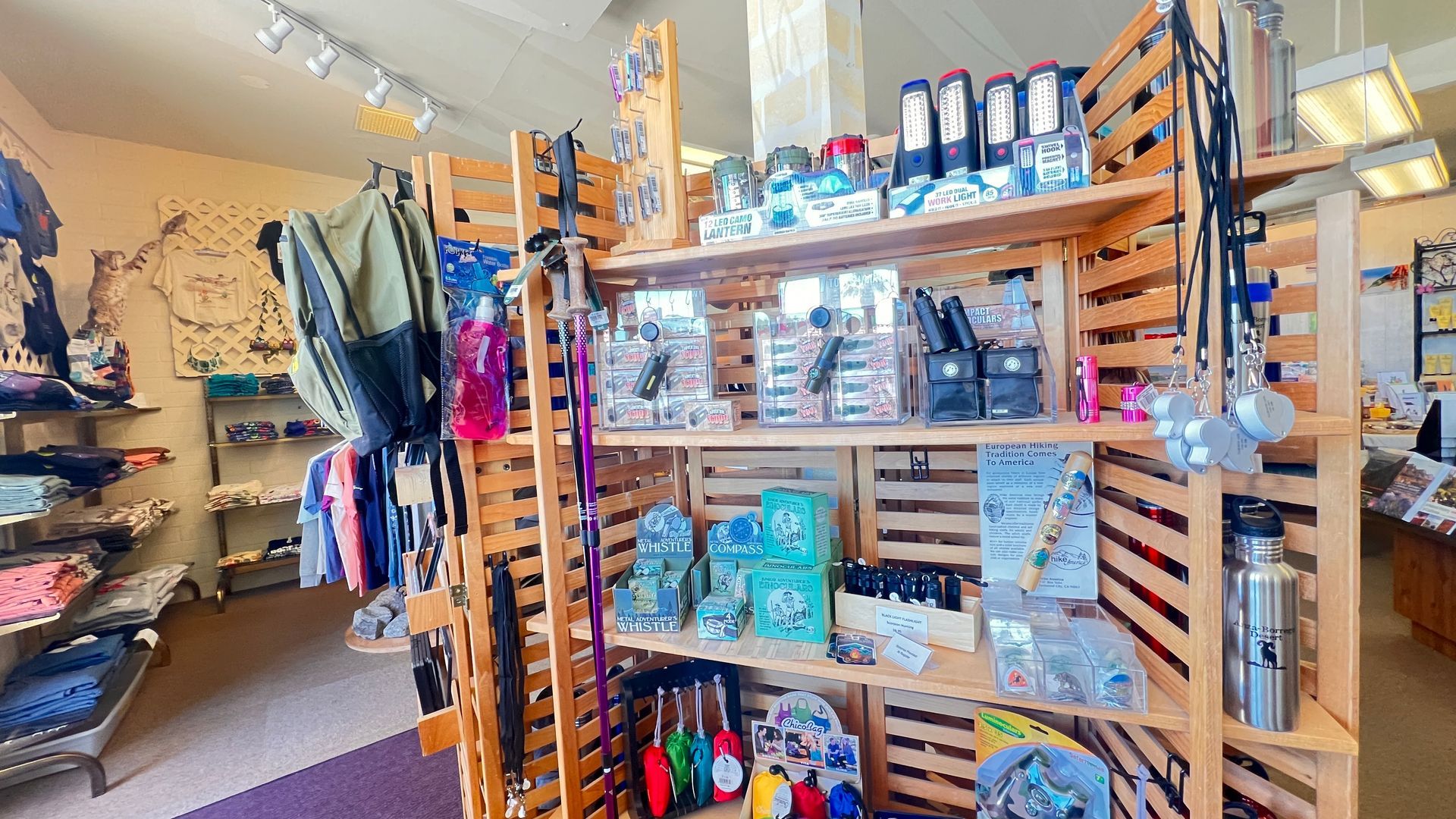
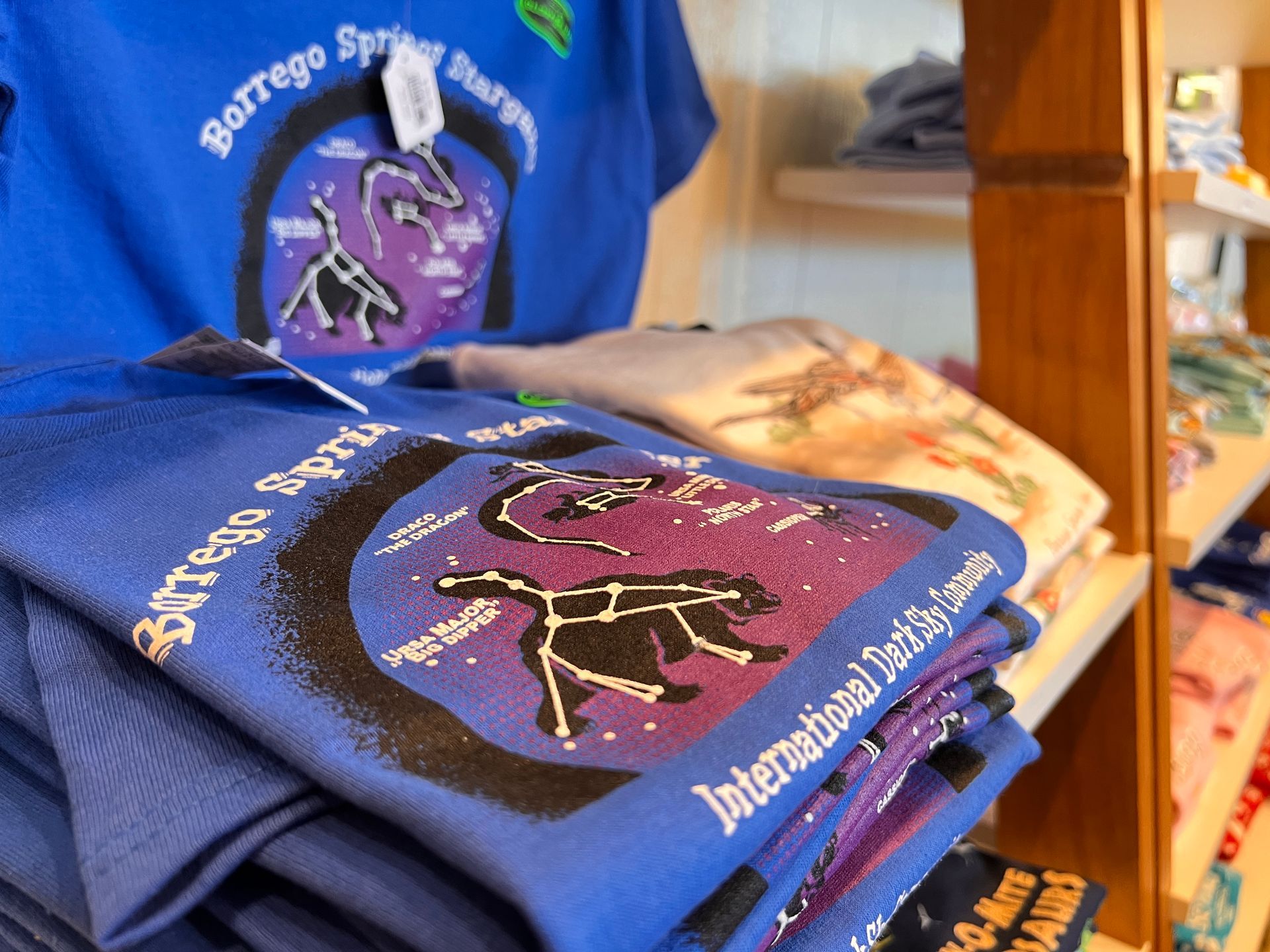
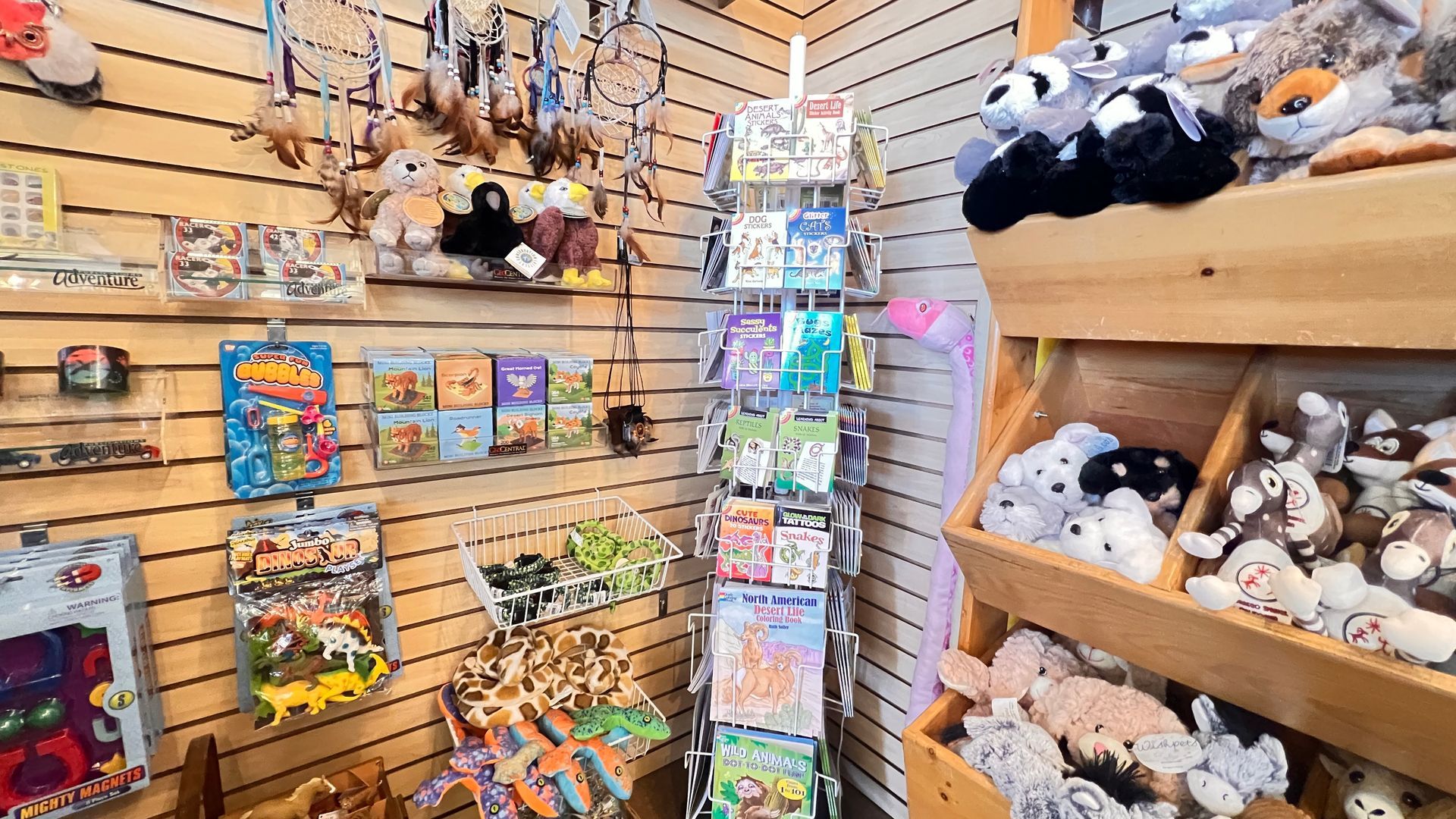
  • The Anza-Borrego Desert Natural History Association, gift shop products

    Slide title

    Write your caption here
    Button
  • ABDNHA's Desert Nature Center, Gift Shop In Borrego Springs
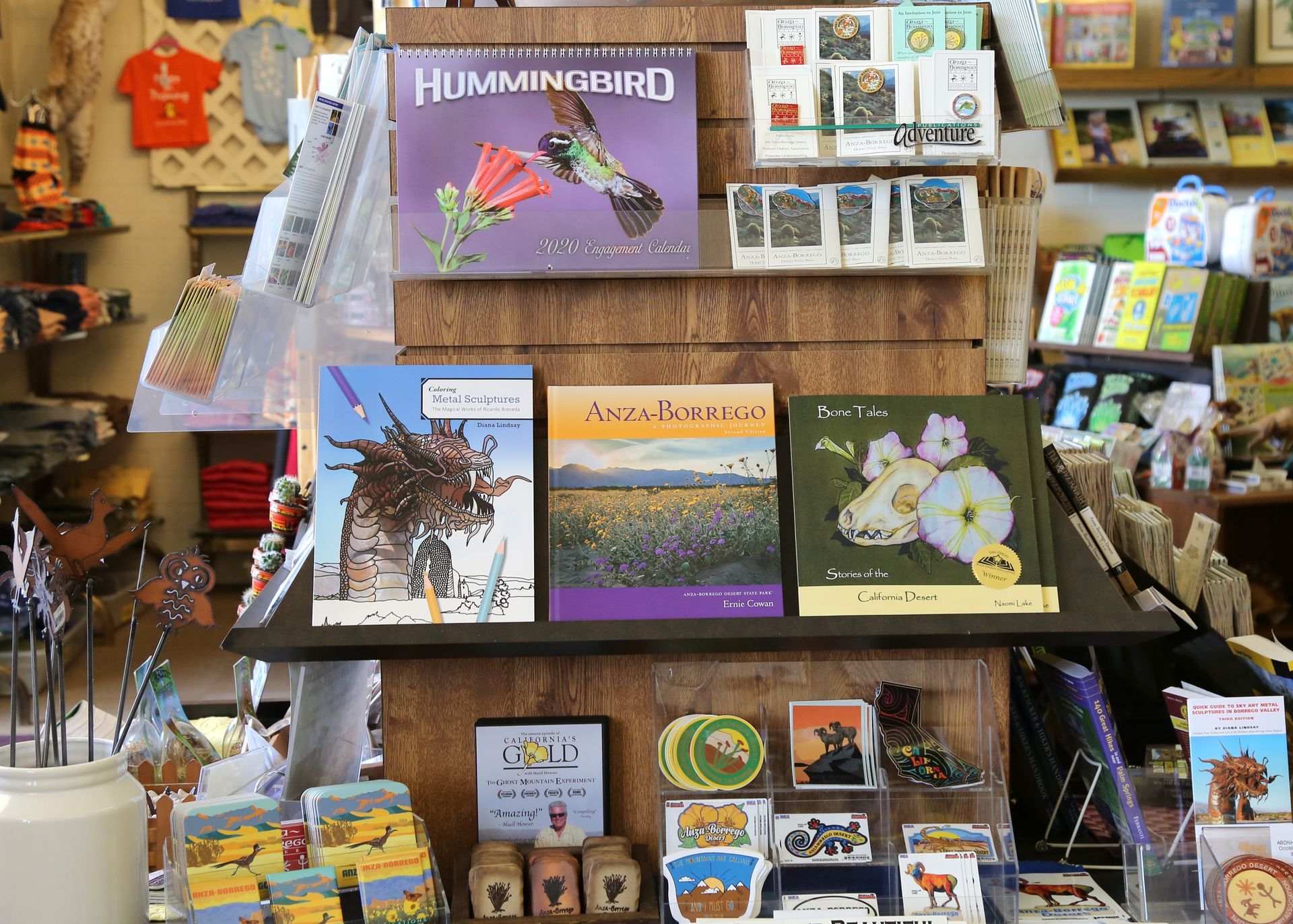
    Slide title

    Write your caption here
    Button
  • The Anza-Borrego Desert Natural History Association, gift shop stickers

    Slide title

    Write your caption here
    Button
  • ABDNHA's Desert Nature Center, Gift Shop In Borrego Springs
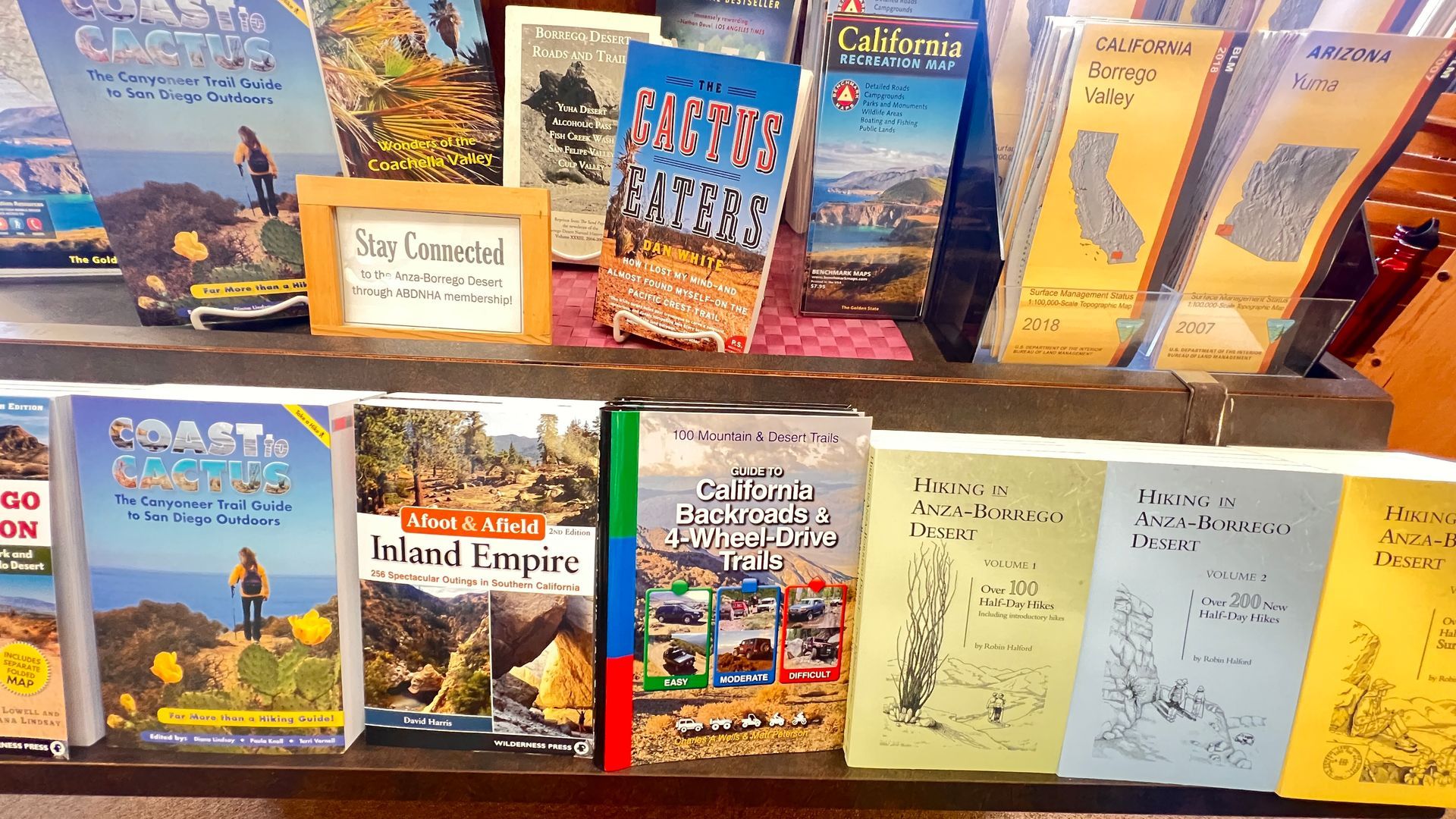
    Slide title

    Write your caption here
    Button
  • ABDNHA's Desert Nature Center, Gift Shop In Borrego Springs
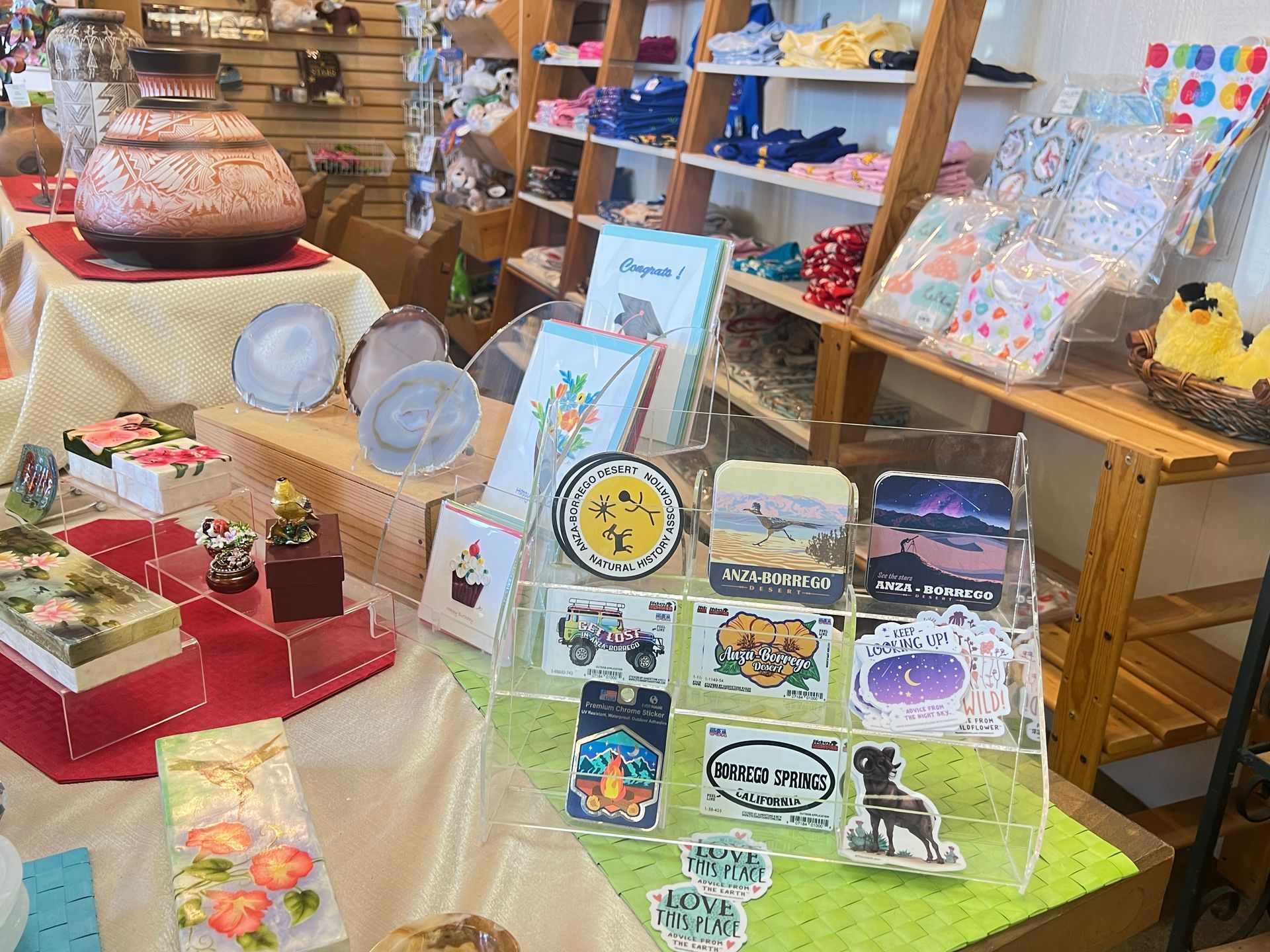
    Slide title

    Write your caption here
    Button
  • Slide title

    Write your caption here
    Button
  • The Anza-Borrego Desert Natural History Association, gift shop, coffee cups

    Slide title

    Write your caption here
    Button
  • ABDNHA's Desert Nature Center, Gift Shop In Borrego Springs
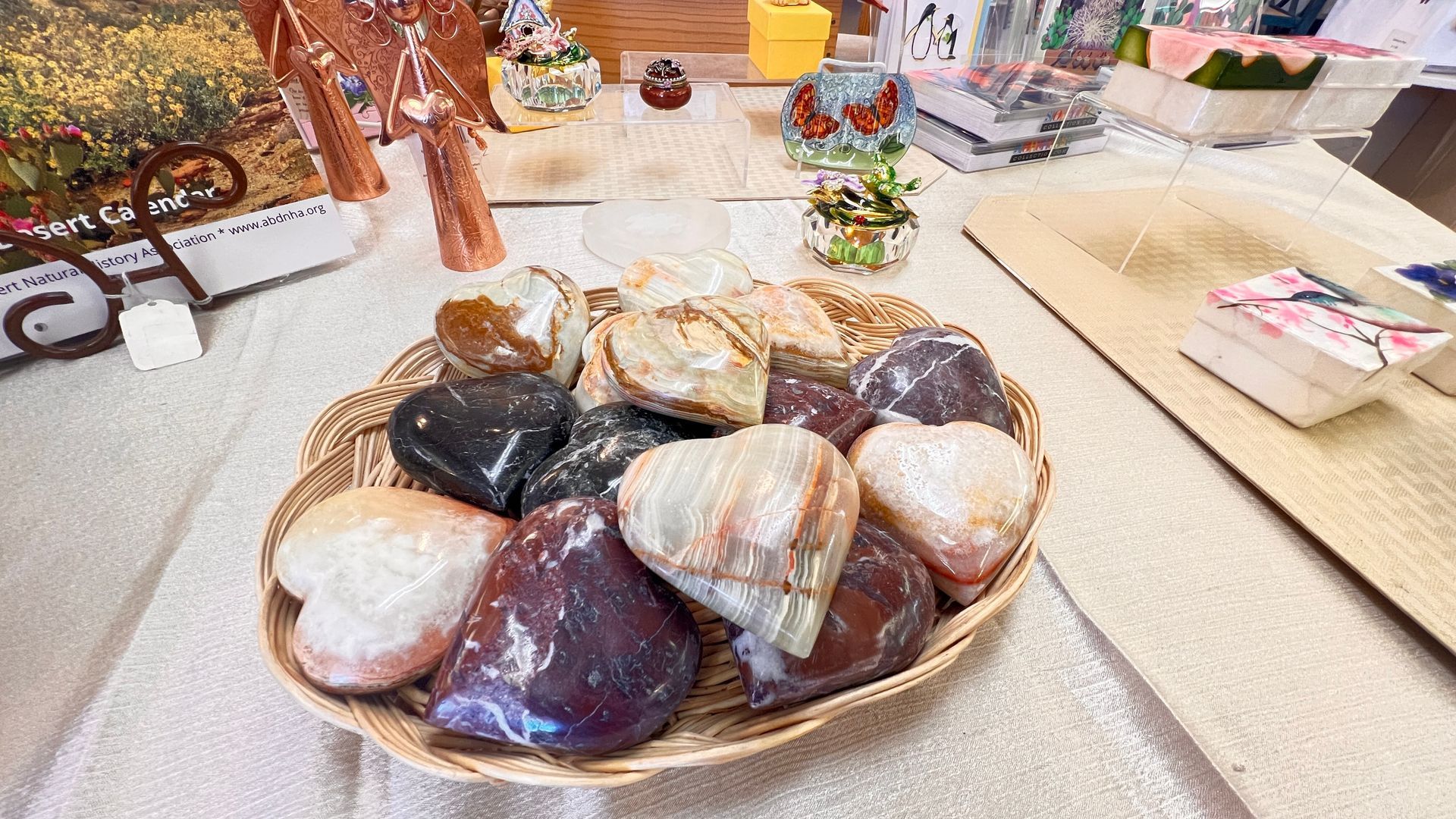
    Slide title

    Write your caption here
    Button
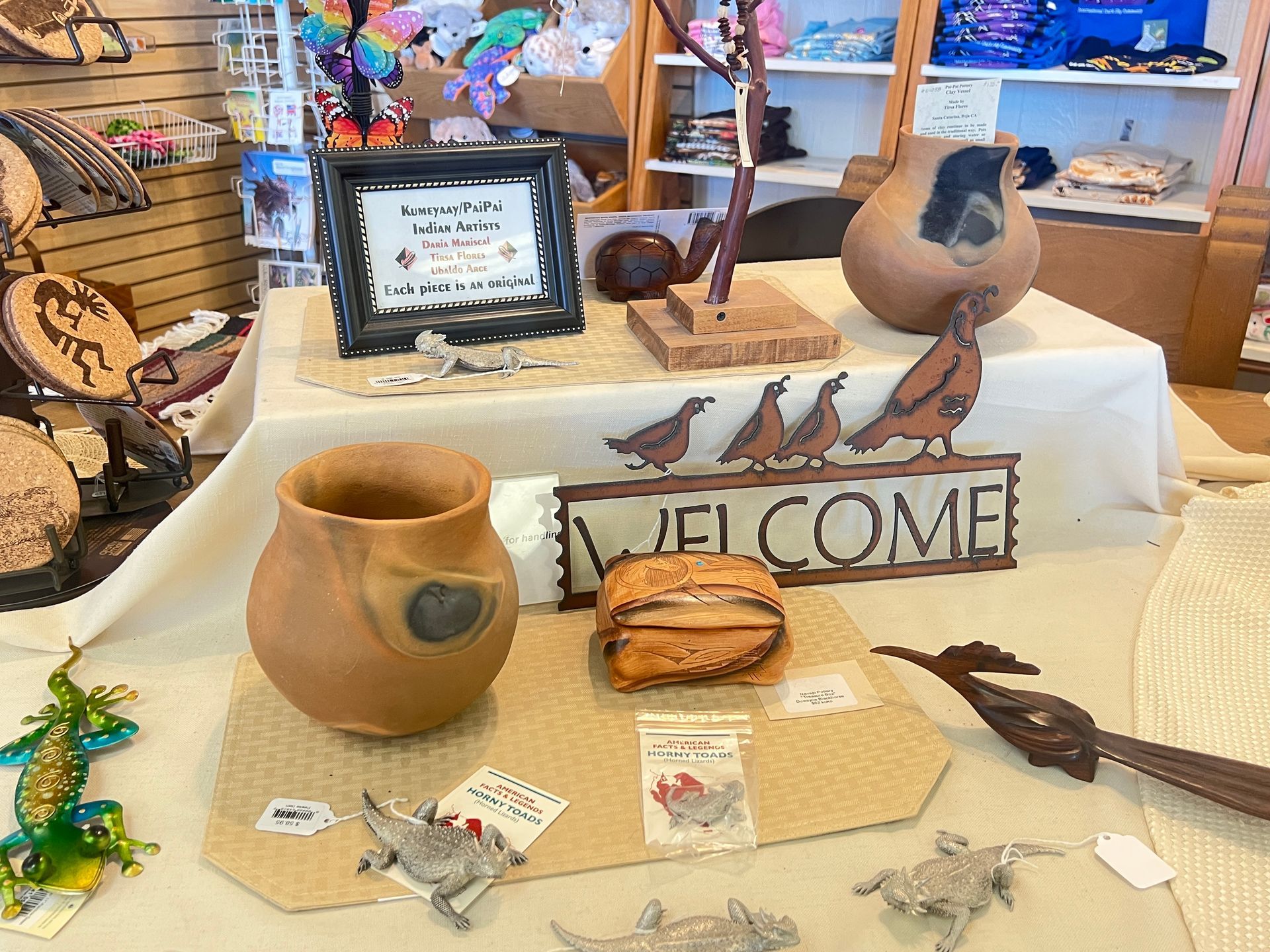
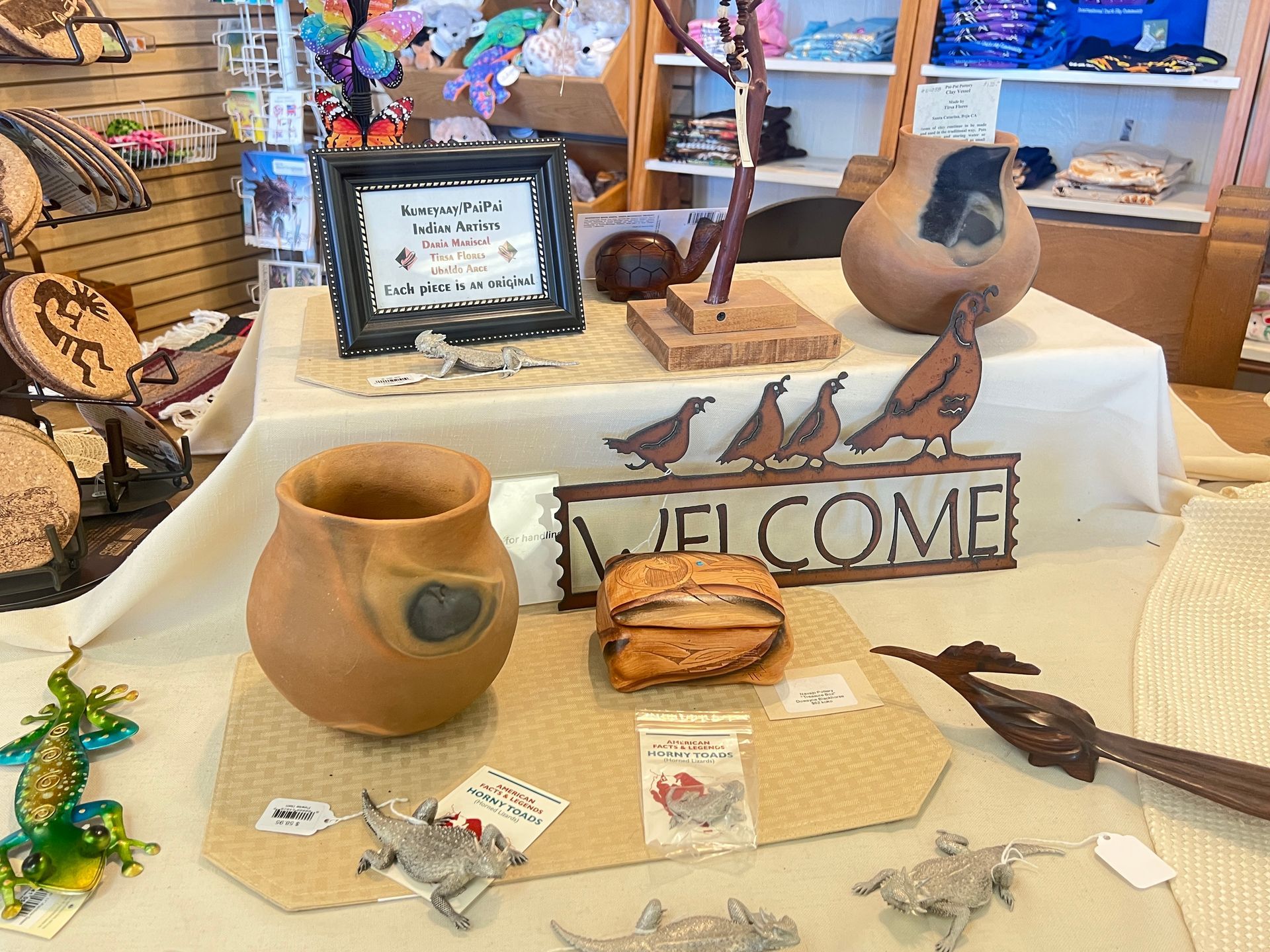
  • The Anza-Borrego Desert Natural History Association, gift shop, pottery

    Slide title

    Write your caption here
    Button
  • ABDNHA's Desert Nature Center, Gift Shop In Borrego Springs
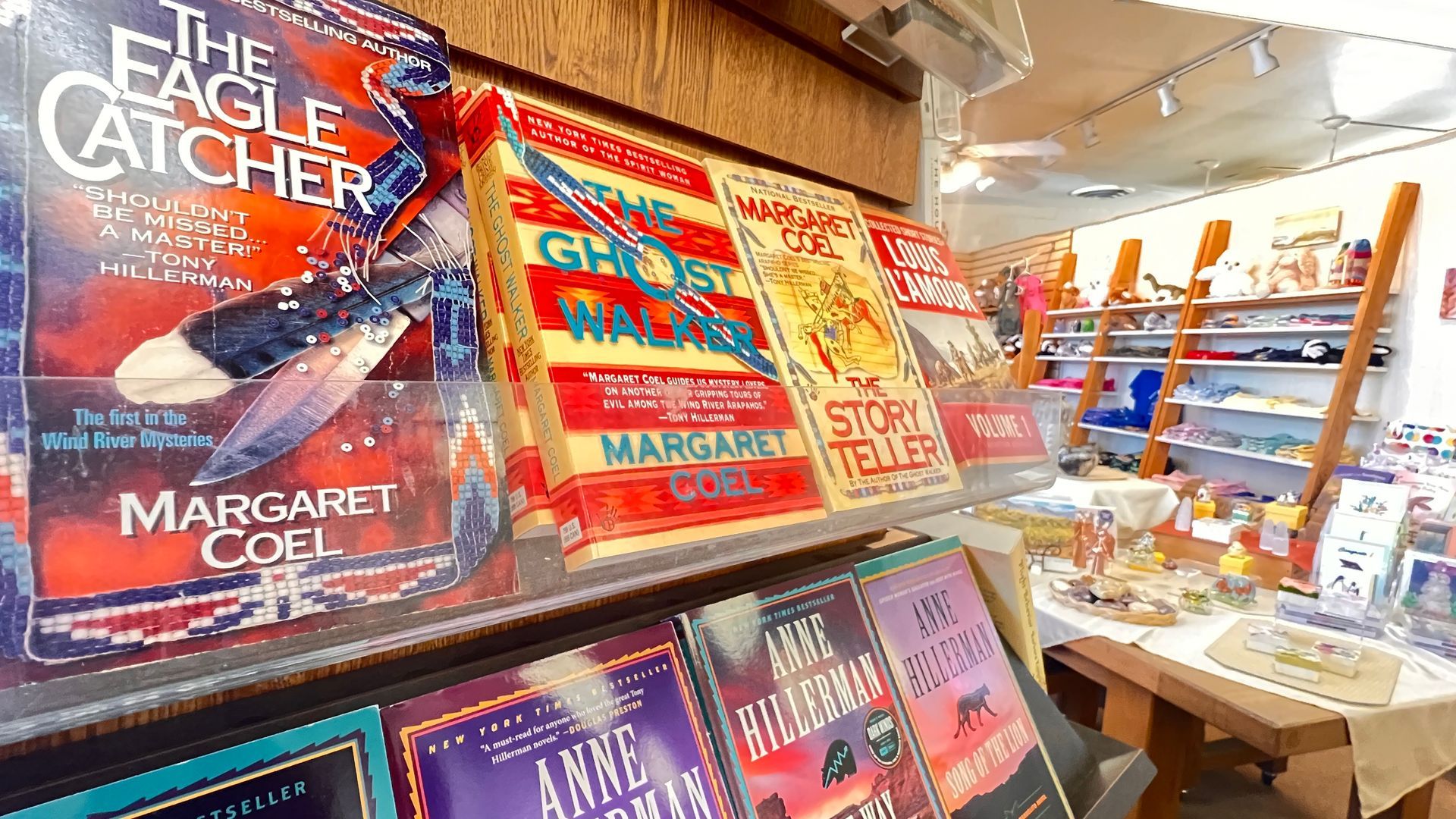
    Slide title

    Write your caption here
    Button
  • ABDNHA's Desert Nature Center, Gift Shop In Borrego Springs
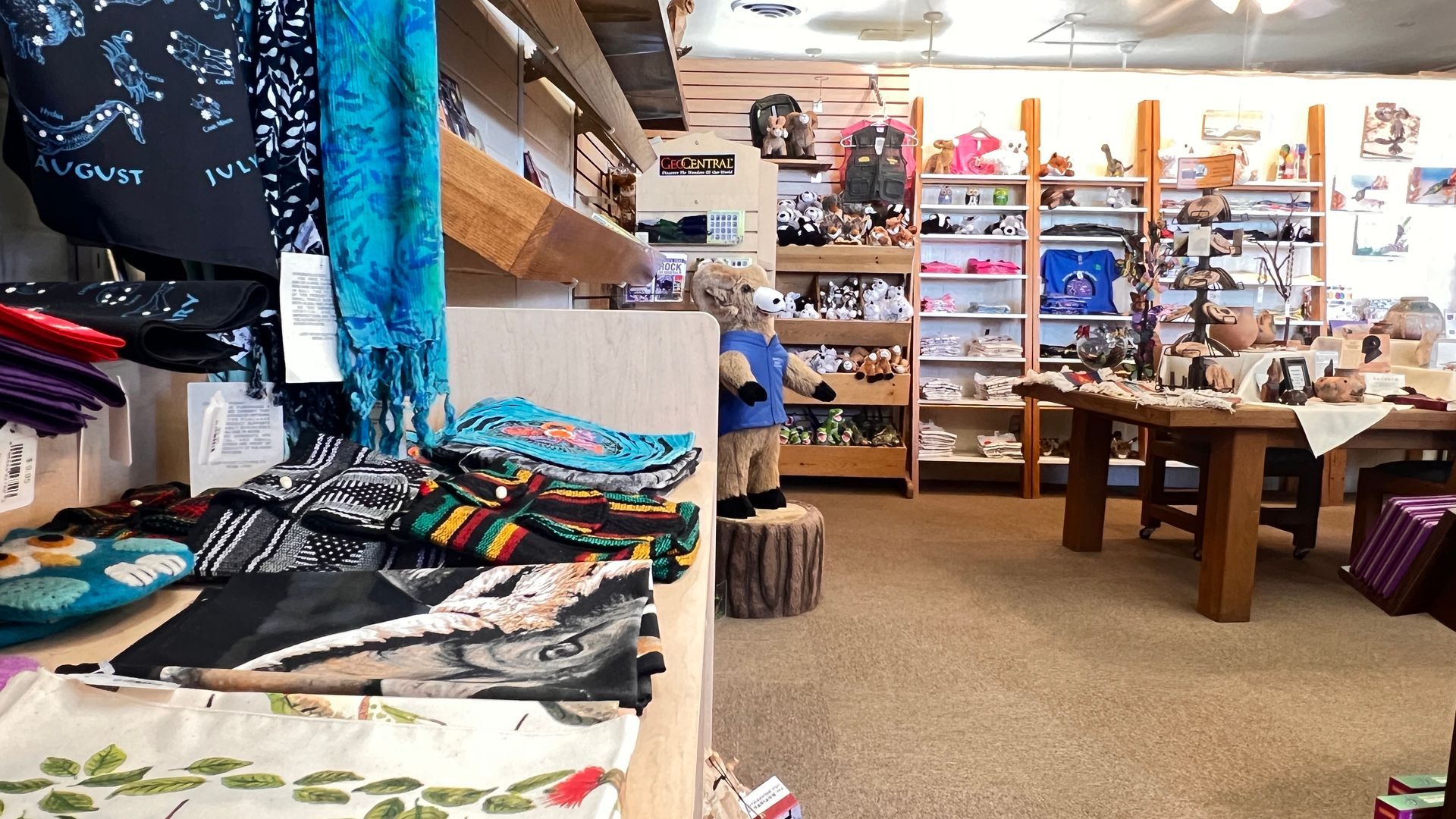
    Slide title

    Write your caption here
    Button
  • ABDNHA's Desert Nature Center, Gift Shop In Borrego Springs
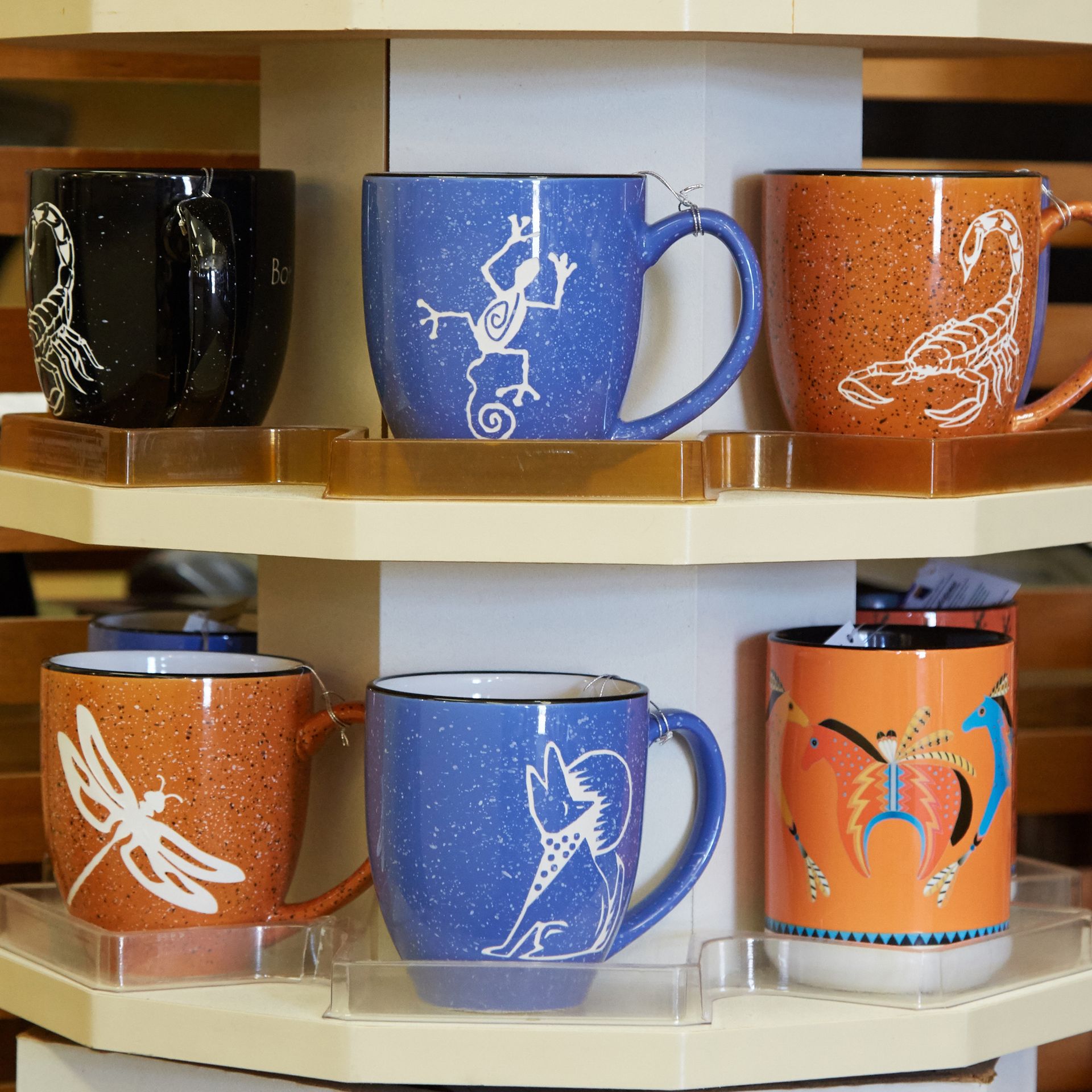
    Slide title

    Write your caption here
    Button
Shop ABDNHA Online

Support the Borrego Springs Community Concert Association's mission to educate and entertain through eclectic musical events. Your tax-deductible donations fund concerts for the community and local schools, sustaining the arts in Borrego Springs since 1975. 501c3 Non-Profit Corporation.


Shop ABDNHA Online

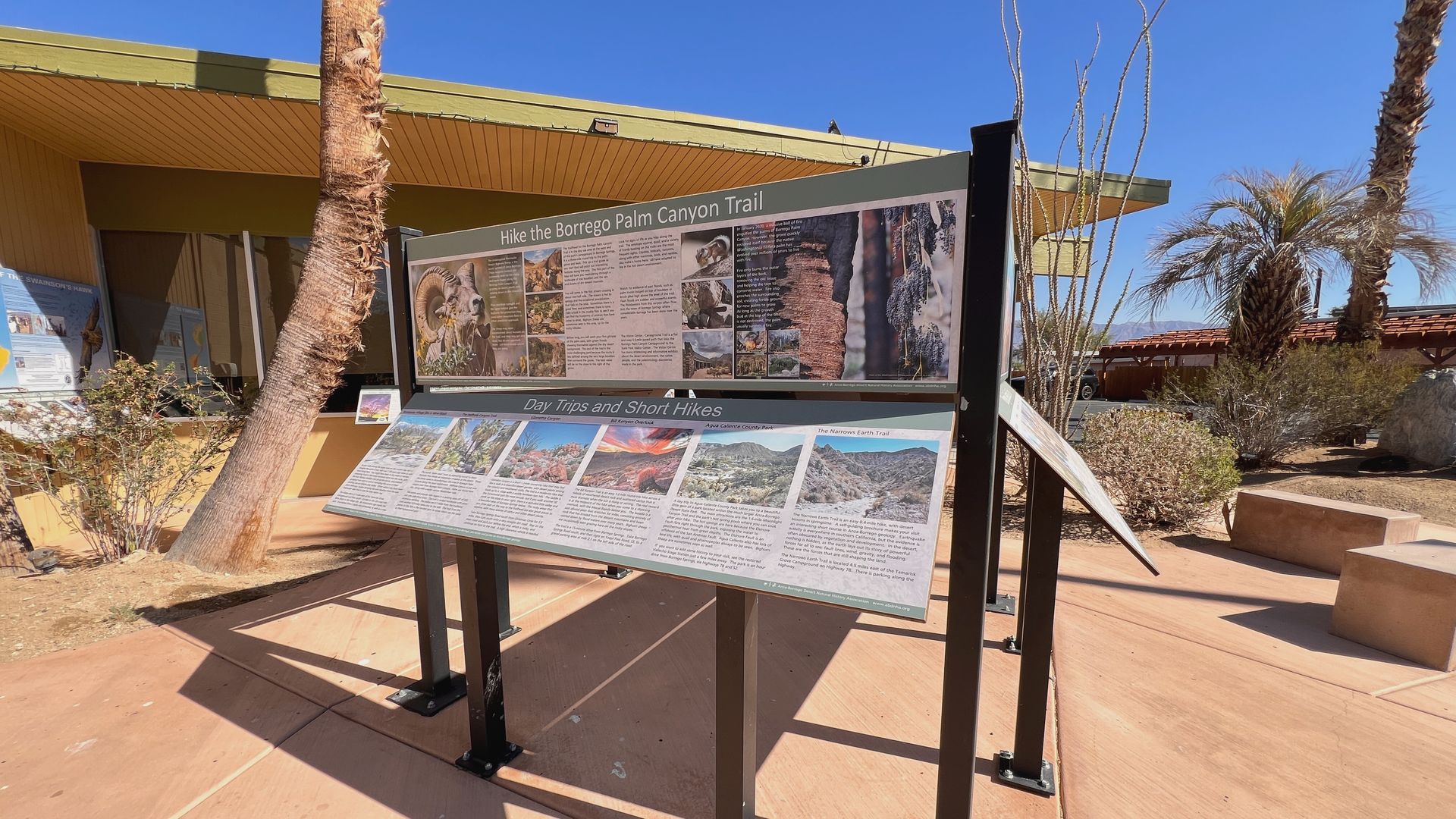
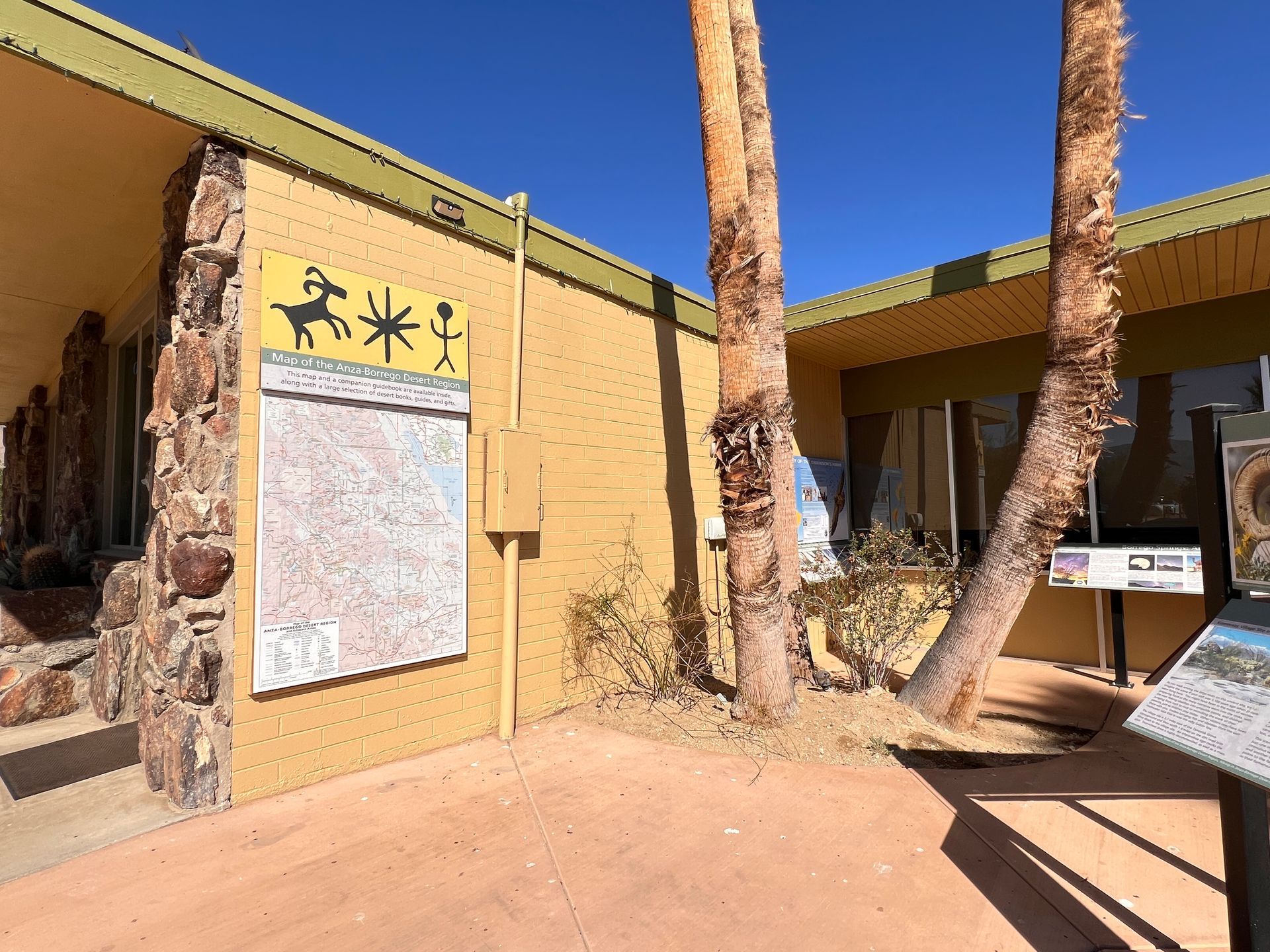
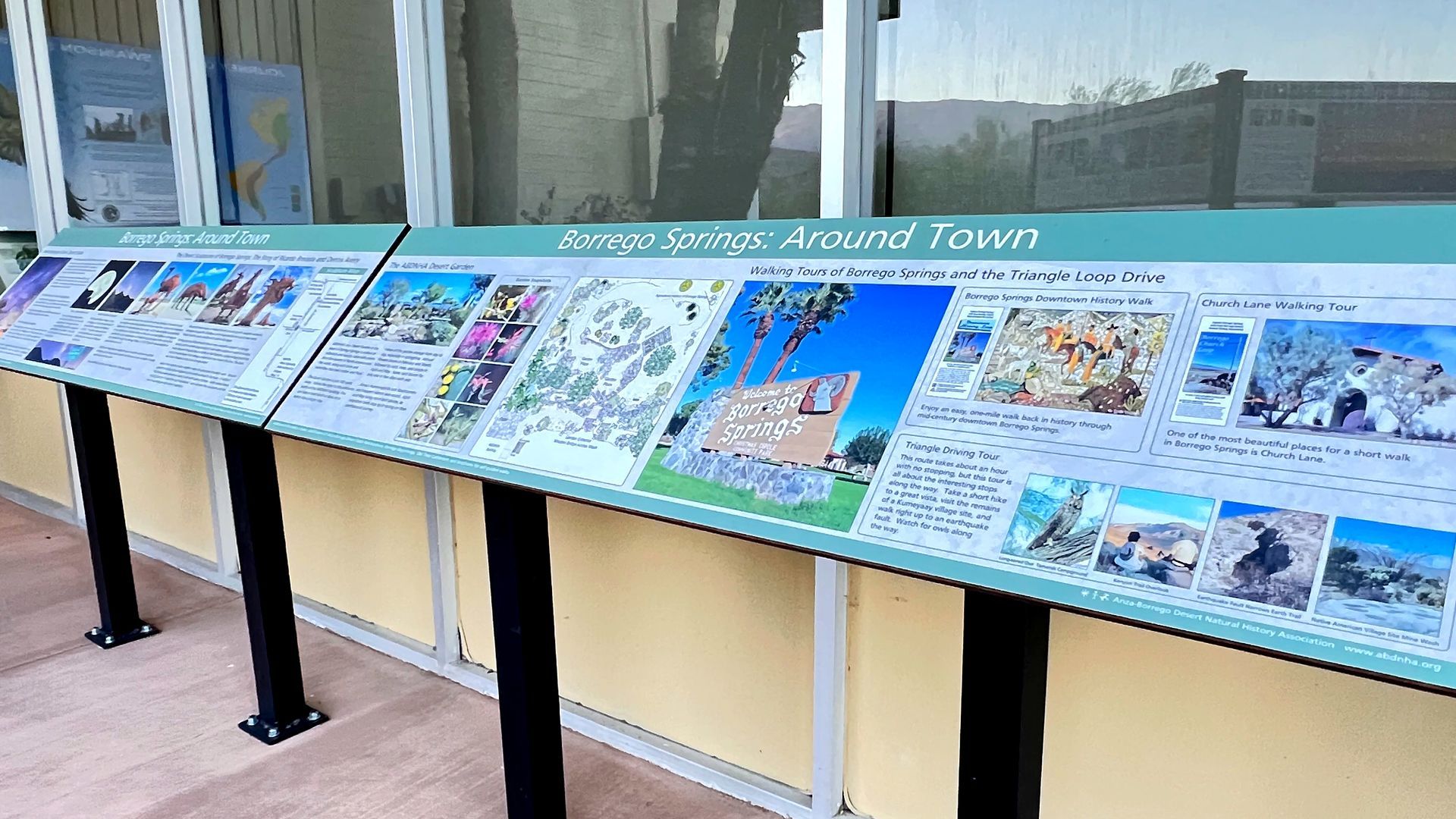
ABDNHA Visitor Plaza

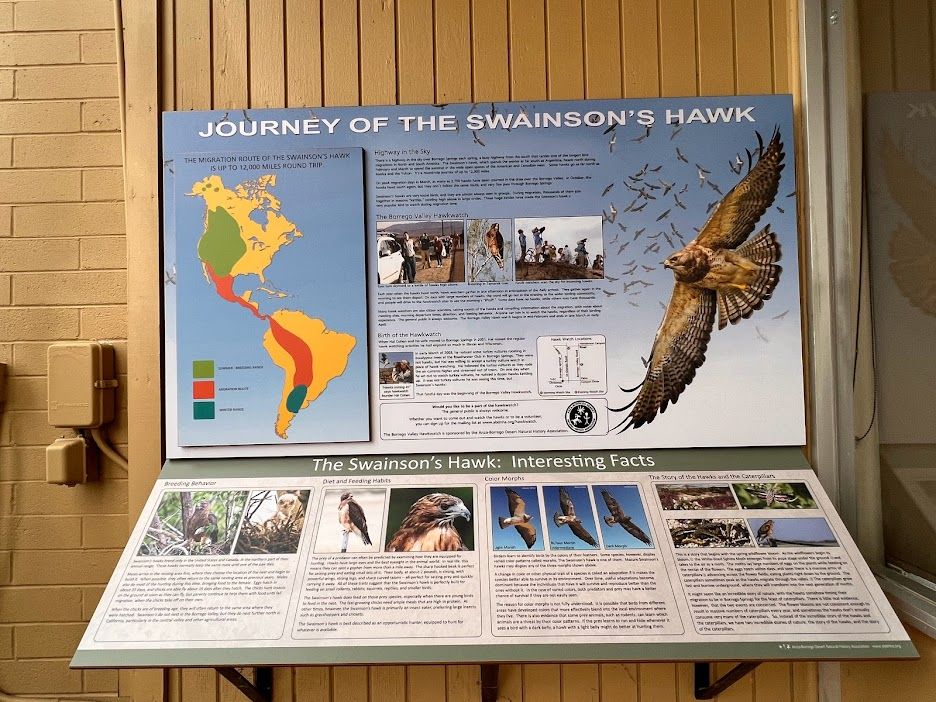
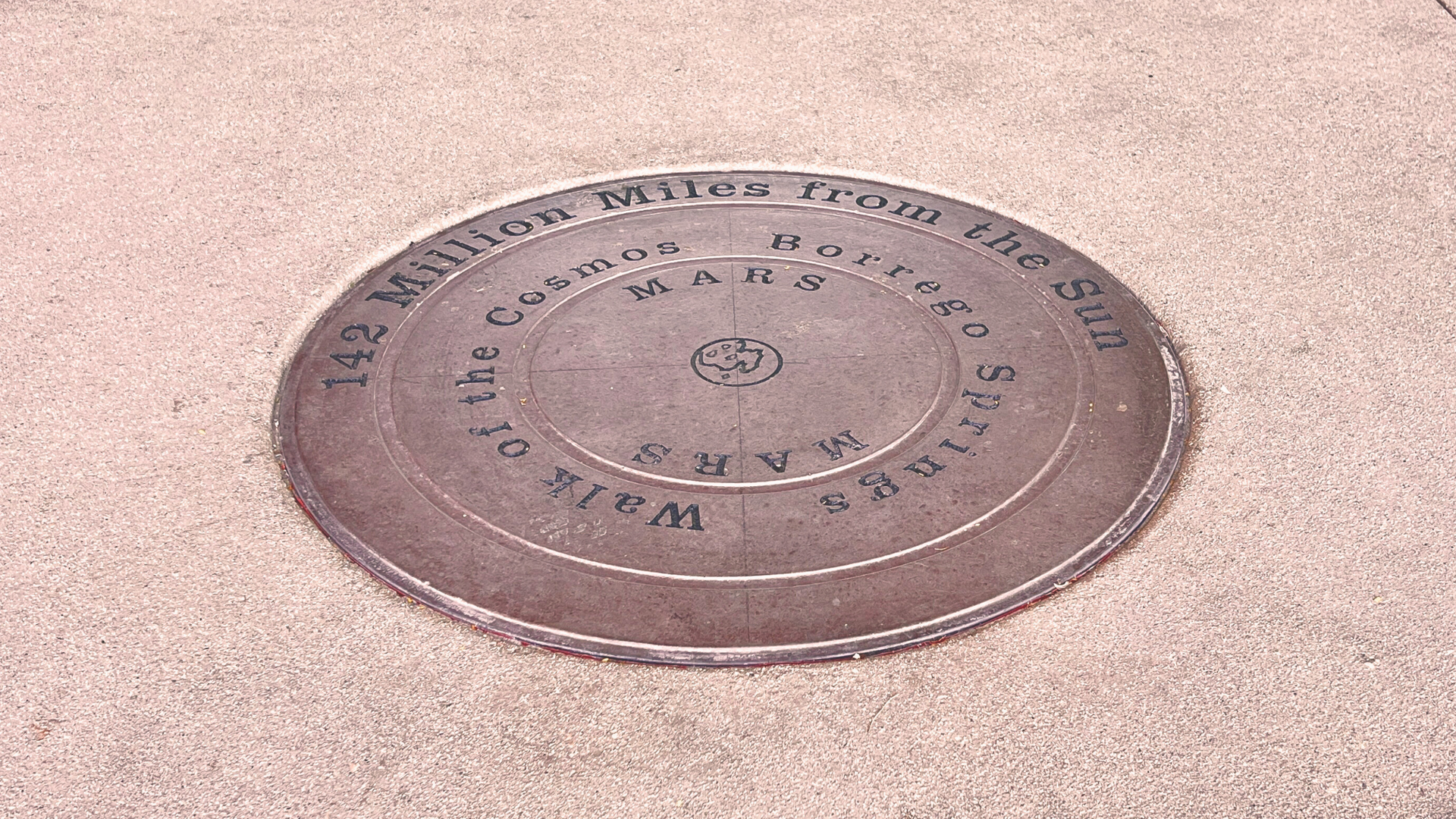
Take a leisurely walk around the building for enriching lessons on the area's history, geology, and wildlife, enhancing your Anza-Borrego Desert experience.
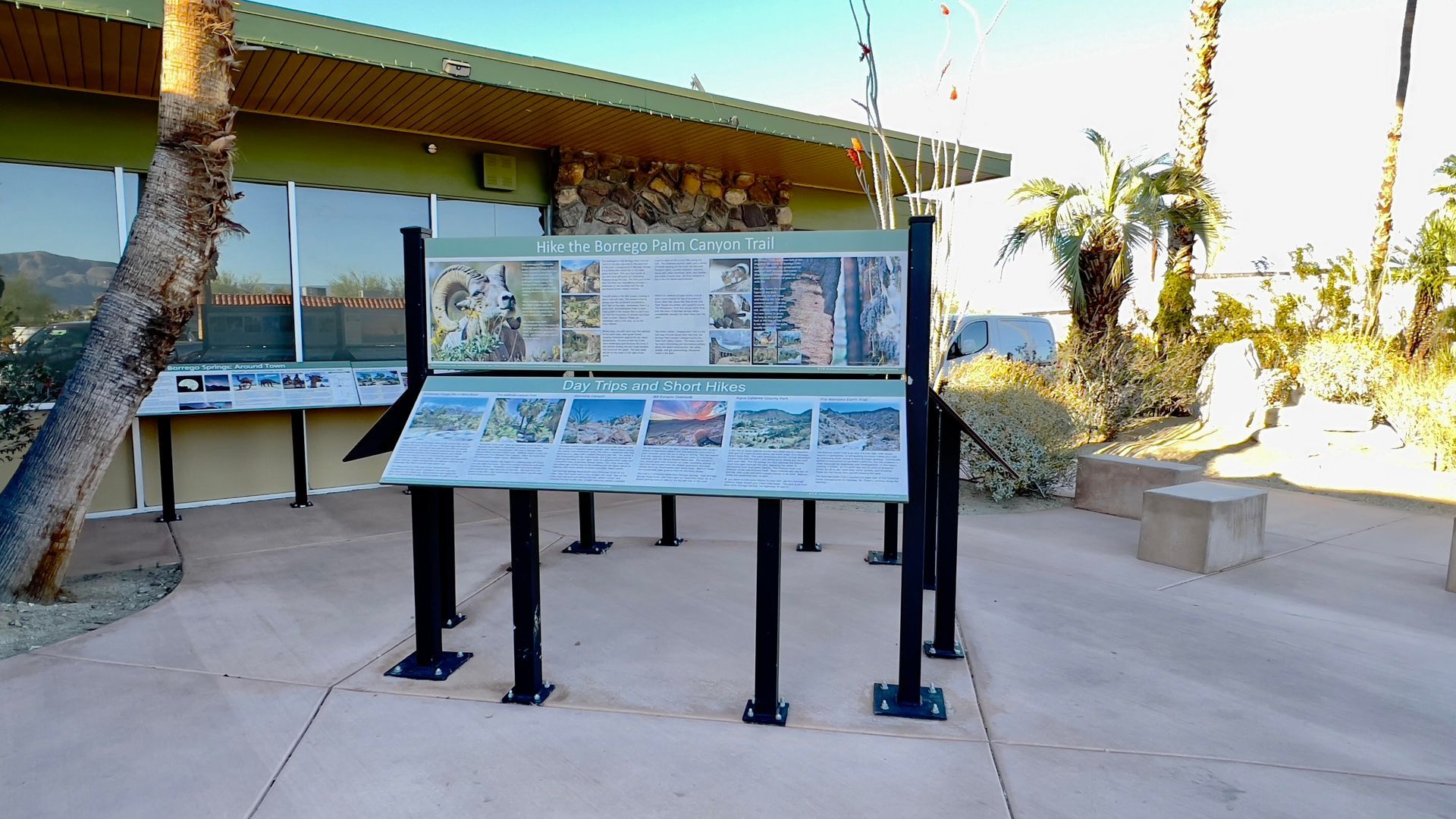
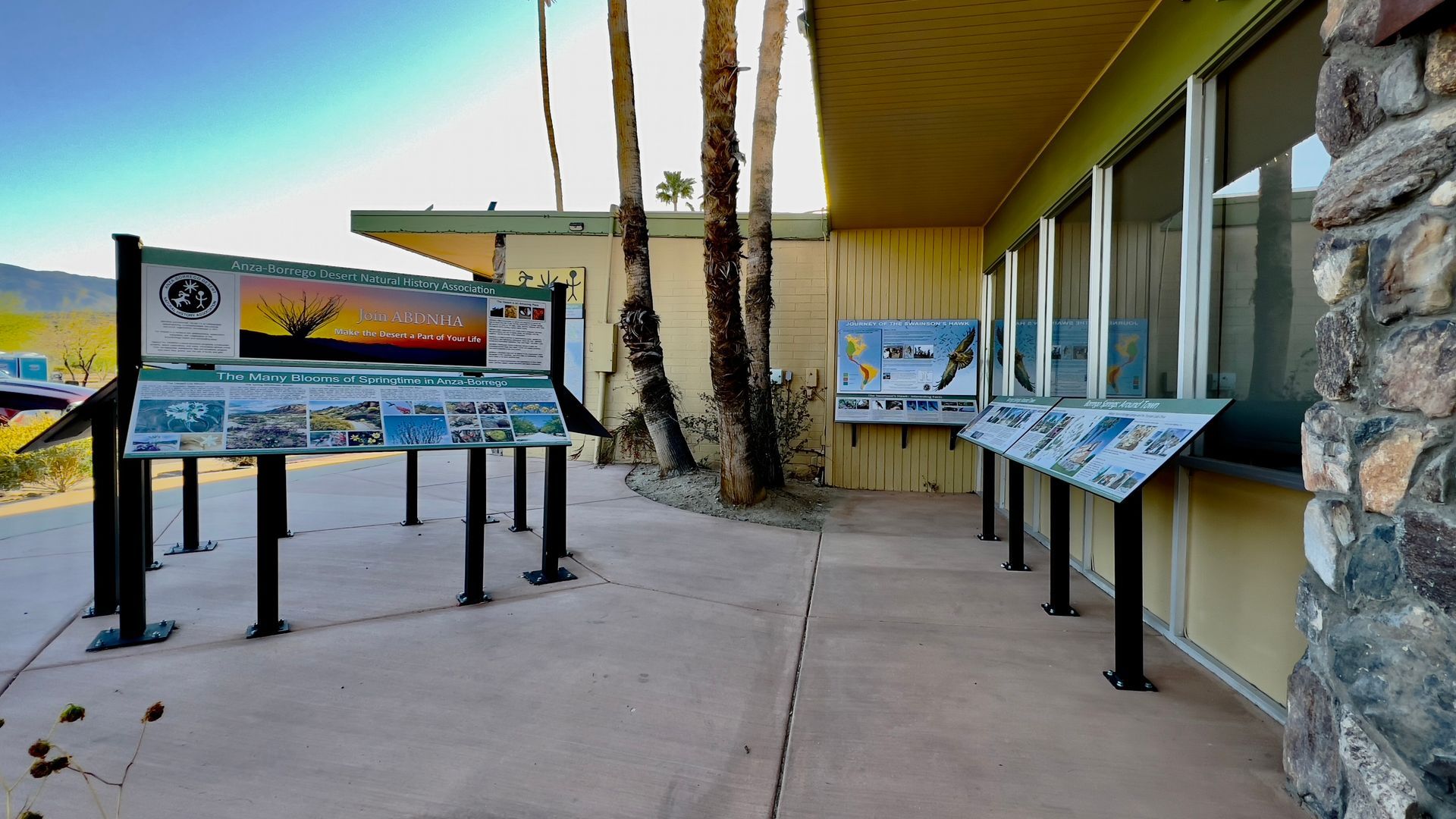
ABDNHA OUTSIDE

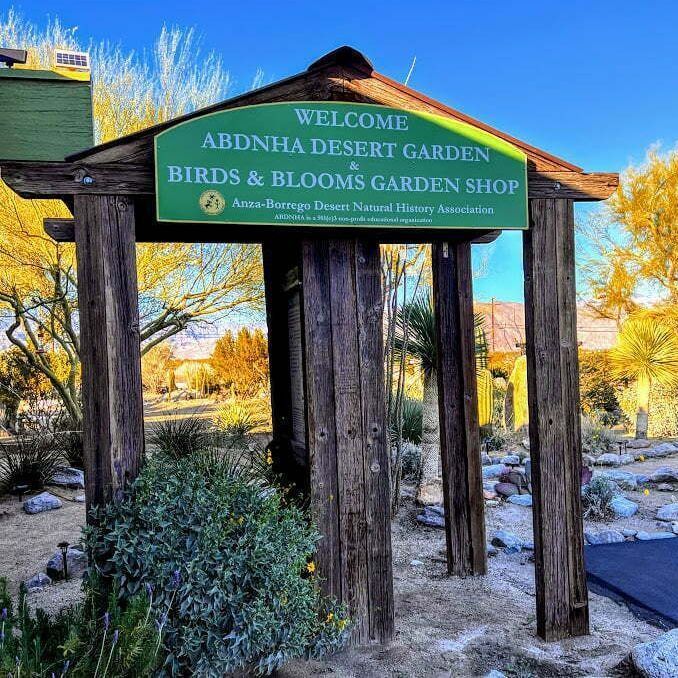
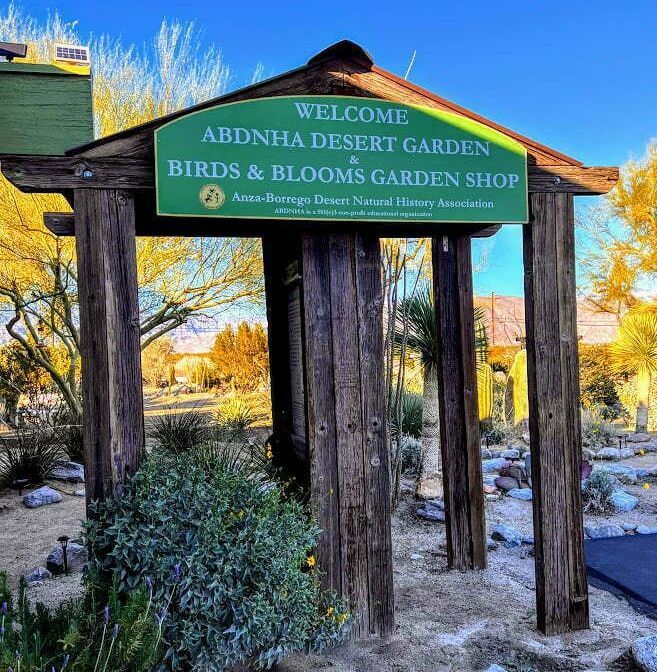
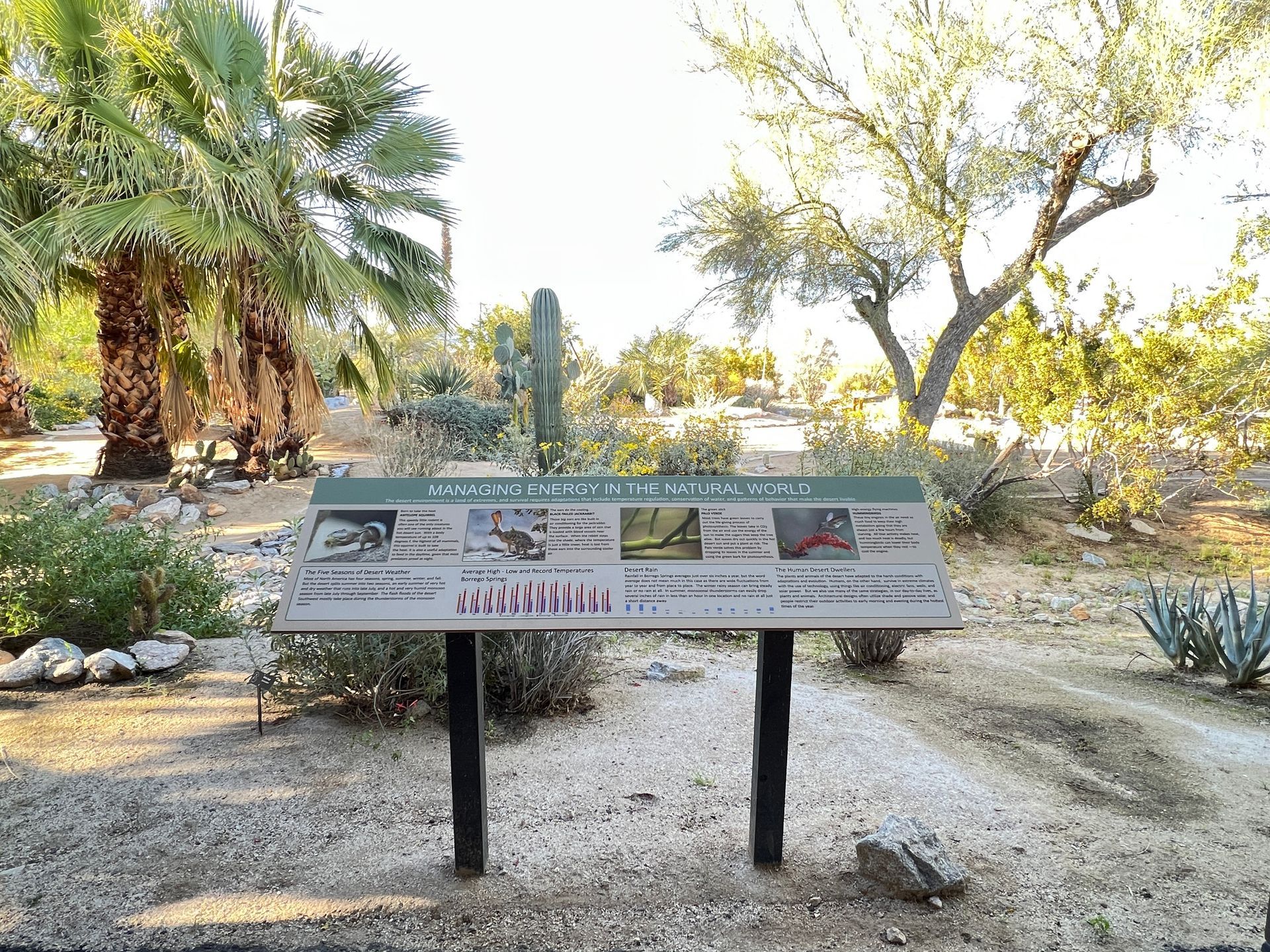
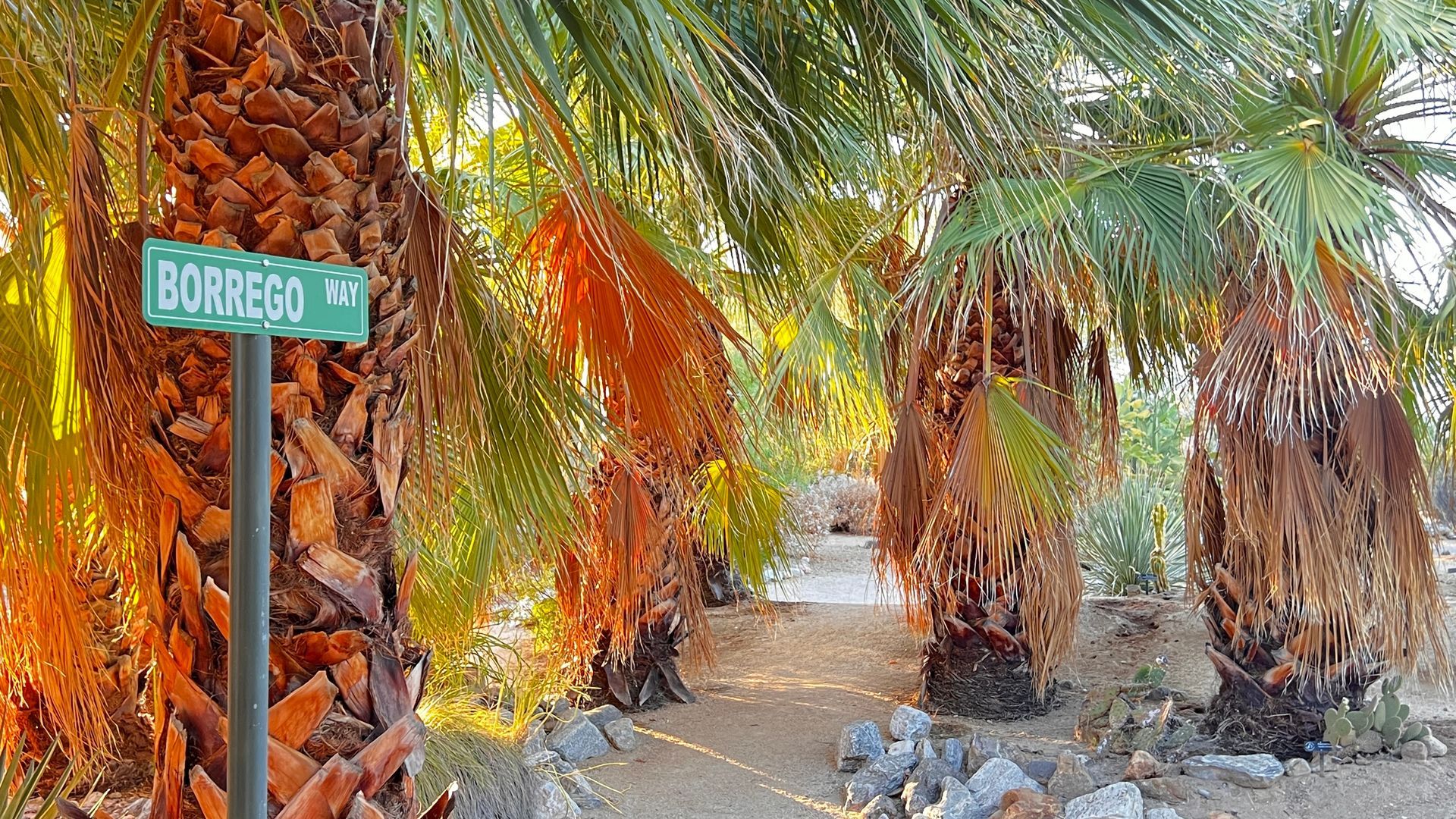
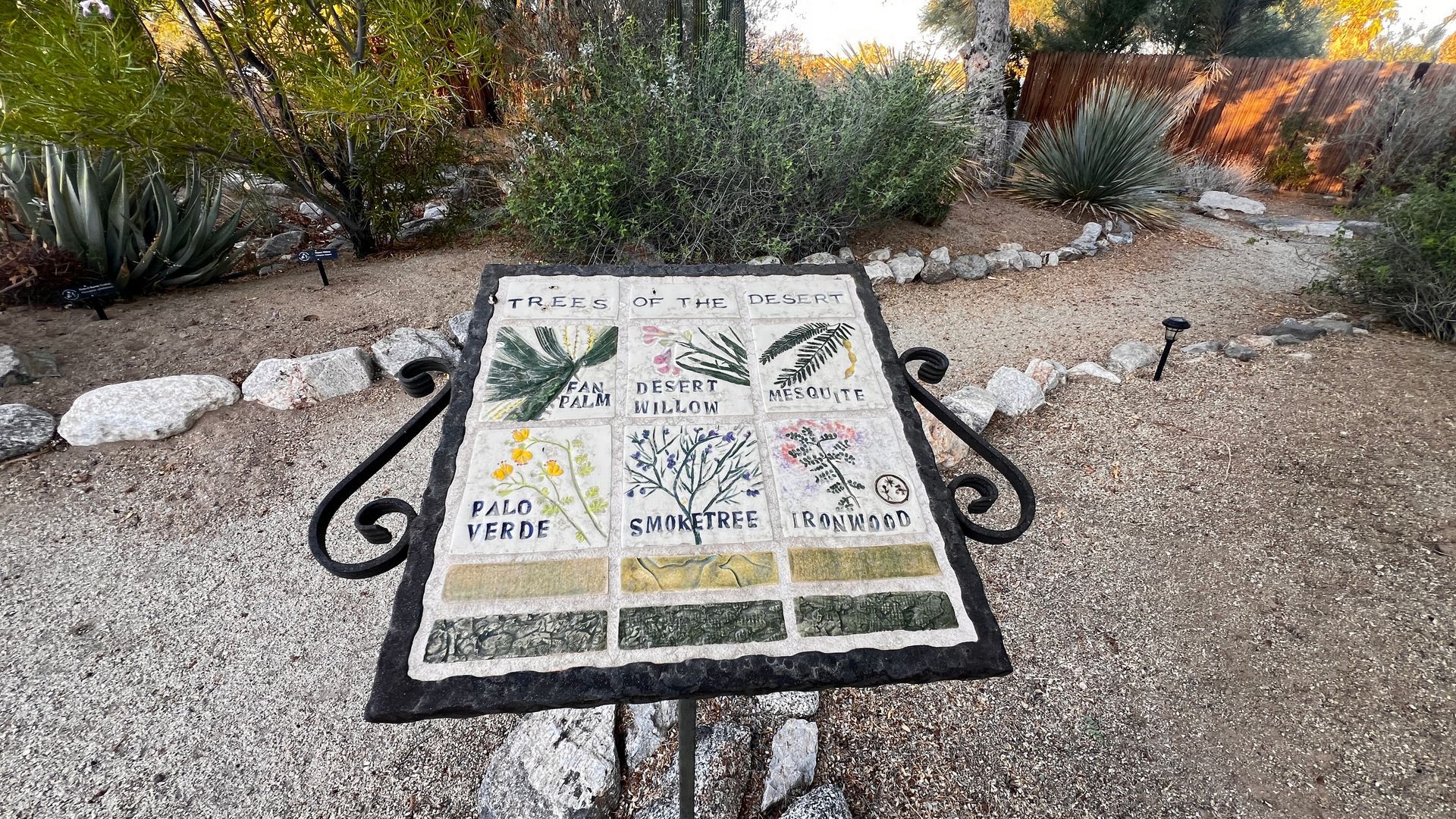
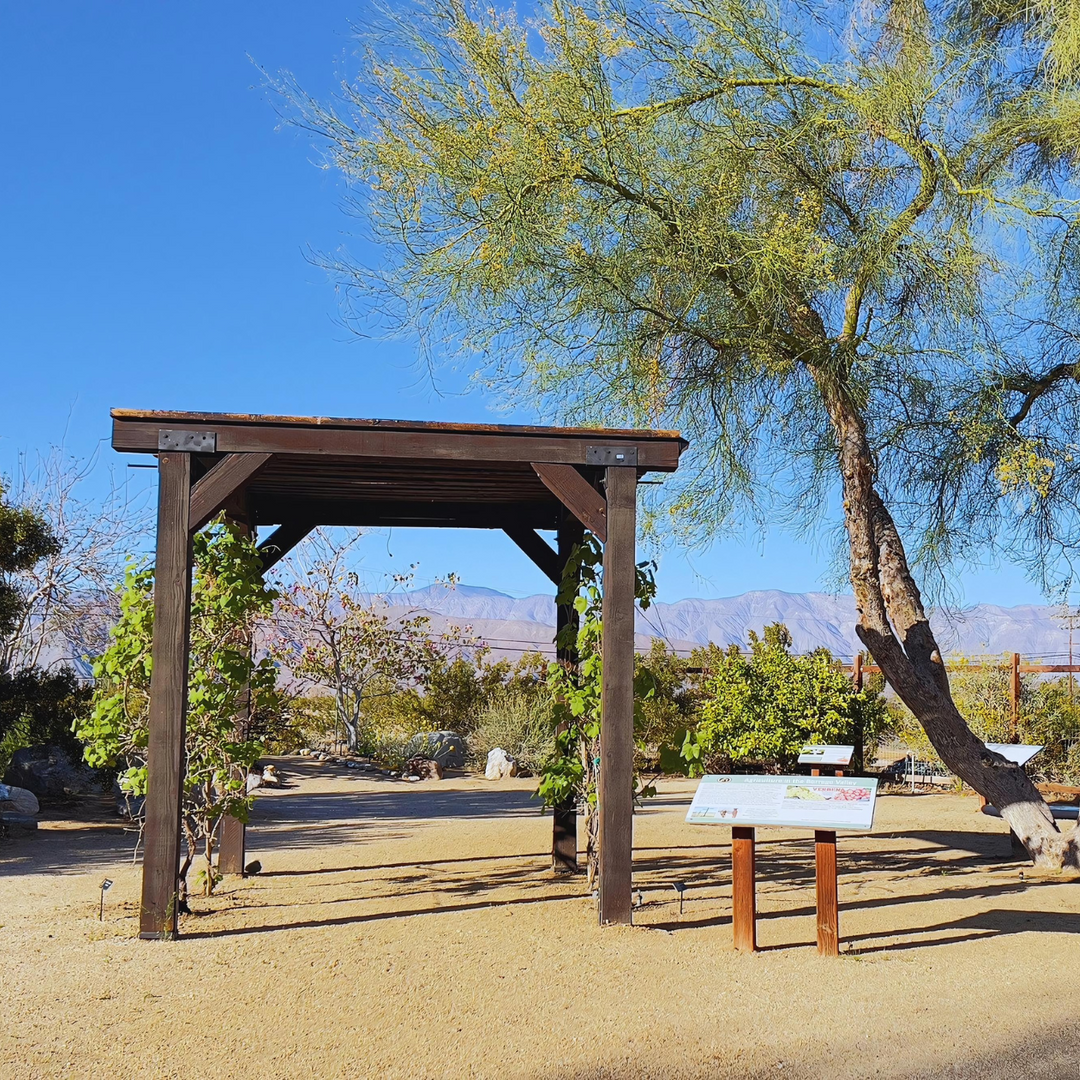
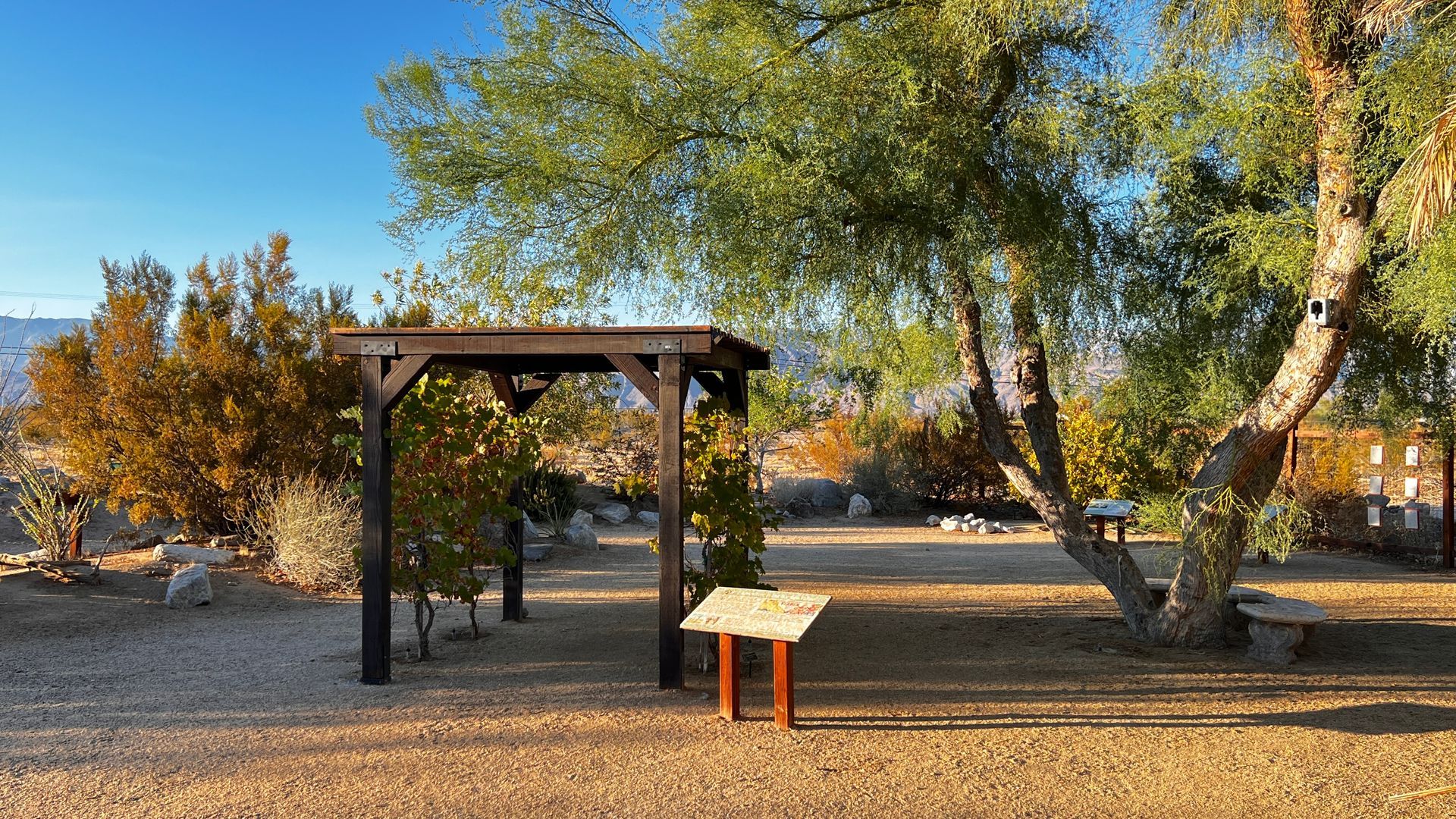
ABDNHA Desert Garden 

Visit & Relax

Visit & Relax

ABDNHA Desert Garden 

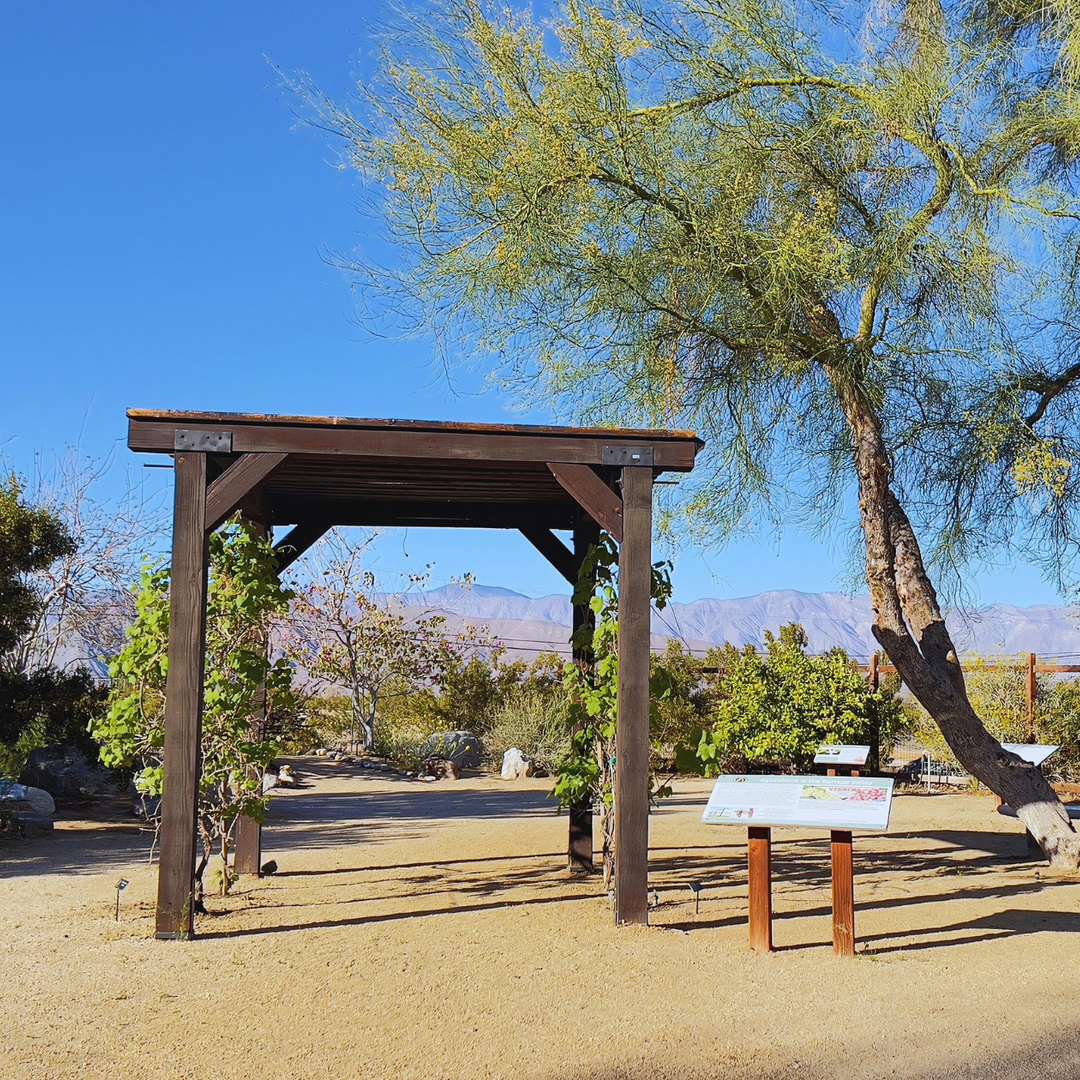
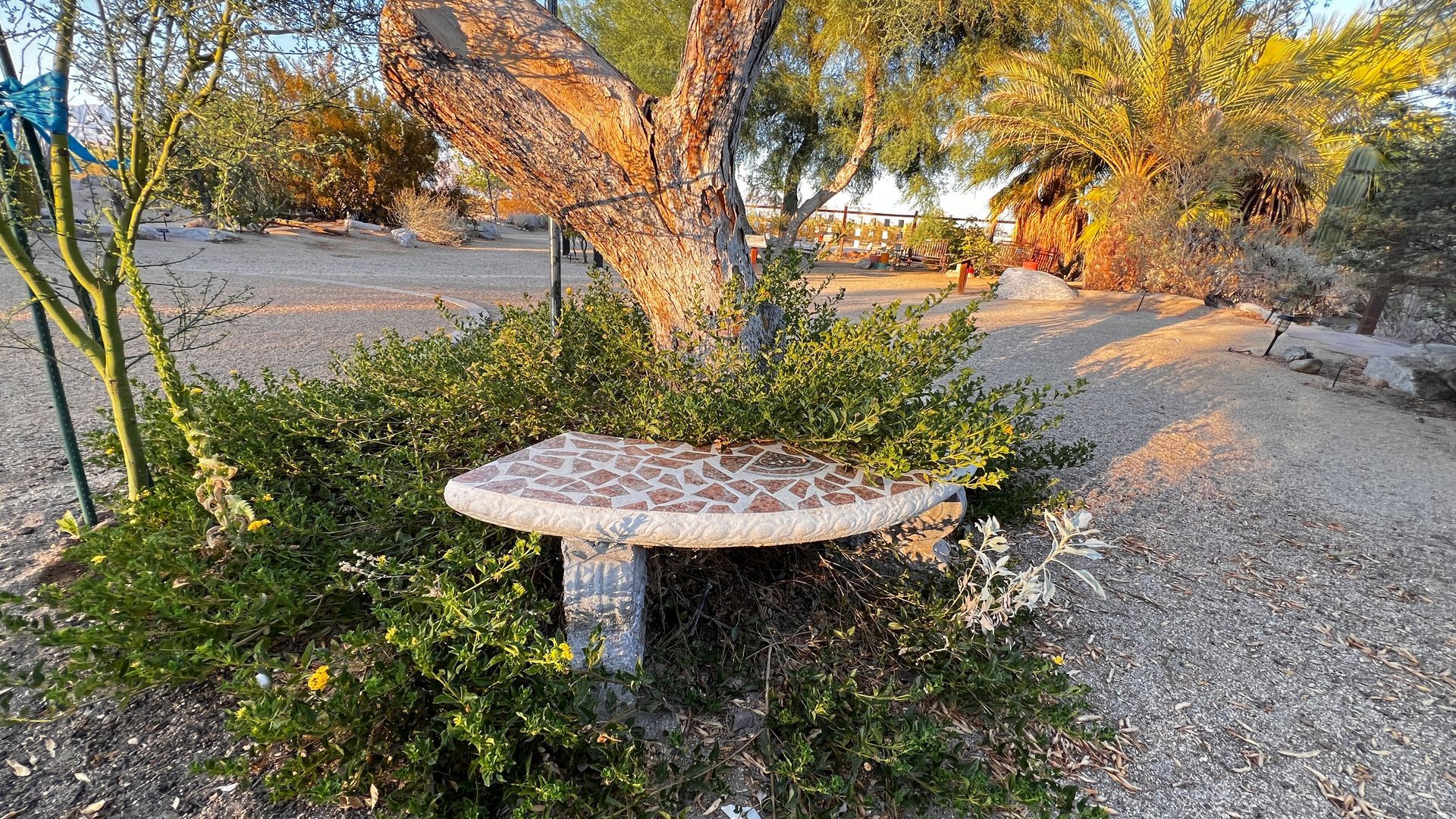
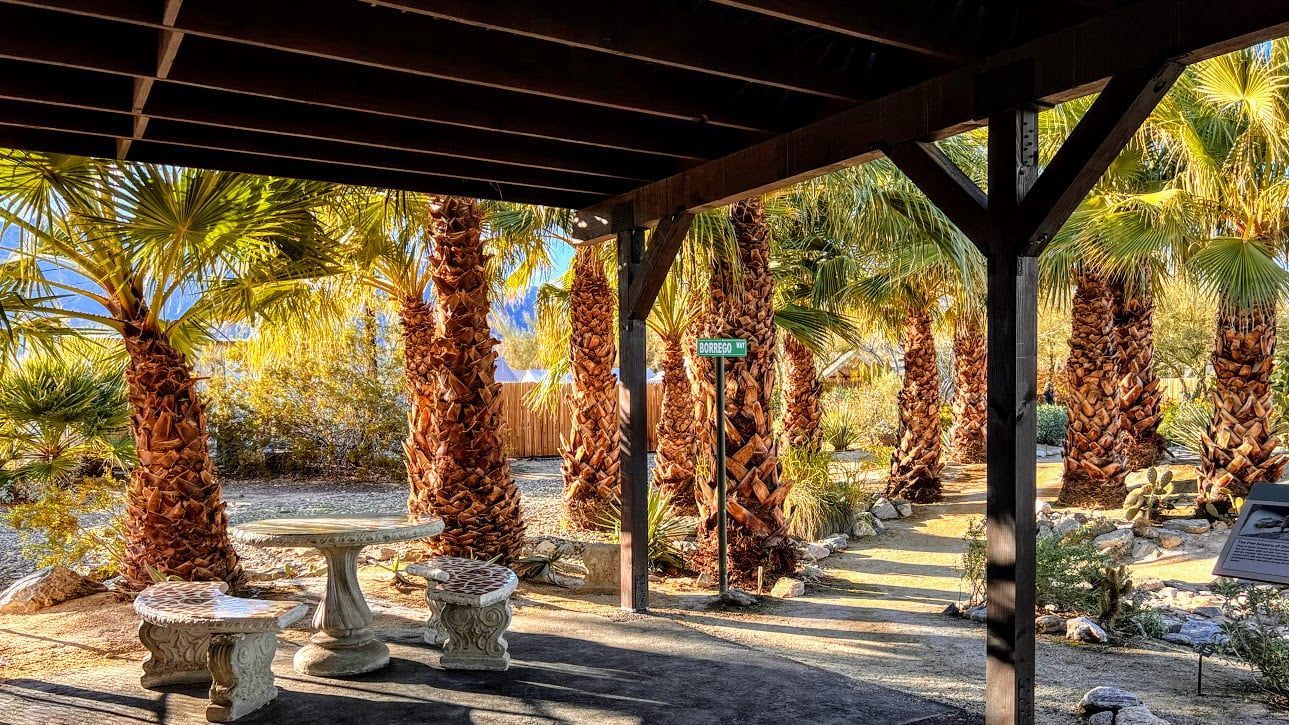
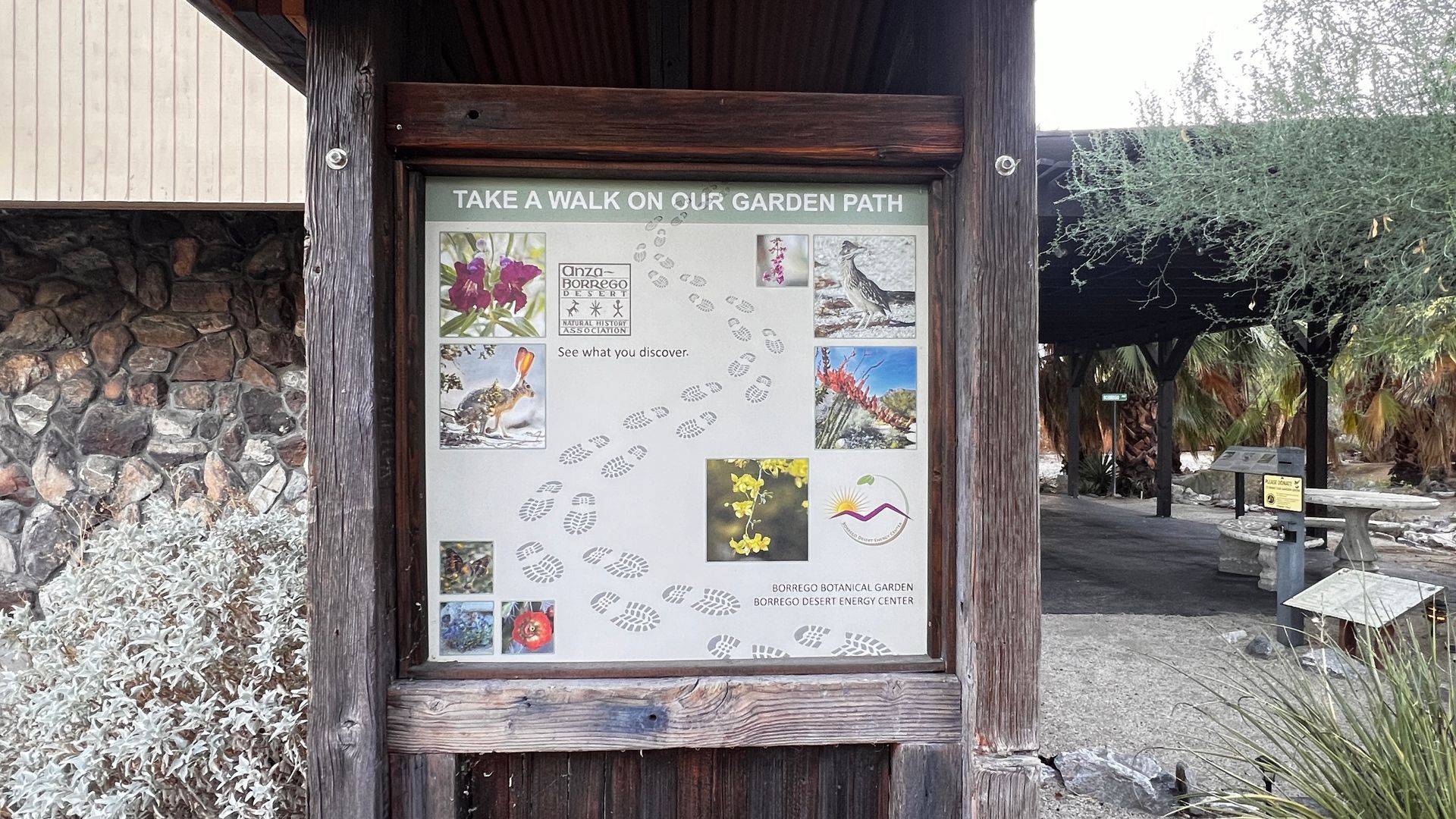
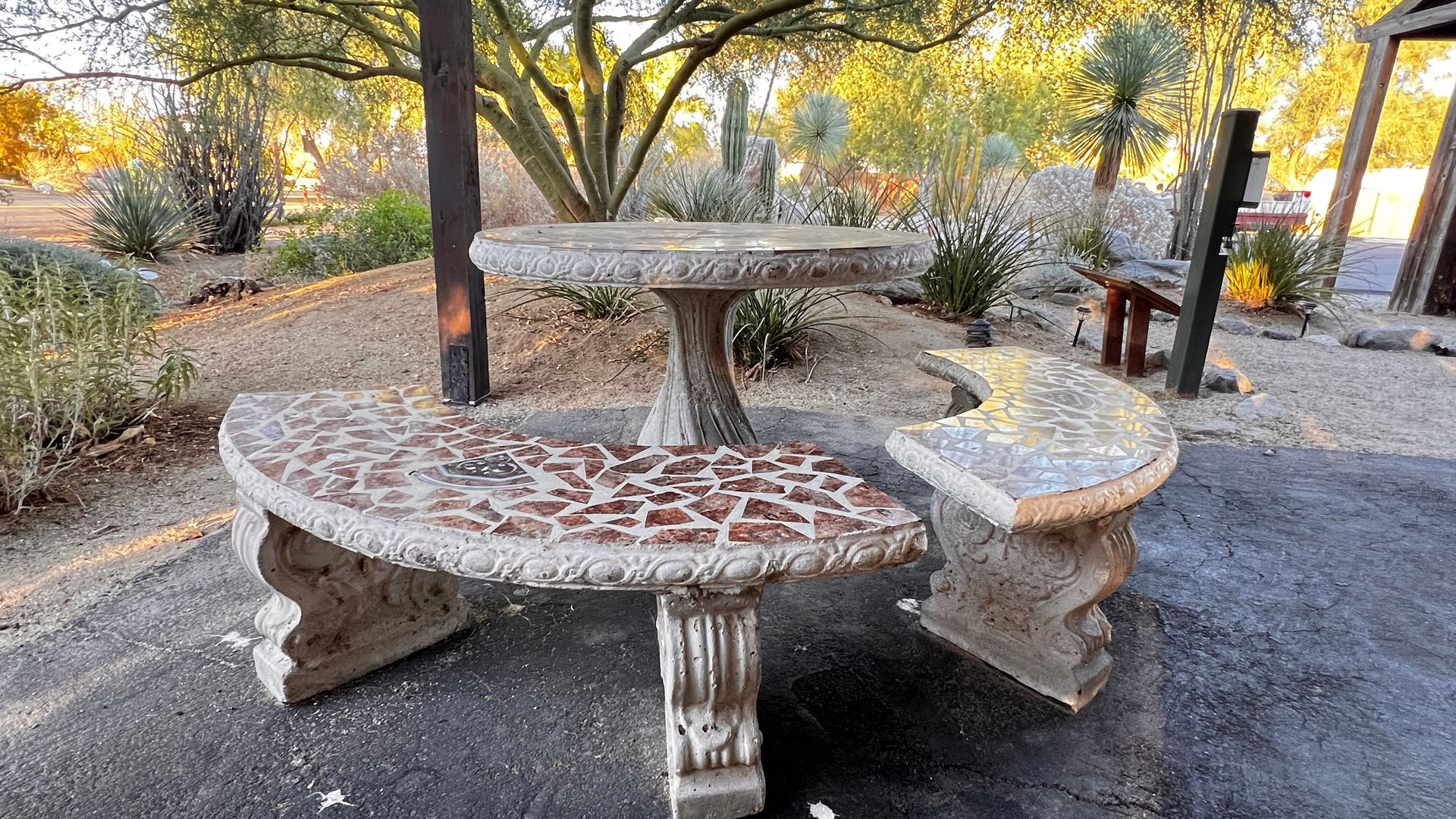
Explore the ABDNHA Desert Garden in Borrego Springs, where artistic landscapes meet a vibrant ecosystem of desert flora and fauna, open daily from sunrise to sunset. Enjoy shaded walkways, wildlife sightings, and a glimpse into local history, all in a serene setting.


This public oasis welcomes visitors for leisure and small-scale events by reservation.

Learn More
borrego dark sky coalition

About The Borrego Springs Dark Sky Coalition

In 2007, Borrego Springs residents formed a committee to achieve Dark Sky Certification from the International Dark Sky Association, culminating in the approval of a comprehensive 90-page application in 2009, which included a lighting survey, educational initiatives, lighting modifications, and regulatory assurances for sustained low light levels. Learn more on darksky.org!


>>An Enlightening Interview, New Dark Sky President -  Article by Nancy McRae


“THE SAND PAPER” ABDNHA MEMBER NEWSLETTER

"The Sand Paper," published five times a year by ABDNHA, features in-depth articles on the Anza-Borrego region, ranging from natural history to cultural insights. Members receive early access to event information and exclusive opportunities to engage with the content and community activities.
Learn More
Donate to the ABDNHA Today!

ABDNHA (founded 1971), a 501(c)(3) non-profit, educates and inspires desert appreciation. Visit their store (652 Palm Canyon Dr.) for info & events! Donate today and make a difference.
Donate Donate

Become a Member of the ABDNHA, a community passionate about desert education, conservation, and sharing its wonders.

Become a Member! Become a Member!
Anza-Borrego Desert Natural History Association (ABDNHA)

The Impact

Anza-Borrego Desert Natural History Association (ABDNHA)

The Anza-Borrego Desert Natural History Association (ABDNHA) plays a pivotal role in both the local community of Borrego Springs and the wider appreciation of the Anza-Borrego Desert region.


Here are some key impacts of the ABDNHA:

Educational Outreach

ABDNHA's educational programs, lectures, and tours provide invaluable learning opportunities for all ages. By offering a deeper understanding of the desert's ecology, geology, flora, and fauna, ABDNHA fosters a greater appreciation and respect for natural environments among residents and visitors alike.

Conservation Awareness

Through its various initiatives, ABDNHA raises awareness about the importance of conserving delicate desert ecosystems. Its efforts help to protect and preserve the natural beauty of the Anza-Borrego Desert for future generations, highlighting the critical balance between human activity and environmental stewardship.

Civic Participation

ABDNHA acts as a community hub, bringing together people with a shared interest in the desert's natural history and cultural heritage. Its events and programs create a sense of community among Borrego Springs residents and provide an inviting atmosphere for visitors, enhancing the social fabric of the area.

Economic Contribution

By attracting visitors to Borrego Springs for hikes, lectures, and special events, ABDNHA contributes to the local economy. Tourists and participants in ABDNHA programs often support local businesses, lodging, and dining establishments, thereby boosting economic activity in the region.

Research

ABDNHA supports and often collaborates in research projects and documentation efforts related to the Anza-Borrego Desert. These scholarly activities contribute to the scientific understanding of the area, adding to the body of knowledge on desert environments and informing conservation strategies.

Cultural Preservation

ABDNHA's work extends to the preservation of the cultural heritage of the Anza-Borrego Desert, including the history and traditions of its native peoples. By educating the public about the region's rich cultural past, ABDNHA ensures that this important aspect of the desert's identity is not forgotten.

Anza-Borrego Desert Natural History Association


P O BOX 310

652 Palm Canyon Drive.

 Borrego Springs, CA 92004


Office: 760-767-3052

Desert Store & Nature Center:

760-767-3098

Learn More About Anza Borrego
March 18, 2026
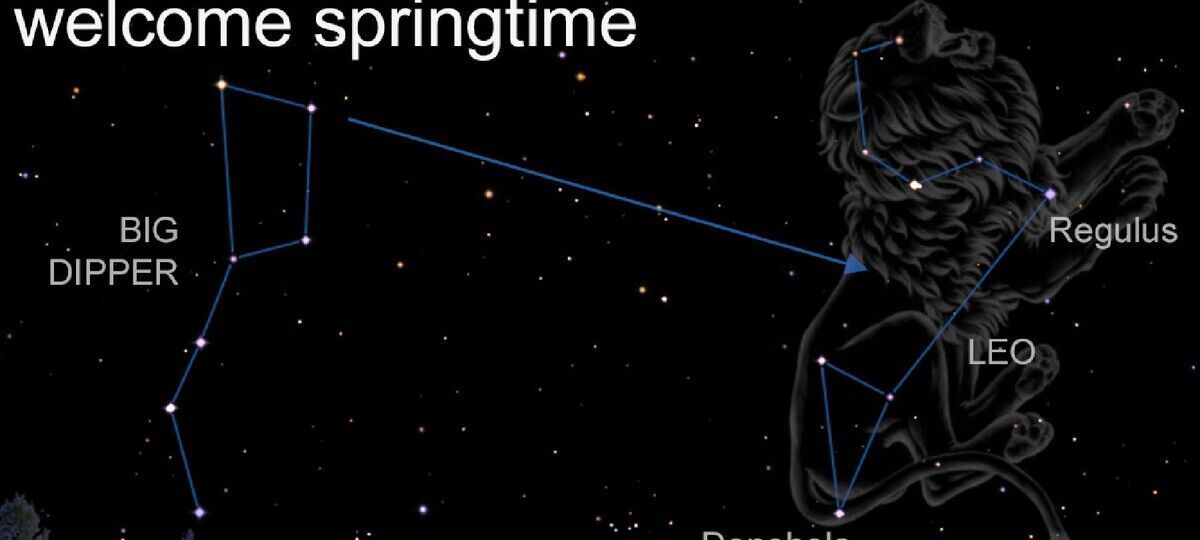
By Dennis Mammana Week of March 22-28, 2026 Now that spring has sprung, I'm sure that those who have endured a long, cold and snowy winter are rejoicing. Anyone who knows me knows that I'm no winter person. Sure, I used to enjoy the season when I was a kid, but that's only because I could spend entire days building snow forts with my friends and making a few bucks shoveling the white stuff for neighbors. No longer. Today, warmer days of springtime can't come soon enough for me! If we had no calendar, we would still know the seasons are changing. We see it happening all around us: Temperatures are rising, the first flower buds are beginning to appear, and many birds are returning to our part of planet Earth. And, just as our daytime world gives us clues that spring is approaching, the darkness does as well. Nighttime hours are beginning to shorten, and the brilliant stars of winter are descending in the west to make way for those of springtime. And no star grouping heralds the arrival of springtime to our Northern Hemisphere more than Leo, the lion. Head outdoors during early evening hours and cast your gaze midway up in the eastern sky. There, you'll see Leo, one of the few constellations that, with some imagination, actually can be made to look like its namesake — a lion crouching in a regal pose reminiscent of the enigmatic Egyptian Sphinx. Most prominent in this constellation is the bright star Regulus, which shines brightly beneath the lion's majestic head and mane, outlined by a large sickle-shaped grouping of stars. More metropolitan stargazers may recognize this figure not as a sickle but as a backward question mark, with Regulus forming the dot at its base. The star's very name, "Regulus," comes from the Latin word "Rex," meaning "king," and, interestingly, this star was revered throughout the ancient world as a "royal" star. According to astronomy author R.A. Allen, it was known in Arabia as "Malikiyy" (the Kingly One), while the ancient Greeks knew it as "the Star of the King." At the other end of the lion, we find the bright star Denebola, whose name originates from the Arabic "Al Dhanab al Asad," meaning "The Lion's Tail." You can find Leo more easily if you use the two pointer stars of the Big Dipper, farther to the northeast. These stars point toward Polaris (the north star) if you follow them from the bottom to the top of the Dipper's bowl, but if you follow them in the opposite direction, you can find your way toward the back of the lion. If you have trouble tracing this animal's shape among the stars, don't worry. Just turn it around and you'll find it's much easier to find not the mighty king of the jungle but instead a mouse! Quite frankly, I think the figure of a mouse is much easier to trace. Here, the star Denebola forms its pointy nose, the nearby triangle forms his head, and the sickle now outlines its long, curving tail. Either way you look at it — mouse or lion — nothing in the heavens announces springtime more loudly than Leo!  Visit Dennis Mammana at dennismammana.com. To read features by other Creators Syndicate writers and cartoonists, visit the Creators Syndicate website at www.creators.com. Learn More About Borrego Springs
March 18, 2026
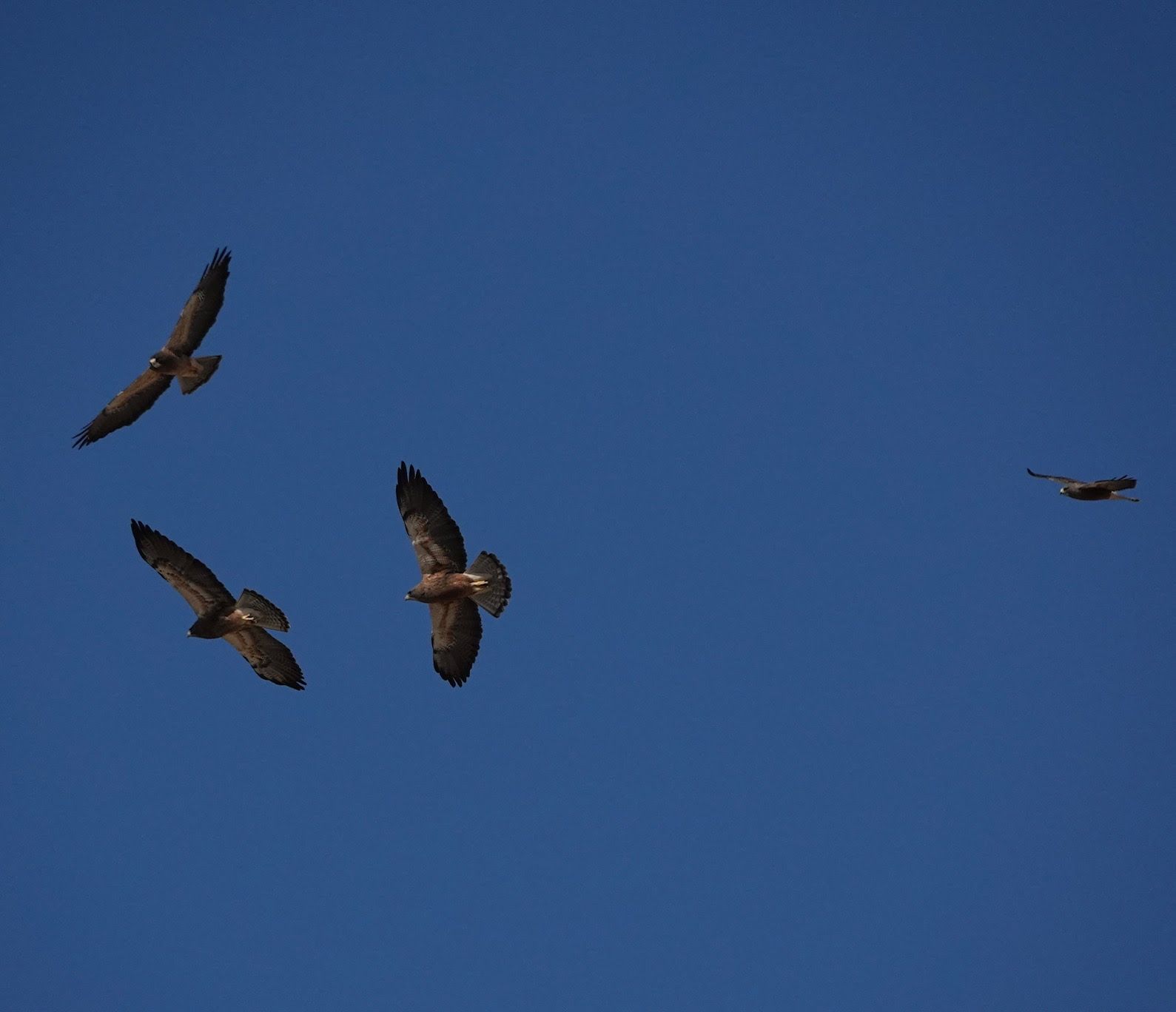
A recent Hawk Alert shared through the Borrego hawkwatch community reports a significant number of Swainson’s hawks currently roosting in Borrego Springs. Estimates based on multiple counts suggest 200 to 300 hawks are gathered overnight. This is part of the annual spring migration, when large numbers of Swainson’s hawks pass through the Borrego Valley. The migration typically runs from mid-February through March and into April, with peak activity often occurring in mid to late March. 
March 6, 2026
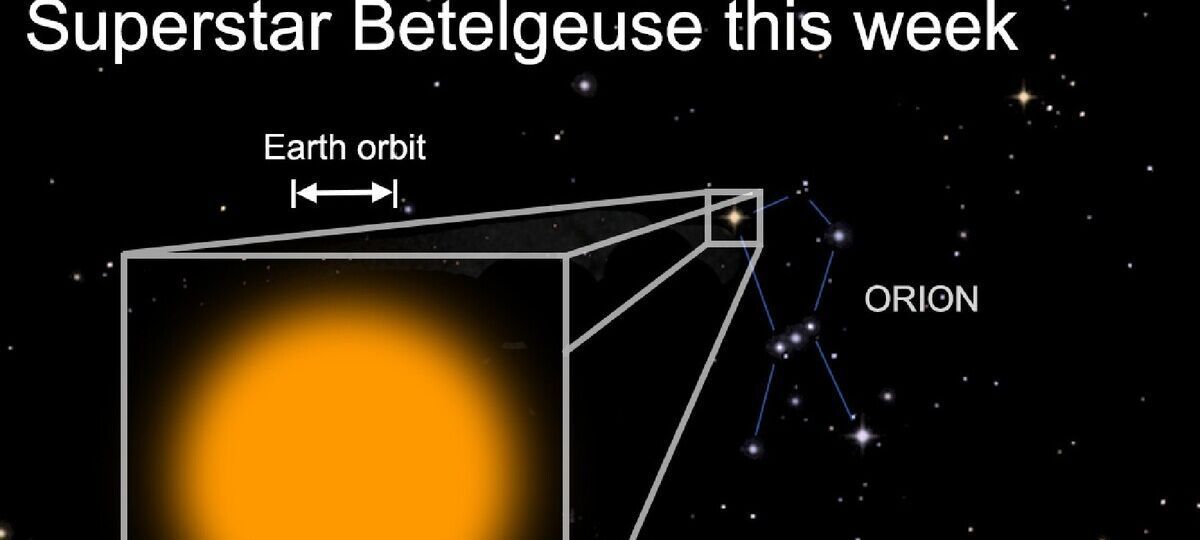
By Dennis Mammana Week of March 8-14, 2026 If you hear the word "superstar," what immediately comes to mind? Perhaps names like Tom Hanks, Taylor Swift or LeBron James? That's certainly understandable; they are all undisputed superstars who attract the attention of paparazzi and fans alike. If you're an astronomer, however, you may answer this question differently. For example, when I hear the word "superstar," I think of UY Scuti, WOH G64 or RSGC1-F01. Yes, these are superstars, but not quite how people may think. These are some of the largest stars known in our galaxy and, for that reason, are quite intriguing to us celestial paparazzi. Regular readers of this column know that our sun is also a star. It appears big and bright in our daytime sky because not only is it rather close (about 93 million miles away), it's also pretty large (nearly a million miles across). It sounds huge, but our star is rather small on a cosmic scale, and believe it or not, there are stars out there that would dwarf our sun and make it look tiny. These are the true superstars! Until recently, the largest star known was given the hopelessly poetic name of UY Scuti. At a distance of some 9,500 lightyears from Earth, UY Scuti is what is known as a red hypergiant star, with a diameter some 1,700 times that of the sun! All that changed recently, however, when astronomers found a gargantuan star some 2,150 times larger than our sun! It's named Stephenson 2-18, and if you'd like to get a peek at this stellar behemoth, you'll need more than your eyes. At a distance of some 18,900 lightyears, it appears 5,100 times fainter than we can see without a telescope. If you have no telescope but would still like to see a celestial superstar, you're in luck. There's one shining in our night sky right now; it's one of the brightest up there and is named Betelgeuse. Betelgeuse sparkles brightly in the northeastern corner of Orion, the hunter, and you can see its orange light midway up in the southern sky after dark this week. With about 15-20 times more mass than our sun, Betelgeuse is known as a red supergiant star for good reason. While we could align 109 Earths across the face of our sun, we would need at least 700 suns to cross the face of Betelgeuse! Indeed, this star is so immense that if it replaced our sun at the center of our planetary system, Betelgeuse would engulf the orbits of Mercury, Venus, Earth and Mars, and stretch part of the way to Jupiter! Yet it appears as a simple point of light in our night sky because of its tremendous distance from us — some 3,100 trillion miles, or about 520 lightyears. Betelgeuse is easily one of the largest known stars, though its size fluctuates by as much as 60% as the star shudders and pulsates on its way to an eventual supernova explosion, thousands or millions of years from now. Or tonight. We just don't know.  I hope you'll step out under the night sky soon to meet this remarkable superstar for yourself! Visit Dennis Mammana at dennismammana.com. To read features by other Creators Syndicate writers and cartoonists, visit the Creators Syndicate website at www.creators.com. Learn More About Borrego Springs
By Jake Hinton February 28, 2026
Meet Dennis Mammana, a passionate astronomer with nearly five decades of experience in unraveling the mysteries of the cosmos. Dennis’s journey began in Easton, PA, where he was captivated by the launch of the first Earth-orbiting satellites in the late 1950s.
February 25, 2026
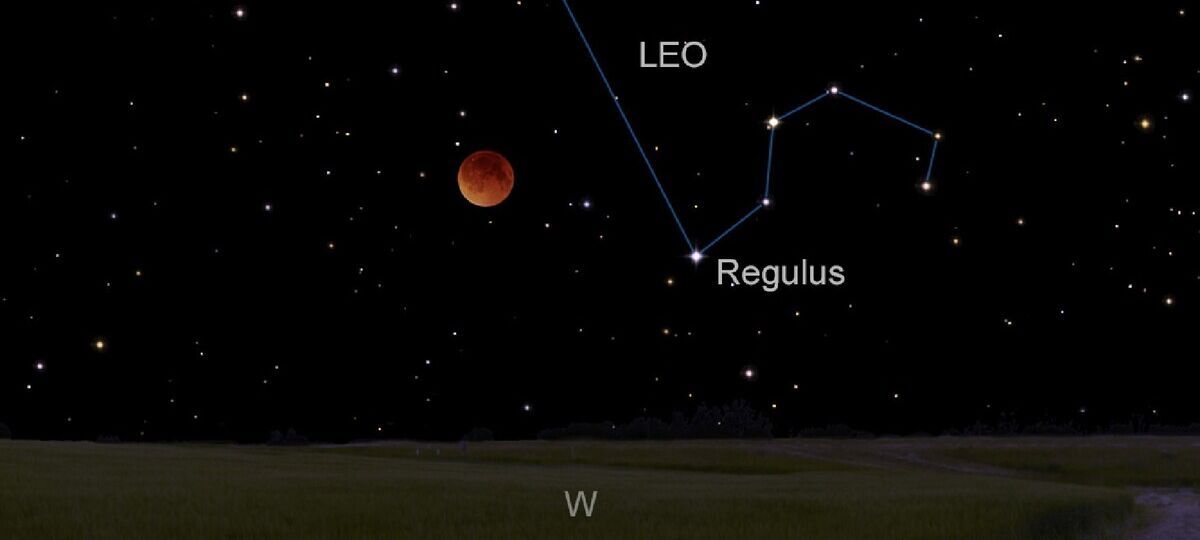
By Dennis Mammana Week of March 1-7, 2026 Attention, night owls and insomniacs! The sky show this week is just for you! Much of North America is about to see the moon experience one of nature's most beautiful sky shows: a total lunar eclipse. A lunar eclipse occurs when the full moon slips into the Earth's shadow far out in space, either partially or completely, and that's just what will happen during the wee hours of March 3. Skywatchers throughout North America will see the start of this eclipse (weather permitting, of course), but depending on where you live, you may see only a portion of the sky show. In general, the farther west you live, the more of the eclipse you will see before the moon sets behind the western horizon. The eclipse begins at 12:44 a.m. PST (3:44 a.m. EST), when the moon enters the Earth's light outer shadow (known as the penumbra), but this shadow is so thin that no one will notice a darkening of the moon's appearance. Within an hour or so, that will change significantly. As the moon approaches the dark inner shadow of the Earth (known as the umbra), skywatchers will notice the eastern side of the moon beginning to darken slightly. The real show begins at 1:50 a.m. PST (4:50 a.m. EST) when the moon officially enters the umbra. No one gazing skyward will have any doubt that a "bite" has been taken out of the moon — a bite that will grow larger with each passing minute. For the next hour or so, the moon will dim as it slips more deeply into our planet's umbra, until 3:04 a.m. PST (6:04 a.m. EST) when it's completely engulfed and the total eclipse begins. Unfortunately, those in the far eastern part of North America may miss this since the moon will lie quite close to (or even below) the western horizon. During the total phase, the moon will take on a dim coppery hue. This occurs because sunlight passing through our atmosphere is reddened and bent inward toward the darkened surface of the eclipsed moon, now suspended eerily against the stars of Leo, the lion. Only those viewing from the Midwest to the West Coast will see mid-eclipse, which occurs at 3:33 a.m. PST (5:33 a.m. CST). Those in the Midwest may miss the end of totality at 4:02 a.m. PST (6:02 a.m. CST), however, as the moon will be setting in the west. The entire event will end at 5:17 a.m. PST (4:17 a.m. MST) with the moon approaching the western horizon for viewers in western North America. Unlike an eclipse of the sun, a lunar eclipse is perfectly safe to view without protective filters. Your eyes are all you need to enjoy the show, but you'll have even more fun viewing through binoculars or a small telescope. If the sky is cloudy that morning, or if you live where the eclipse won't be visible, you can watch a livestream of the sky show online. Visit timeanddate.com and click on "Sun, Moon & Space" at the top to find details for your location, as well as links to view the eclipse live online. Visit Dennis Mammana at dennismammana.com. To read features by other Creators Syndicate writers and cartoonists, visit the Creators Syndicate website at www.creators.com.  Learn More About Borrego Springs
By Dennis Mammana February 11, 2026
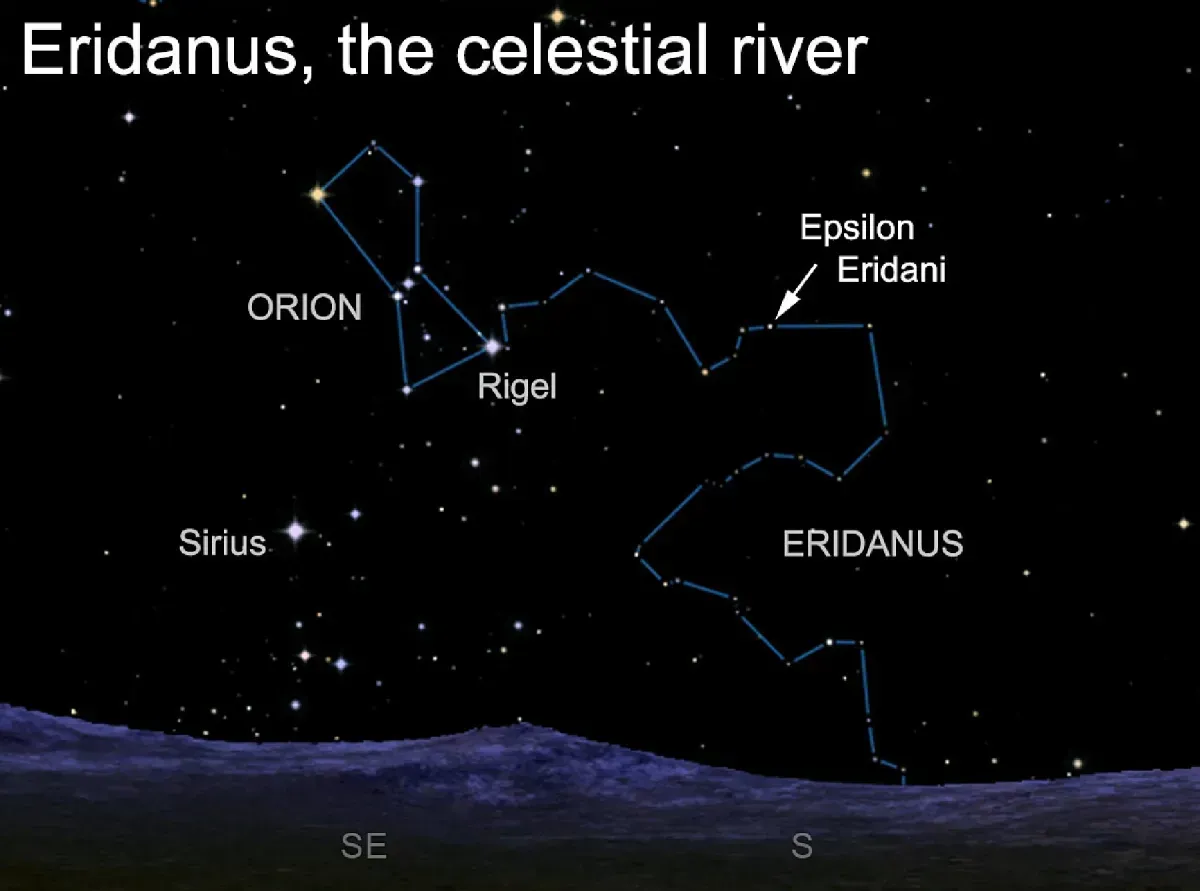
Among Eridanus’ prominent stars is Epsilon Eridani. Creators.com illustration
By Dennis Mammana January 22, 2026
The Great Orion Nebula is visible with the unaided eye.
By Jake Hinton December 30, 2025
Borrego Springs, in San Diego County, is experiencing an unusual winter wildflower bloom. Henderson Canyon is already colorful—just about a 90-minute drive from San Diego. (ABDNHA)
By Jake Hinton October 19, 2025
Discover the exciting 2023-2024 activities offered by the Anza-Borrego Desert Natural History Association, including hikes, stargazing, conservation efforts, and educational programs. Join us to explore the wonders of the Anza-Borrego Desert.
Show More
The Borrego Springs Community Concert Association Events