March 11, 2024

Borrego Springs: Proposed Fire Station and Walk-In Clinic

Share

Integrated Emergency and Healthcare Services For Borrego Springs

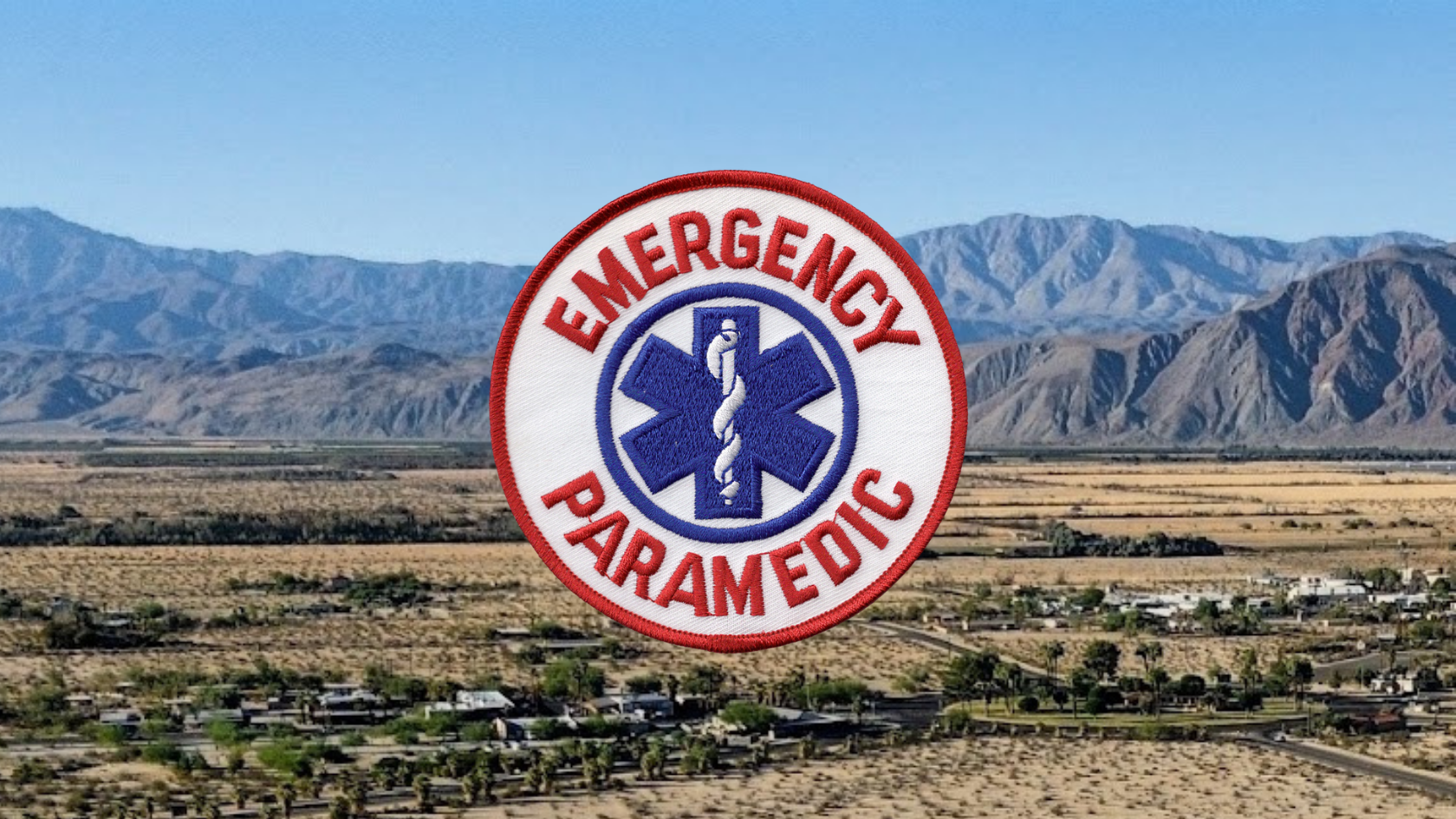
Borrego Springs faces a significant challenge with hospitals more than an hour's drive away, underscoring the critical need for local emergency and healthcare services. The proposed dual-purpose facility, blending a cutting-edge fire station with a walk-in clinic, is set to bridge this gap. Here, paramedics and firefighters will extend their roles beyond traditional emergency response; they'll provide immediate medical care, conduct basic health assessments, and offer first-aid and health education, significantly enhancing the community's safety and well-being.


Bridging Gaps, Saving Lives: The Wrights' Legacy
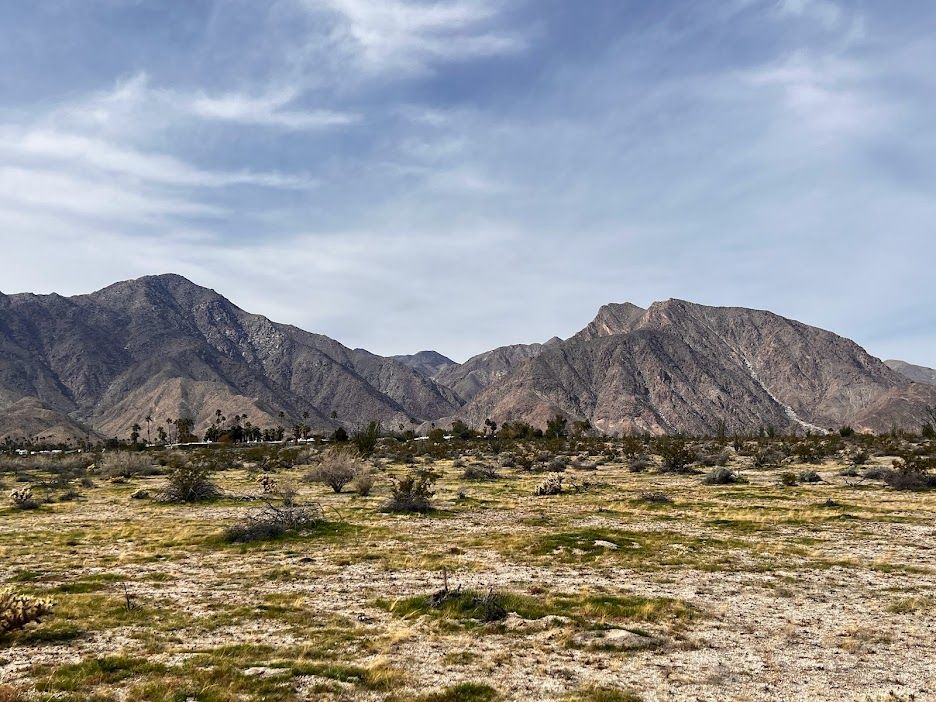
Borrego Springs, a serene desert oasis, stands on the cusp of a transformative community project.


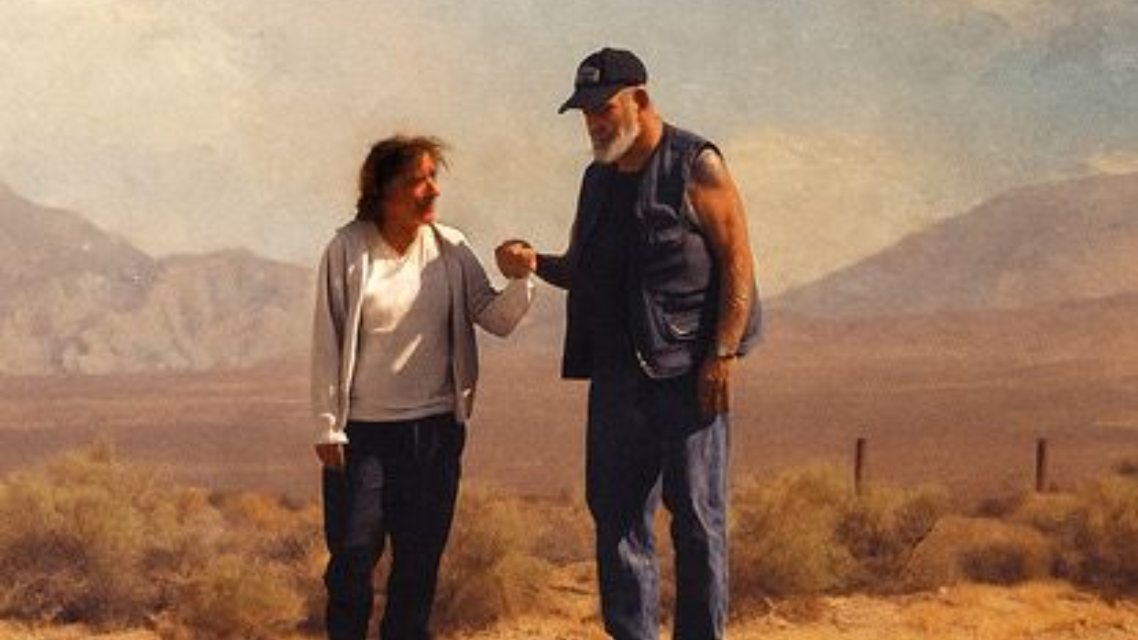
Adjacent to the Borrego Public Library, a 5-acre donation from Dan and Nancy Wright marks the beginning of a significant development in Borrego Springs. This land, earmarked for a combined fire station and walk-in clinic, is a testament to the community's spirit of generosity and the impactful leadership of individuals like Jim Desmond. Their efforts are crucial in enhancing the well-being and resilience of this close-knit desert community.


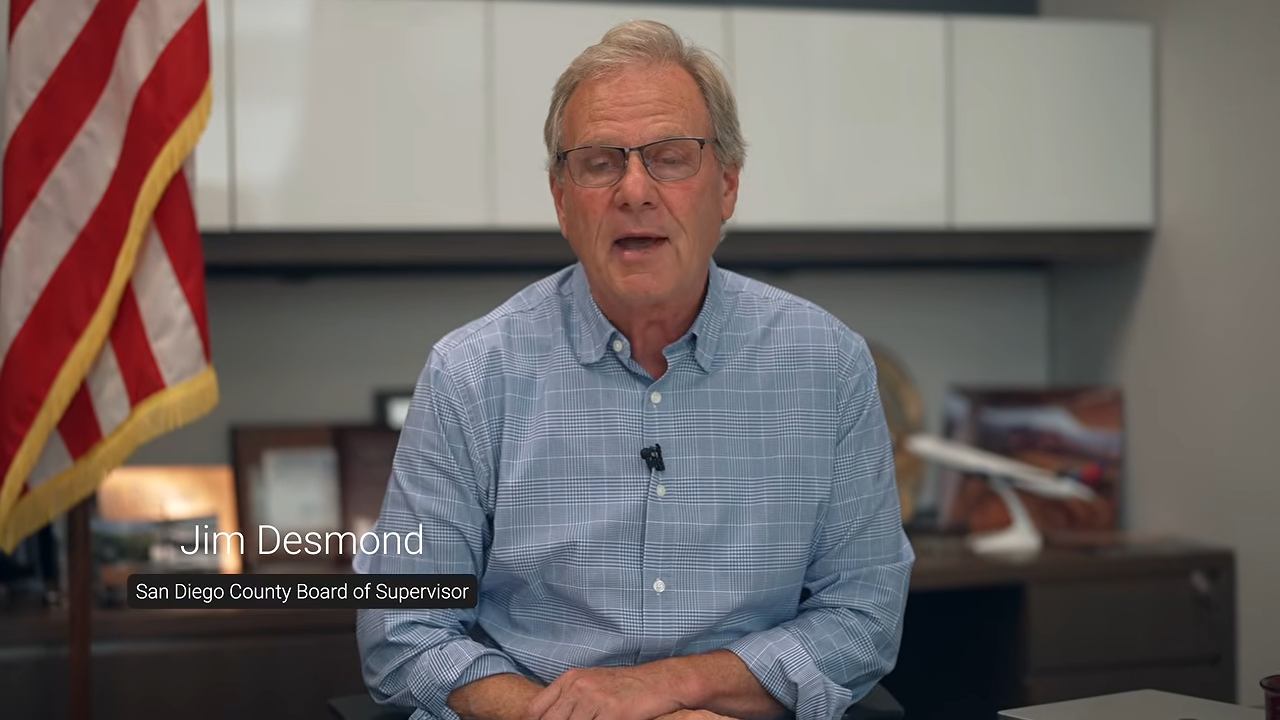
Note: Since taking office in 2018, Supervisor Jim Desmond has shown a deep commitment to Borrego Springs. He established regular community forums, allowing residents to directly engage with him and county staff to tackle local issues and spearhead improvements. Additionally, Desmond played a pivotal role in organizing mobile vaccination clinics at the library with CAL FIRE and other rural fire departments, further demonstrating his proactive approach to community health and his responsive leadership during emergencies, such as his immediate presence in the aftermath of a windstorm to assess and address the community's needs.


A Vision Supported by Leadership


Jim Desmond, the esteemed San Diego County District 5 Supervisor, has thrown his weight behind this noble initiative, recognizing the profound impact it could have on Borrego Springs. With his support, the dream inches closer to reality, but it requires a collective voice, a chorus of community support, to bring it to fruition.


The Heart of the Matter: Enhanced Health Services


In Borrego Springs, the beauty of desert landscapes is contrasted sharply by the challenges of limited healthcare access. This proposed facility aims to fill those gaps, particularly for the elderly, disabled, and working individuals who need medical attention during off-hours. It leverages the skill and dedication of local paramedics and first responders, extending their reach beyond emergency call-outs to everyday healthcare needs.


Role of First Responders at the Proposed Borrego Springs Facility


In the heart of the proposed dual-purpose facility in Borrego Springs, first responders and paramedics are set to embrace an expanded role that goes beyond traditional emergency response. This innovative approach not only maximizes the utilization of their skills but also significantly enhances the accessibility and quality of healthcare for the community.


Here’s a detailed list of the roles and services these dedicated professionals would be able to provide at the new facility:


  • Immediate Medical Care: Offer prompt, walk-in medical services for non-life-threatening conditions, reducing the need for emergency room visits.


  • Advanced Diagnostic Services: Utilize their training to perform basic diagnostic tests, helping in early detection and management of health conditions.


  • Health Monitoring and Management: Assist in monitoring chronic conditions, providing regular check-ups and follow-up care.


  • Wellness and Prevention Programs: Conduct community health workshops and programs focused on preventive care, wellness, and healthy living.


  • First Aid and CPR Training: Lead training sessions for the community, empowering residents with essential lifesaving skills.


  • Emergency Preparedness Workshops: Educate the public on how to prepare for and respond to various emergencies, enhancing community resilience.


  • Mental Health Support: Offer initial support and referral services for individuals facing mental health challenges, ensuring they receive timely and appropriate care.


  • Substance Abuse Counseling and Referral: Provide guidance and resources for individuals struggling with substance abuse, facilitating their journey towards recovery.


  • Coordination with Healthcare Facilities: Act as a liaison between patients and local healthcare services, ensuring seamless continuity of care.


  • Telemedicine Facilitation: Utilize technology to connect patients with specialists and healthcare providers, expanding access to expert medical advice.


Community Call to Action: Your Voice Matters


Now, Borrego Springs stands at a pivotal moment. The success of this project hinges not on the vision of a few but on the collective will of the many. Residents are encouraged to share their stories, experiences, and voices in support of this project. Letters to Supervisor Desmond are not just messages; they're the embodiment of a community's desire for a brighter, safer future.


The Future at Our Doorstep


Imagine a Borrego Springs where emergency response times are slashed, where medical emergencies are addressed swiftly and efficiently, right in the heart of the community. Envision a place where training in lifesaving skills is accessible to all, where the community's health and safety infrastructure grows in strength and resilience.


What can we do?


Call To Action: Borrego Springs Residents and Friends


This is not just a project. It's a legacy in the making. A legacy of safety, health, and community spirit. As Borrego Springs stands on the brink of this transformative journey, it's time for every voice to be heard, for every resident to play a part in shaping the future.


Join the movement. Support the vision. Together, we can turn this dream into a reality for Borrego Springs.


For more details and to lend your support, reach out to jim.desmond@sdcounty.ca.gov or write to the County Administration Center, 1600 Pacific Highway, Room 335, San Diego, CA 92101, Tel: 619-531-5555.


Quotes: Jim Desmond, the San Diego County District 5 Supervisor

“Fire department paramedics aren’t busy every day except when called on. The idea is to legally give them health care responsibility and tasks that could be performed not based on emergency-centered calls. For Borrego, this could fill a gap left by the limited services being provided by the local clinic, especially for the elderly and disabled; and to cover evenings and weekends when the clinic is closed and working people may have medical problems.” Source: Borrego Sun


“I am keeping an eye on the situation in Borrego Springs and hoping to ensure access and expanded health services through the paramedic’s paramedicine program to fill in service gaps.” Source Borrego Sun

Learn More About Borrego Springs Issues
By Karen Pearlman June 4, 2026
By Karen Pearlman June 3, 2026 (Julian) — Roots rock and Americana tunes are coming to fill the mountains of East and North County with original music this weekend during the Fifth Annual Julian Town Square Music Festival .  The free community celebration will run from noon until 6 p.m., Saturday, June 6 at 2712 Washington St. in Julian. Organized by the nonprofit Julian Community Heritage Foundation , with more support from the Julian Chamber of Commerce , the festival is the main fundraiser for the support of the continued development of the Julian Town Square — a historic corner lot becoming a permanent outdoor park and performance space. The emerging Julian Town Square represents a 10-year, grassroots preservation effort to safeguard the town’s mountain heritage. The site dates back to 1912 when it housed the Silvers Supply Store, before eventually operating as a Chevron gas station in the 1970s. In 2017, a small group of local neighbors formed the JCHF to buy the abandoned corner lot and revitalize it. The foundation has been molding the plot into a permanent cultural epicenter for theater, art and community gatherings. While admission to the festival is free — with parking available for $10 at Frank Lane Park, 2645 Farmer Road in Julian — organizers are looking to the community to help fund the next phases of development. Attendees making on-site or online donations of $300 or more will have their names permanently etched onto the Town Square’s upcoming donor wall. Local artisans, handmade goods, and backcountry vendors will line the venue, alongside food from QUECHO Elevated Mexican Eatery and craft beverages provided by The Toasty Tap . Original music, local artists This year’s festival is anchored by a heavyweight lineup of roots music icons, led by former San Diego Padres fan favorite-turned-Americana-troubadour Tim Flannery and his band, the Lunatic Fringe . For local audiences, Flannery represents a unique intersection of San Diego sports history and grit. Long before he was touring the country with his blend of blue-eyed Irish soul and California country, Flannery (photo, right) spent over three decades in Major League Baseball. He played 11 seasons as a versatile infielder for the Padres (1979-89). He later transitioned to coaching, serving as the third-base coach for the San Francisco Giants during three World Series championships in 2010, 2012 and 2014. Beyond his athletic feats, Flannery’s presence on stage carries a deeper emotional weight for fans following his severe medical crisis. In late 2020, Flannery was hospitalized in San Diego, fighting a life-threatening staph infection that required seven major surgeries and an extensive recovery period. After publicly sharing his battle — during which he credited music and his guitar as vital pieces of his healing process — Flannery’s return to the stage with the Lunatic Fringe marks a triumphant milestone in resilience. Sharing the marquee is Sara Petite, (photo below, left) an award-winning singer-songwriter who has become a fixture of the Southern California Americana scene. Originally from Sumner, Wash., Petite is widely recognized for her raw, roadhouse-rock style of outlaw country. A five-time finalist in the International Songwriting Competition and a frequent winner at the San Diego Music Awards , Petite brings an authentic twang heavily influenced by Loretta Lynn and Lucinda Williams. The afternoon’s diverse musical program will also feature performances by Elizabeth Bowersox , whose album California Queen just won Best Country or Americana Album at this year’s San Diego Music Awards; Salinas Road , Rootful and Donn Bree and friends. For more information on the organization and on the event, visit juliantownsquare.org. For more information on Julian, visit https://visitjulian.com.
By Andrea McKenna June 4, 2026
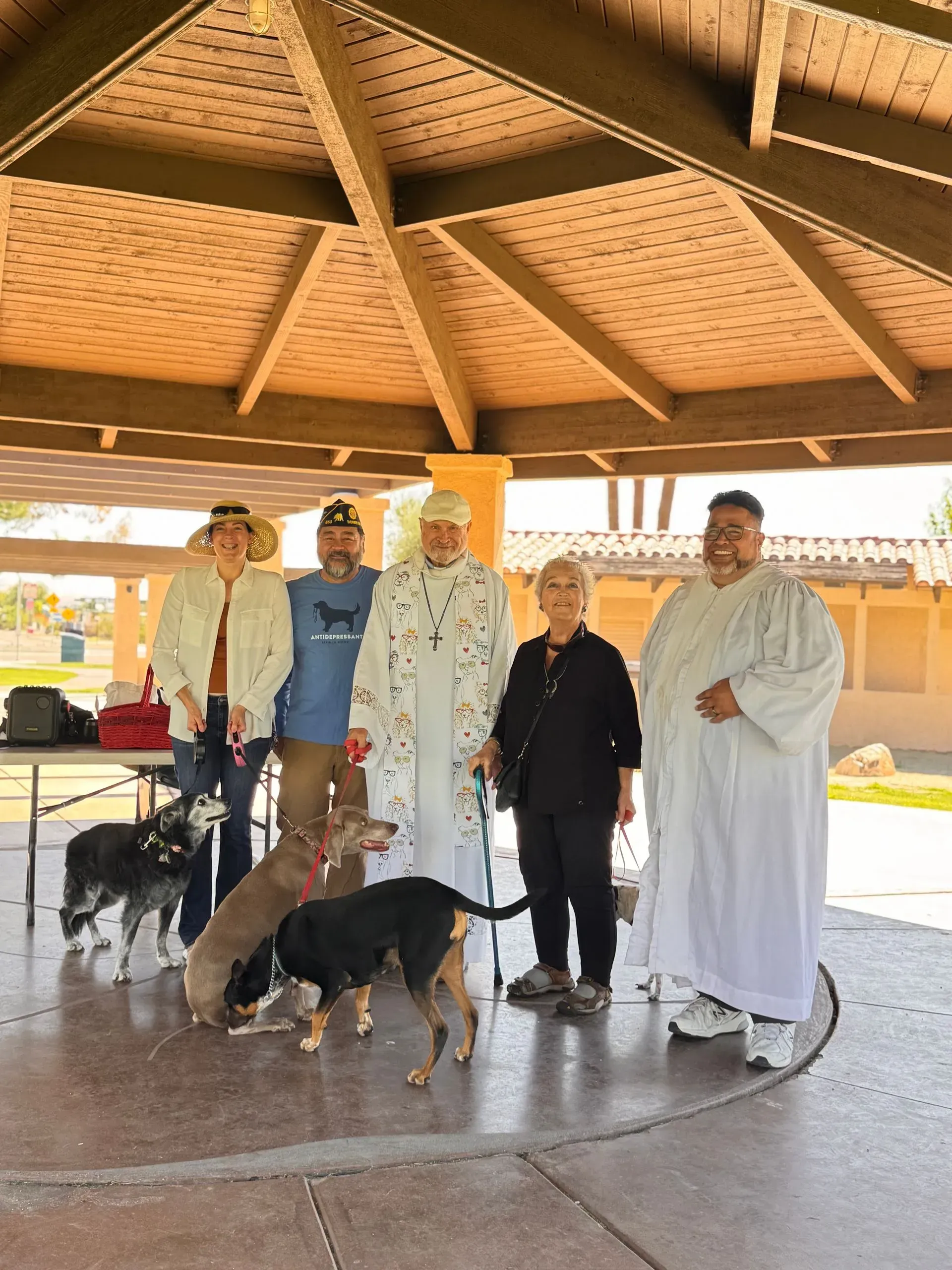
St. Barnabas Episcopal Church expands its ongoing collaboration with Rostros y Corazón For the first time, Fr. David Madsen and Jan Naragon of St. Barnabas (Borrego Springs) are leading a regular Eucharist service at Rostros y Corazón in Salton City. The gathering will take place every other Wednesday, creating a new opportunity for worship, fellowship, and community connection. The service builds on an existing relationship between the two organizations and reflects the many connections already shared between Borrego Springs and Salton City. Many West Shores residents work in Borrego Springs, attend school here, shop here, receive services here, or have family and friends in the Borrego Valley. The two communities are neighbors in many ways. The new service reflects St. Barnabas's commitment to extending ministry beyond its church walls while continuing to support relationships throughout the desert region. By gathering regularly at Rostros y Corazón, organizers hope to create a welcoming space for prayer, conversation, encouragement, and connection. Rostros y Corazón , led by Graciela Mendivil Ramos, is a nonprofit community center serving Salton City and the surrounding West Shores area. The organization is known for supporting families and connecting residents with needed resources. For upcoming service dates or questions, contact Graciela Mendivil Ramos at gracielamramos@gmail.com .
By Andrea McKenna June 4, 2026
Borrego Valley Community Radio – The RAM has moved from its previous location at the Community Resource Center and is now broadcasting from a studio inside WhipperSnappers at 794 Circle J Drive in Borrego Springs. The station, owned by Monica Rue and operated by Mike Rue, continues to serve listeners throughout Borrego Springs and the San Diego County backcountry with a mix of music, community information, local conversations, and volunteer-driven programming. The move gives The RAM additional space to grow while continuing its mission of providing hyper-local radio "by the community, for the community." Mike Rue recently invited residents from Borrego Springs, Julian, Warner Springs, Santa Ysabel, Descanso, Wynola, Mount Laguna, Pauma Valley, Ocotillo Wells, and surrounding communities to get involved. One of the station's goals is to encourage more people to spend time behind the microphone. Rue hopes to provide opportunities for others to share their interests, stories, music, and perspectives with listeners across the region. As The RAM settles into its new location, the station is sharing a short wish list to support its next stage of growth: A Numark dual CD player so volunteer hosts can bring in and play music from their own CD collections during broadcasts Donations of records and CDs to help build a shared community music library for future programming A professional ultra-portable field recorder that can connect to wireless lapel microphones for higher-quality interviews outside the studio Sponsorships from local businesses, organizations, and individuals, including programming blocks, on-air commercials, and regular acknowledgements during broadcasts Good-faith supporters willing to invest in the station’s growth and help create more opportunities for local voices to be heard For Mike Rue, the new studio is about more than equipment or location. It is about creating a place where local voices can be heard and where communities throughout the backcountry can stay connected through music, conversation, and shared experiences. Listeners can listen online at TheRamRadio.com and hear local music, community conversations, interviews, event announcements, and programming created for the San Diego County backcountry.  ------------------------
By County of San Diego Communications Office June 3, 2026
By Fernanda Lopez Halvorson , County of San Diego Communications Office People living in the South Bay, especially those near the Tijuana River Valley (TJRV), are experiencing high hydrogen sulfide (H2S) emissions, often recognized by the strong rotten egg smell produced by untreated wastewater flows. The rise in H2S emissions comes after a recent break in a sewage pipe in Tijuana called the Parallel Gravity Line. The San Diego County Air Pollution Control District (SDAPCD) monitors report that average hydrogen sulfide emissions in the Tijuana River Valley exceeded the 4-hr Level 1 Federal Acute Exposure Guideline Level (AEGL) threshold of 360 ppb for a period between 10 p.m. and 4 a.m. earlier today and reached a one-hour average of 915 parts per billion between 1 and 2 a.m. Current and recent hourly H2S emissions are available online through the SDAPCD’s network of monitors. The U.S. International Boundary and Water Commission (USIBWC) first reported the break over the weekend and has continued to provide updates. The agency says repairs are being expedited, and USIBWC is pressing Mexico to complete them as quickly as possible. While Mexican authorities have indicated repairs could be completed as soon as the end of the week, USIBWC continues to urge an accelerated timeline to halt excess flows to the Tijuana River. The flows are expected to cause an increase in stronger odors in the area. The Parallel Gravity Line is currently being rehabilitated end-to-end under a binational agreement, part of the U.S.-Mexico commitment to a permanent solution to transboundary flows. Visit the USIBWC official X site for the latest updates on the repairs. “We are working closely with our partners at the USIBWC, SDAPCD and others and staying in close communication,” said Dr. Sayone Thihalolipavan, M.D., M.P.H., County Public Health Officer. “We really want to people who live, work or go to school in the area to know where they can find up-to-date information on H2S levels and what steps they can take to reduce their exposure to H2S.” According to the U.S. Environmental Protection Agency , emissions exceeding the AEGL Level 1 can cause “notable discomfort, irritation, or certain asymptomatic non-sensory effects. However, the effects are not disabling and are transient and reversible upon cessation of exposure.” “We are continuously monitoring hydrogen sulfide levels in the Tijuana River Valley to ensure residents are informed and safe, said Paula Forbis, Air Pollution Control Officer for the San Diego County Air Pollution Control District. “We encourage residents to visit our website for the latest information on hydrogen sulfide levels. Our monitoring network provides current data so you can stay informed and take the necessary precautions to protect your health.” People in affected communities can take steps to reduce the impact of the hydrogen sulfide (H2S) by: Limiting their outdoor activities if odors are bothersome. Keeping doors and windows closed when odors are present and air out your home or building when odors improve. Increasing air circulation indoors using fans or air conditioning on recirculation mode. Running an air purifier with a high efficiency particulate air (HEPA) filter and activated charcoal with potassium permanganate, is particularly effective for H2S odors. Those purchasing air purifier can find a verified model with potassium permanganate on the California Air Resources Board (CARB) website and also get more information on a dedicated Tijuana River Valley website created by CARB. People who are more sensitive to air pollution like those with asthma, chronic obstructive pulmonary disease (COPD), or other chronic lung conditions should keep rescue medication(s) readily available. Anyone with persistent, worrisome, or worsening, symptoms should reach out to their medical care provider or seek emergency care if symptoms feel life-threatening. To learn more and get additional resources: Sign up to receive email and/or text alerts when emissions surpass 30 parts per billion Current emission levels and other Tijuana River Valley pollution data are tracked on the County’s Tijuana River Valley dashboard Get Community Hydrogen Sulfide Guidance to follow when levels exceed 30 ppb River flows are monitored on US International Boundary and Water Commission (USIBWC) dashboards A collaborative partnership that includes the USIBWC, U.S. Environmental Protection Agency (EPA), California Department of Public Health (CDPH), San Diego Regional Water Quality Control Board (SDRWQCB), San Diego County Air Pollution Control District (SDAPCD), and the County of San Diego has been working together since 2024 on the sewage treatment issues, progress updates and health concern guidelines. The County also continues to coordinate with the Tijuana River Coalition , healthcare providers and community organizations to support affected residents. More information about the ongoing pollution in the Tijuana River Valley and South County beach water is available from the SDAPCD, IBWC and the County’s dedicated Tijuana River Valley & Beach Water Sewage Crisis webpage. Most recently the County opened up a survey to measure the economic impact of the chronic pollution and entered into a contract with the University of California San Diego to better understand how the pollution is affecting people living and working in nearby communities.
By Andrea McKenna June 3, 2026
Congratulations to the newly elected officers of the Sons of the American Legion
By Andrea McKenna June 3, 2026
ABF’s latest blog explores the surprising chain of events that led to the creation of Camp Borrego.
By Andrea McKenna June 2, 2026
New shade structure adds comfort to the Borrego Springs Community Dog Park.
By Andrea McKenna June 2, 2026
Long-running golf tournament supports Borrego Springs Children’s Center with funds and supplies
By Dennis Mammana June 2, 2026
By Dennis Mammana Week of June 7-13, 2026 During one of my recent night sky tours, an elderly guest gazed into the sky and asked if the stars ever move. He said the constellations look the same now as when he was a child, and he was convinced that nothing in the heavens ever changes. It was an excellent observation but one that didn't consider an important fact: Human time scales are considerably different than cosmic time scales. Even the healthiest of humans will live at most about a century, and during our lives, we measure time in seconds, minutes, hours, days, weeks, months, years and decades. The cosmos, on the other hand, has been around for nearly 14 billion years, and everything takes much longer to occur. To recognize changes in the universe, astronomers must think on a more cosmic scale. When we do, we find that the universe is remarkably active. Stars are forming, consuming their nuclear fuel, and dying, and all are racing through our galaxy at tremendous speeds. Expecting to see changes in any star's appearance or the shapes of constellations over even a full human lifespan just isn't possible. To understand this, consider Barnard's Star, visible only through a telescope from the Earth's Southern Hemisphere. This star tears through our galaxy at a speed of some 88 miles per second, yet from our terrestrial vantage point six lightyears away, Barnard's Star requires three and a half centuries to cross a segment of the sky only the width of your outstretched little finger. Of course, we can't watch this movement with our eyes — or even through powerful telescopes — but by using sophisticated earthbound and satellite technology, astronomers can precisely measure these stellar speeds and directions of motion. Measure the speeds and directions of enough stars, and we find some interesting patterns. For example, stars that appear roughly in the direction of the summer star Vega (now shining low in the northeastern sky after dark) seem to be spreading out from a central point, while those on the opposite side of the sky (near Sirius, setting in the southwest around sunset) appear to be converging on one another. What this means is fascinating. Our sun's own motion is carrying it (along with the planets of our solar system) toward the stars near Vega — a point we know as the solar apex — and away from those near Sirius (known as the solar antapex). This phenomenon isn't difficult to visualize. Imagine you're driving along a highway from one city to another. The buildings in front of you appear to become more widely separated as you approach, while those behind you appear to converge more tightly. This is exactly what's happening in our section of the galaxy. Our sun is moving at some 12 miles per second toward a point in our sky not far from the bright star Vega. Of course, we can't see this movement, but it's fun to stand outdoors on a clear night and imagine our sun and Earth racing outward toward Vega. Now, if you're worried about a collision with this star ... well, fuhgetaboutit. Even at this remarkable speed, we'd need some 5,300 human lifetimes to get there! Visit Dennis Mammana at dennismammana.com. To read features by other Creators Syndicate writers and cartoonists, visit the Creators Syndicate website at www.creators.com. Learn More About Borrego Springs
Show More

Learn More About Local Issues In Borrego Springs

Share This Post