

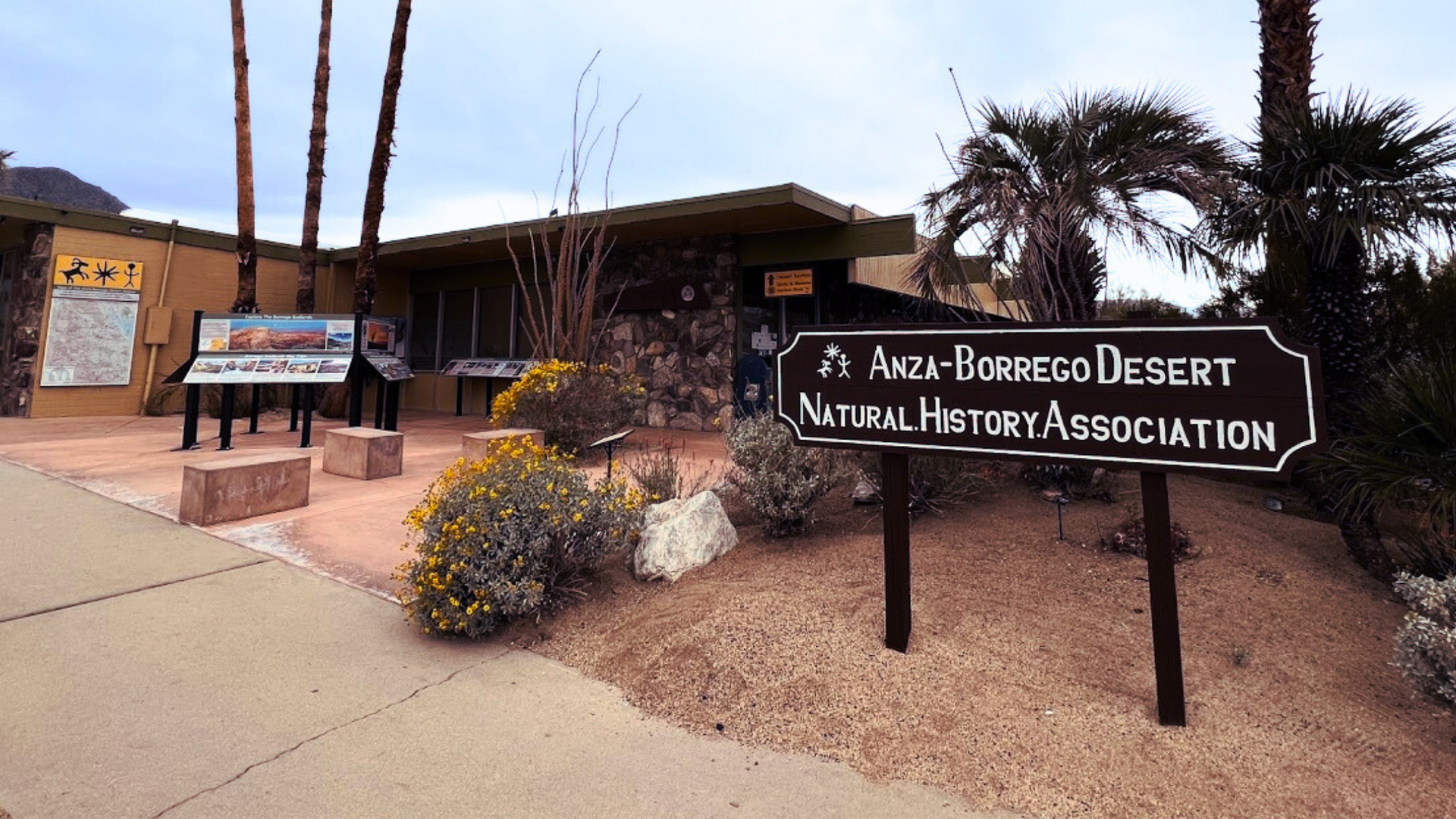
Anza-Borrego Desert Natural History Association

Uncover Anza-Borrego's wonders through education and exploration

ABDNHA Calendar of Events

Uncover Anza-Borrego's wonders through education and exploration

ABDNHA Calendar of Events
Anza-Borrego Desert Natural History Association
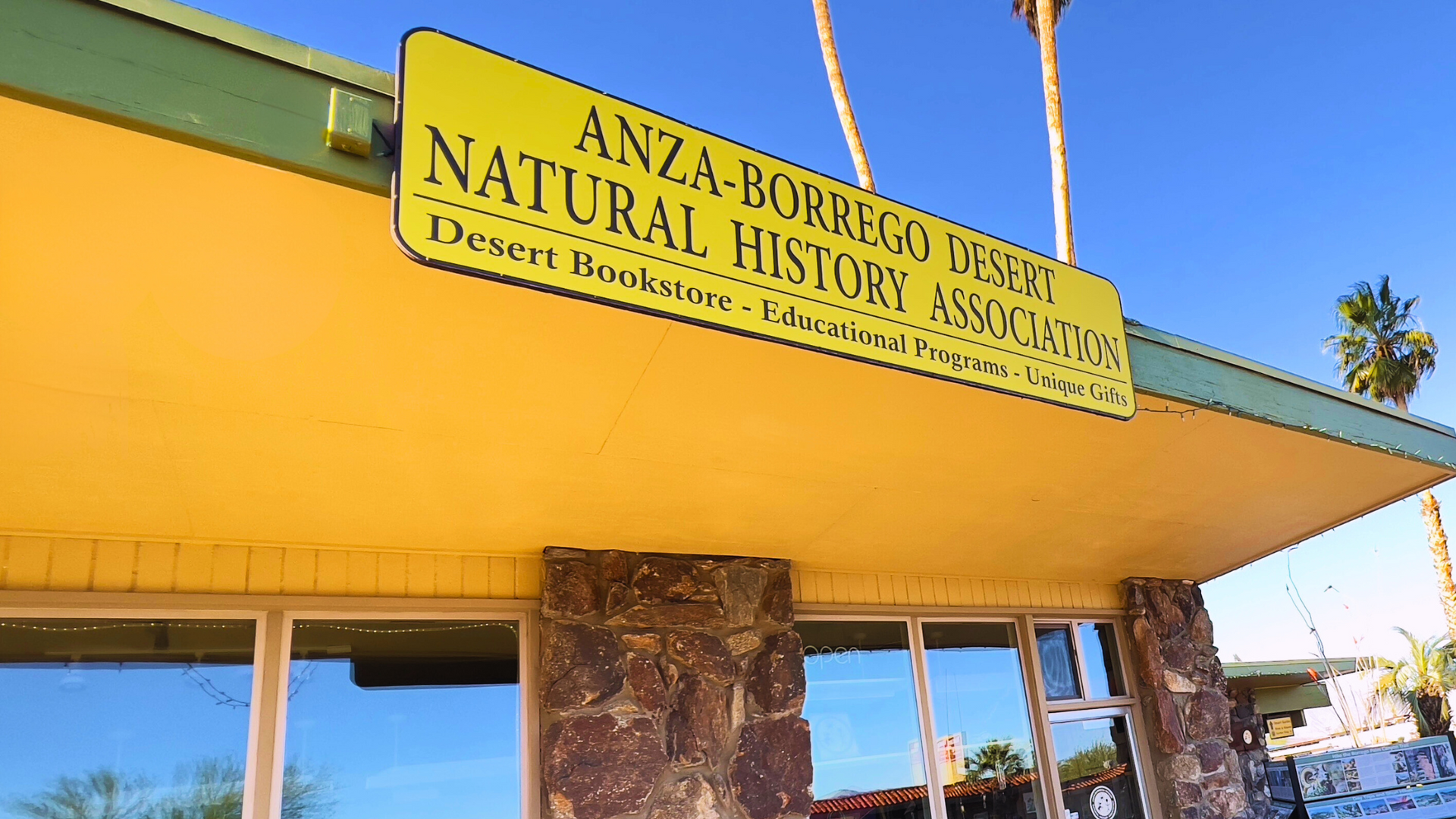
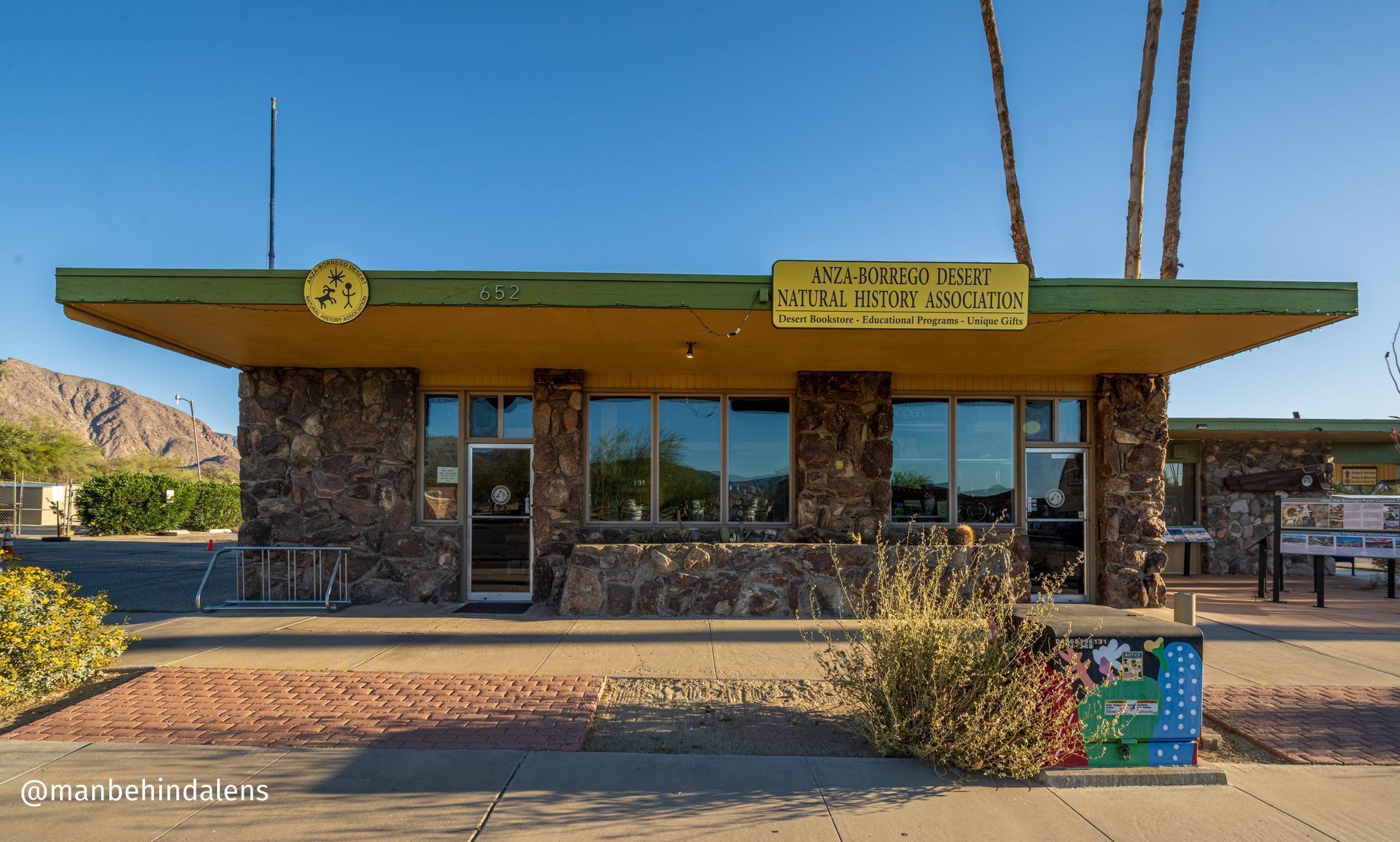
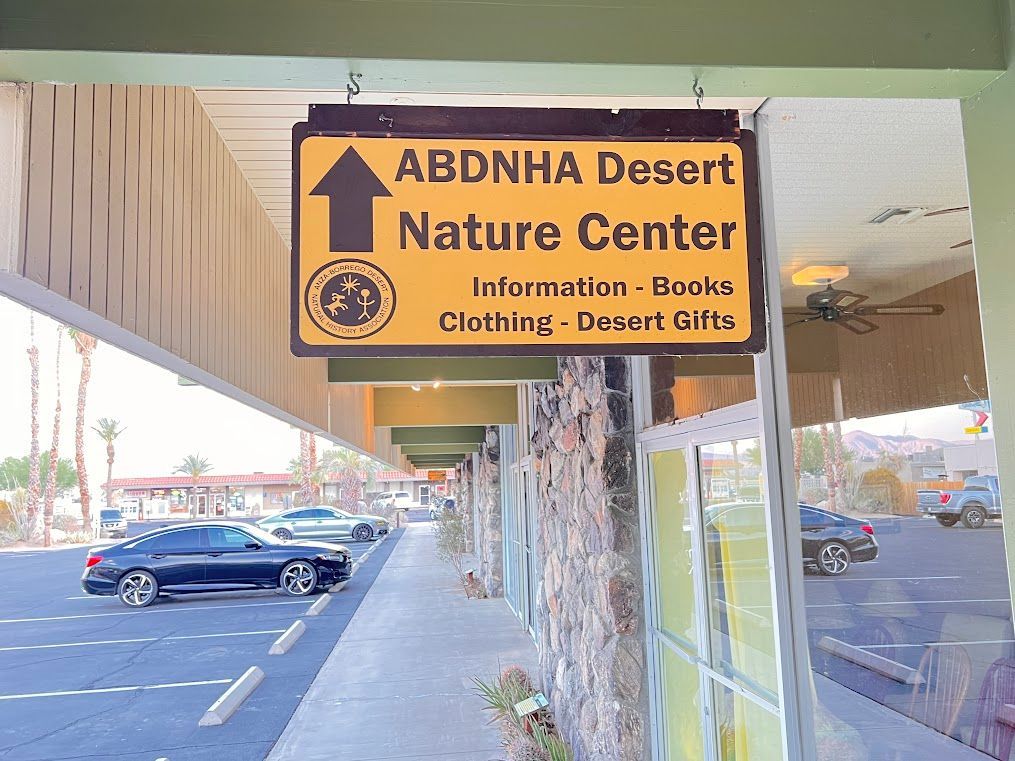
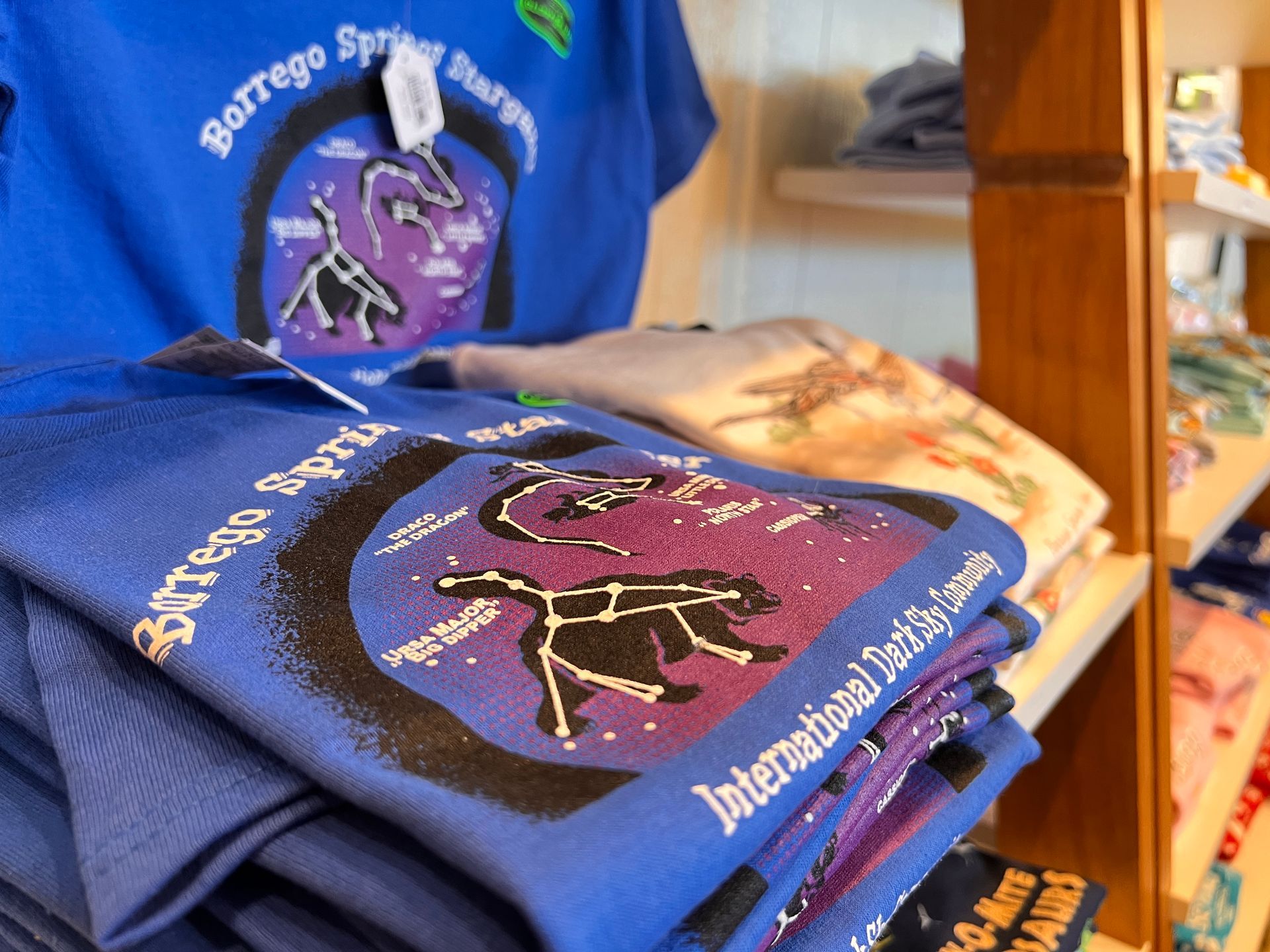
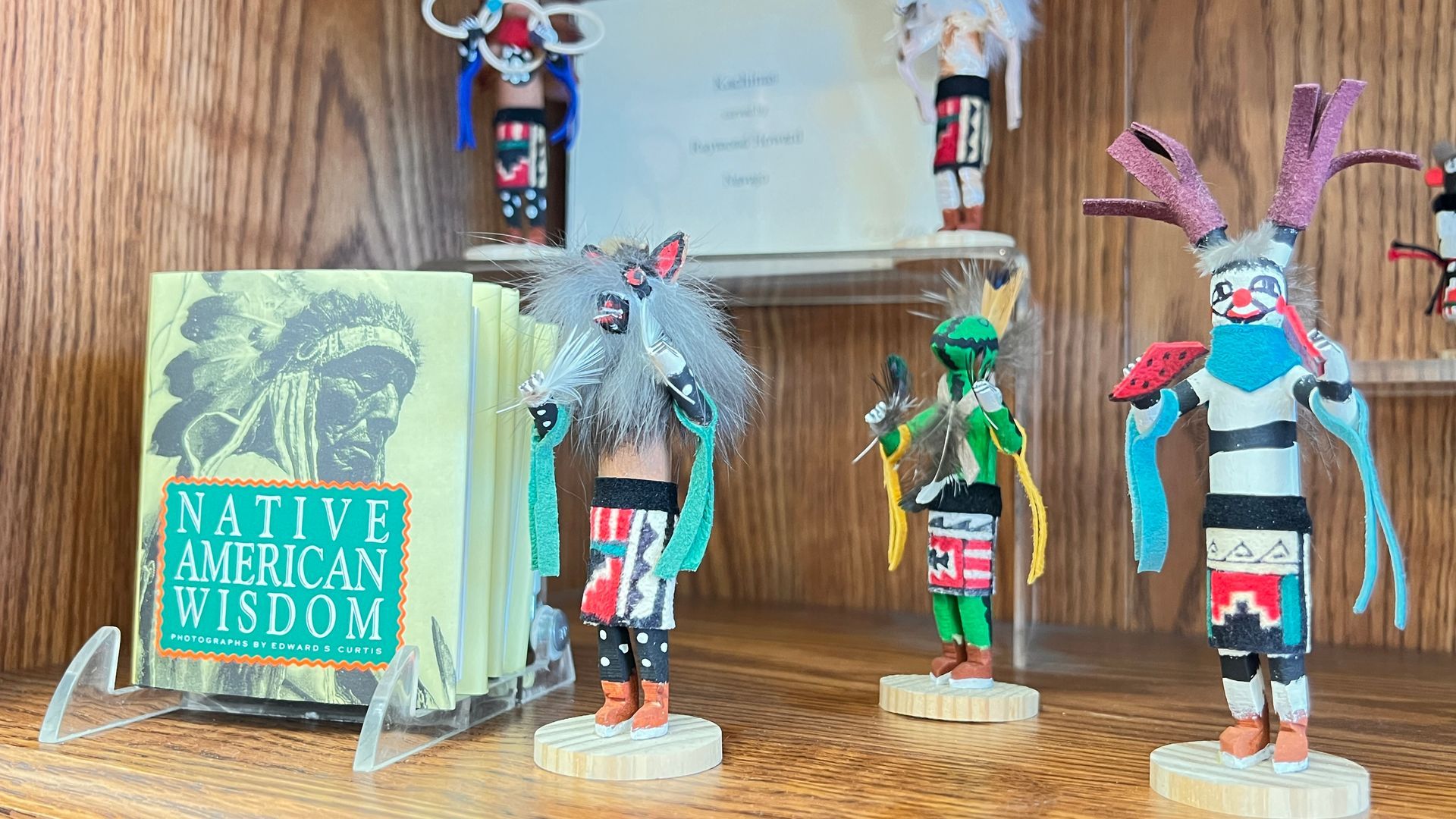
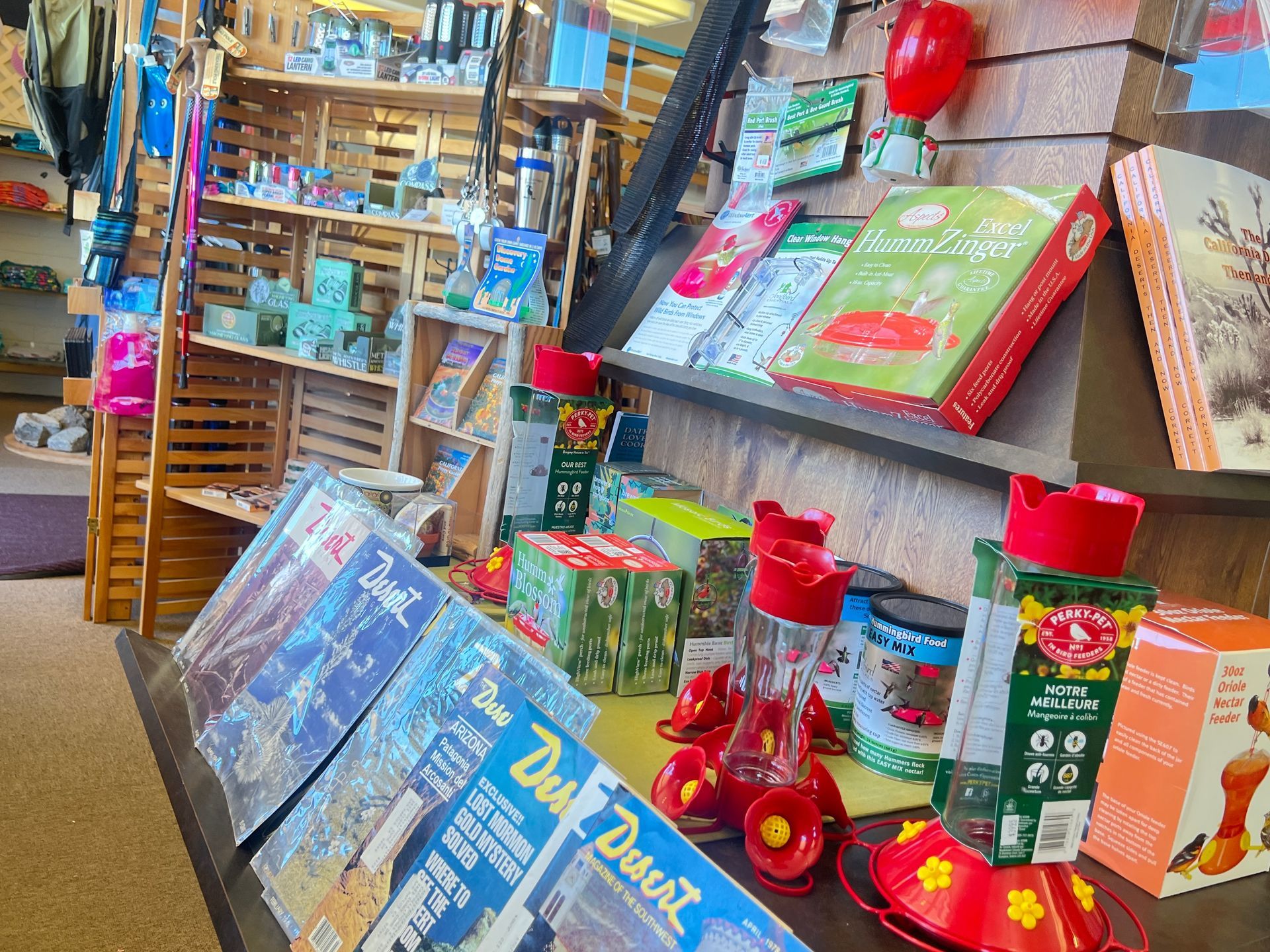
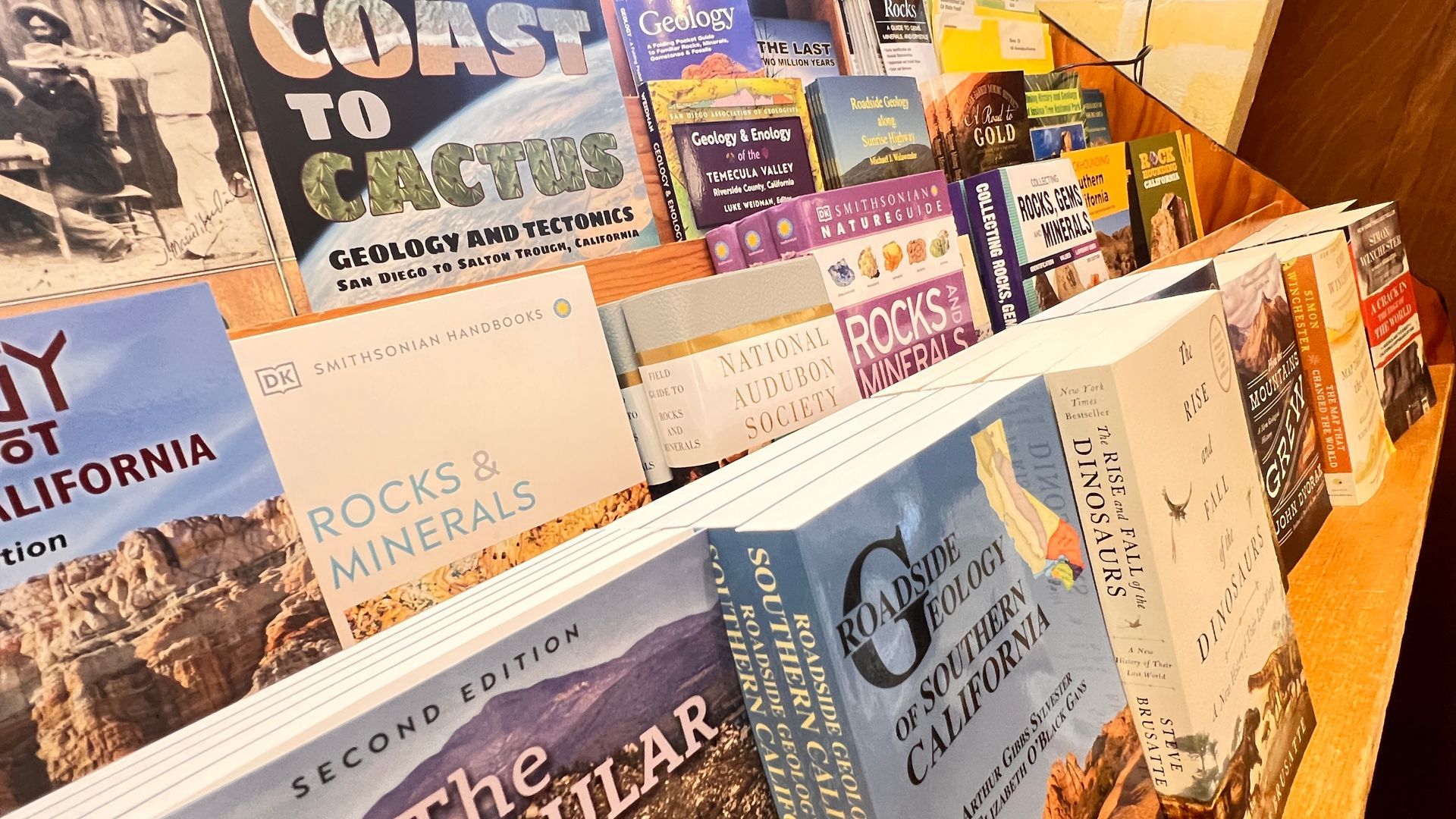
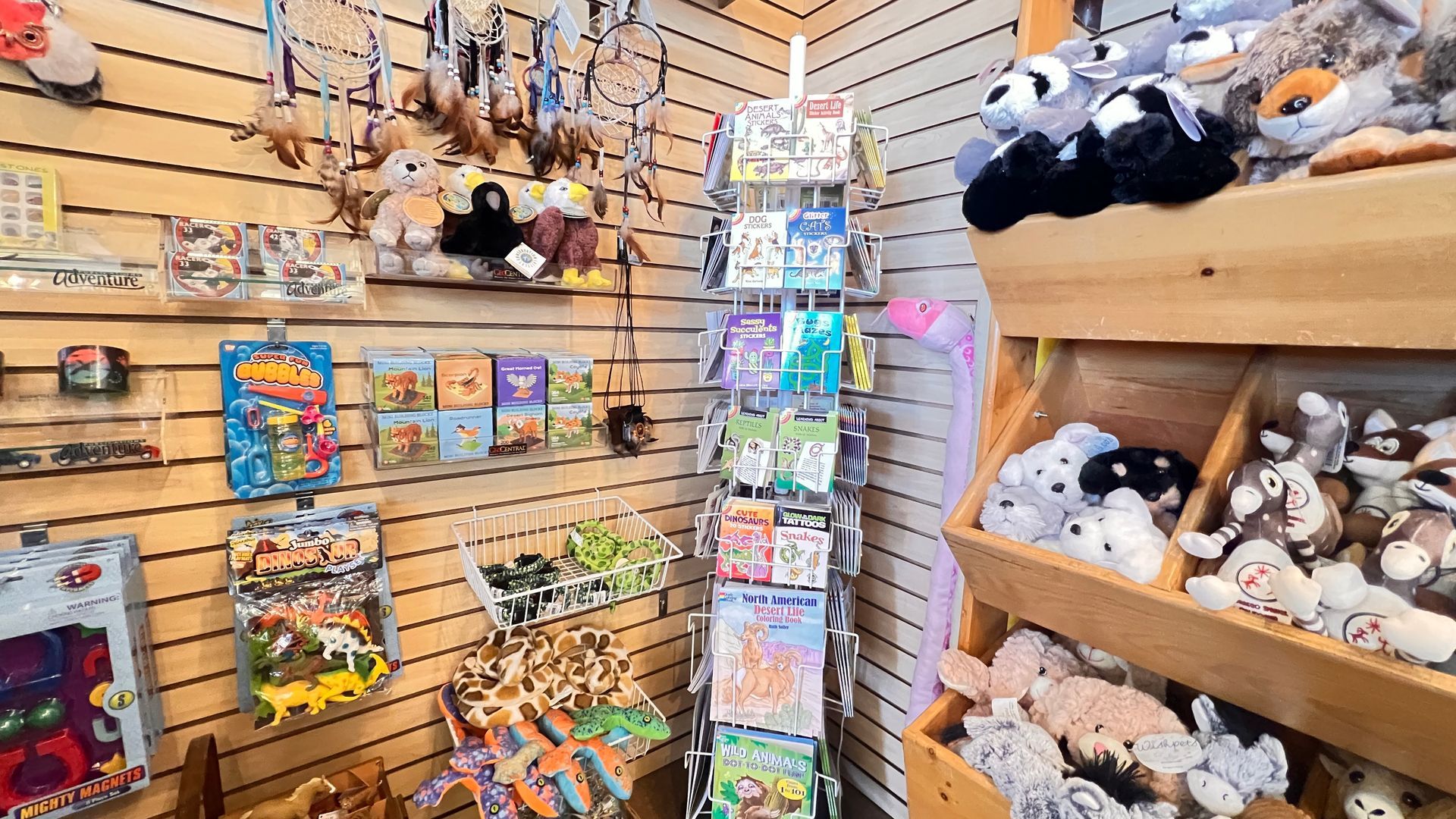
Visit ABDNHA's Desert Nature Center, Gift Shop In Borrego Springs
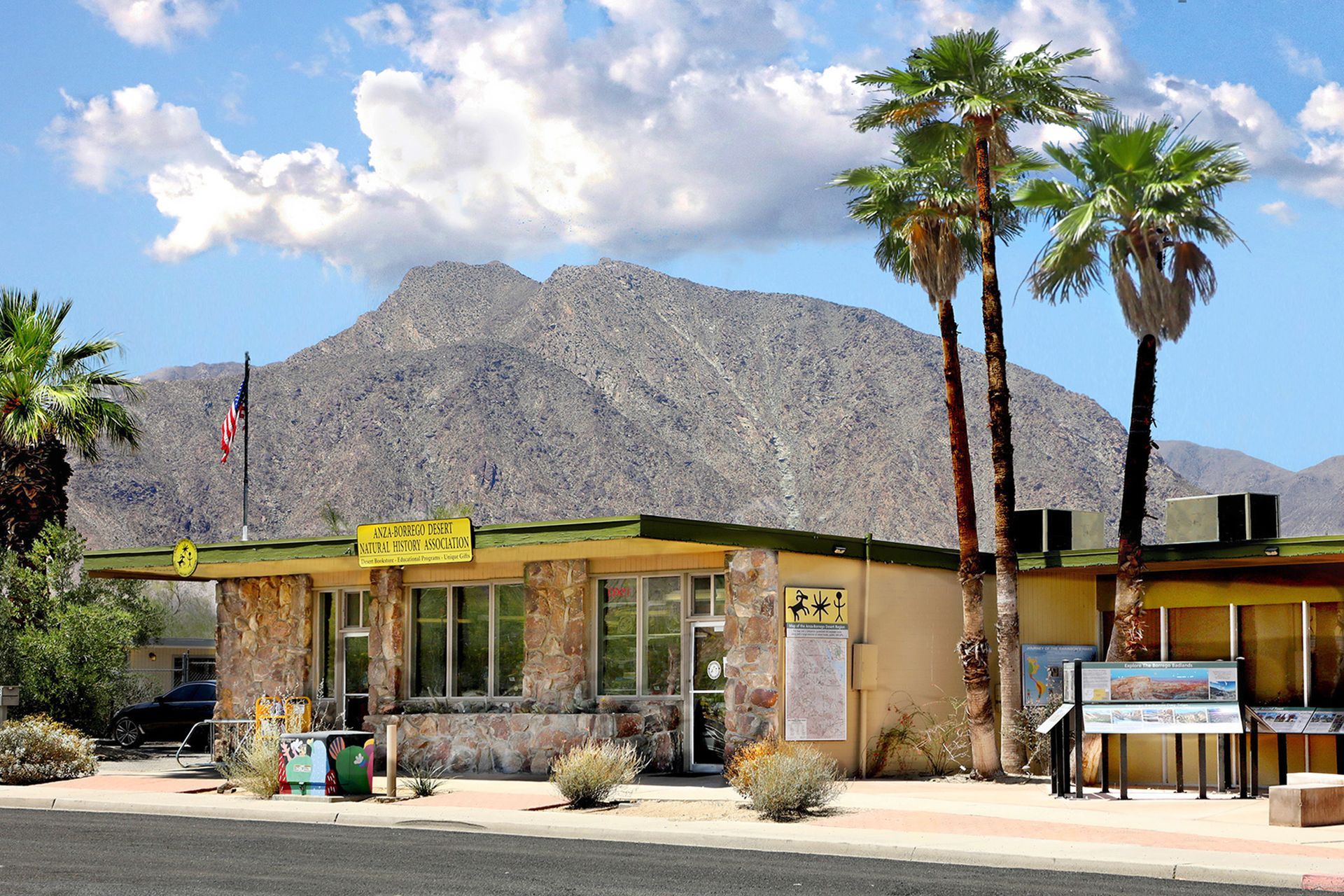
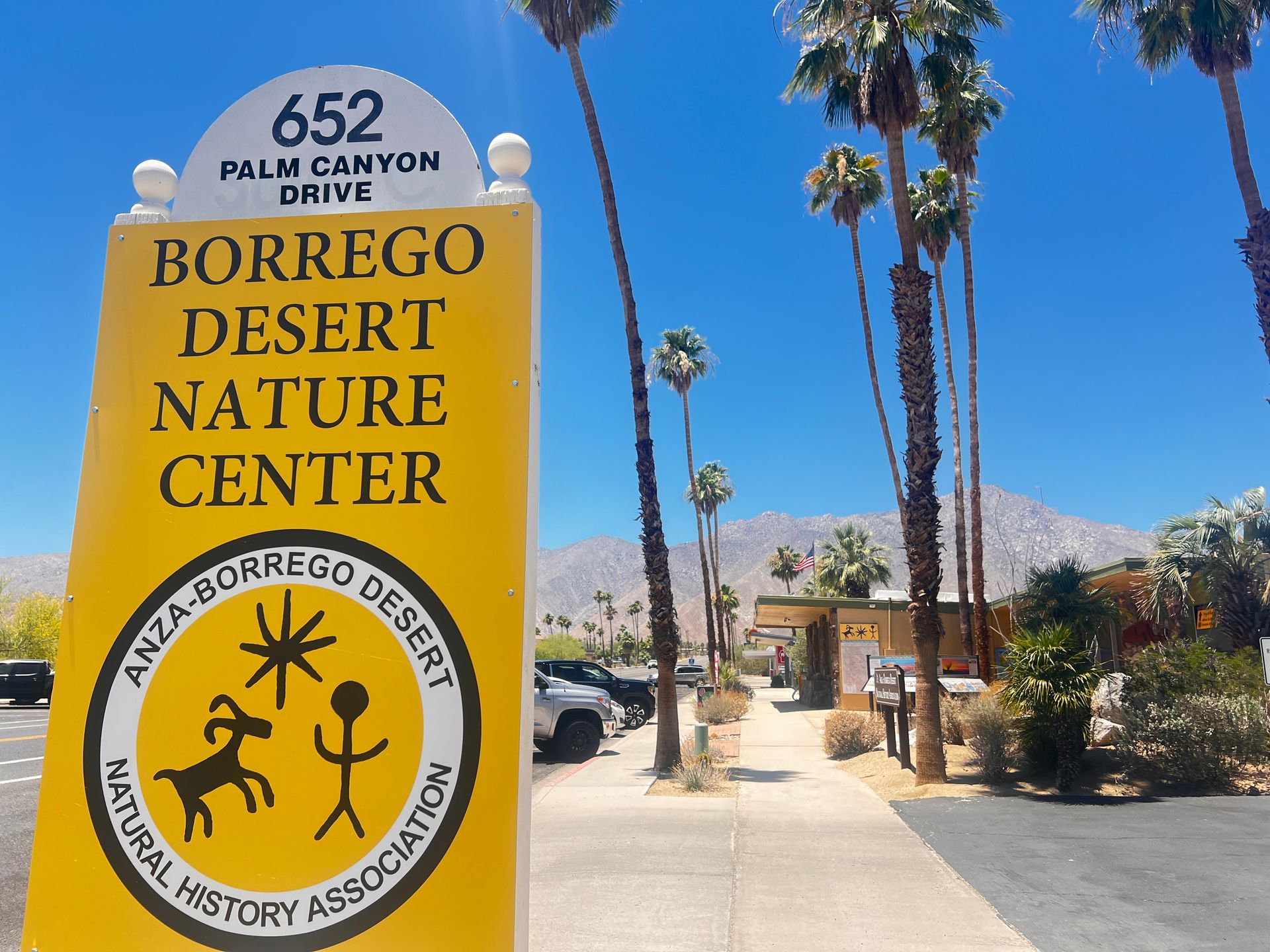
Your Local Source for Hiking Guides, Wildlife Books, Local Gifts, Expert Guidance, Educational Programs, and More, Located at 652 Palm Canyon Drive, Borrego Springs, CA.

Your Local Source for Hiking Guides, Wildlife Books, Local Gifts, Expert Guidance, Educational Programs, and More, Located at 652 Palm Canyon Drive, Borrego Springs, CA.

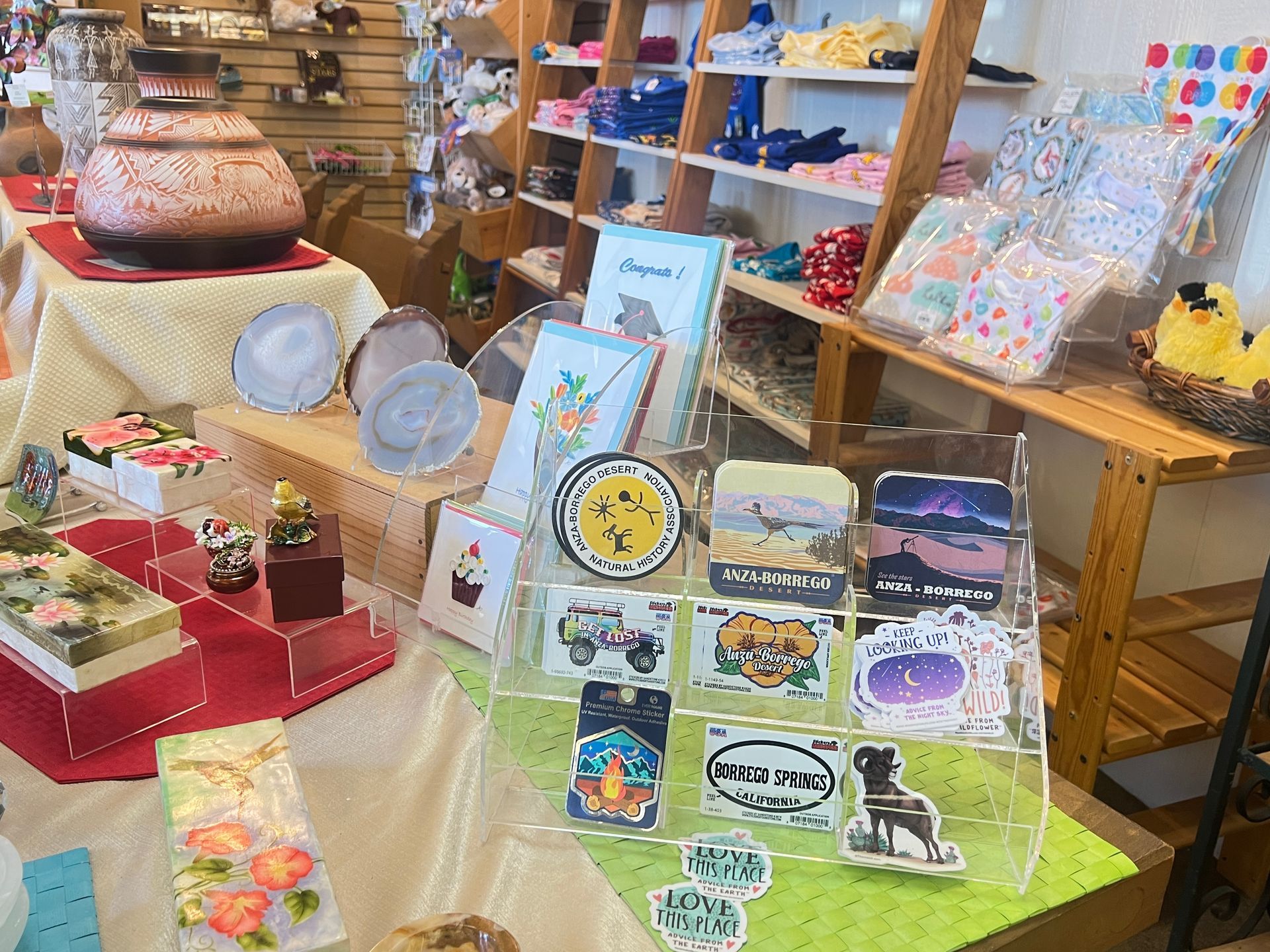
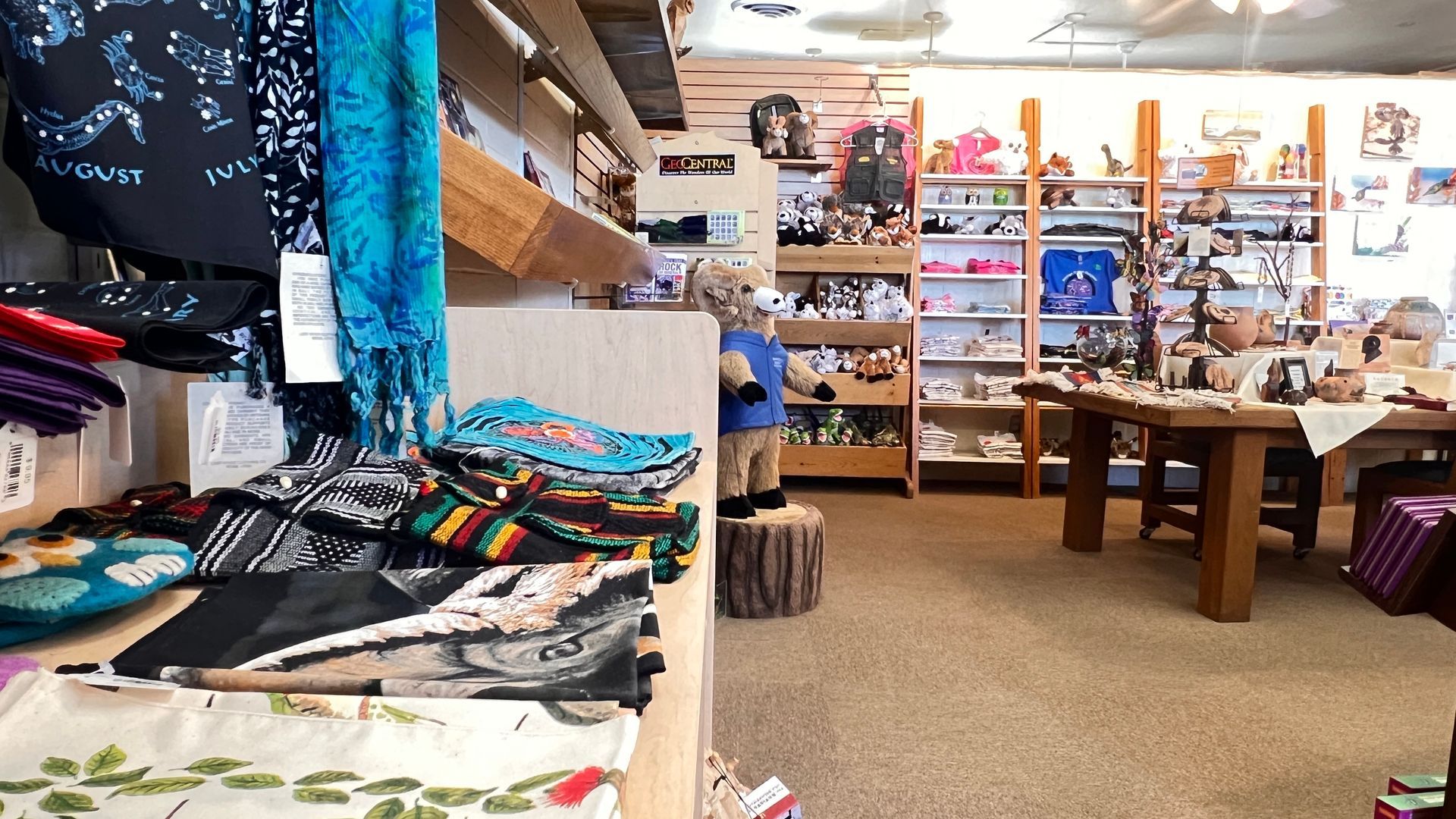
  • The Anza-Borrego Desert Natural History Association, gift shop

    Slide title

    Write your caption here
    Button
  • Slide title

    Write your caption here
    Button
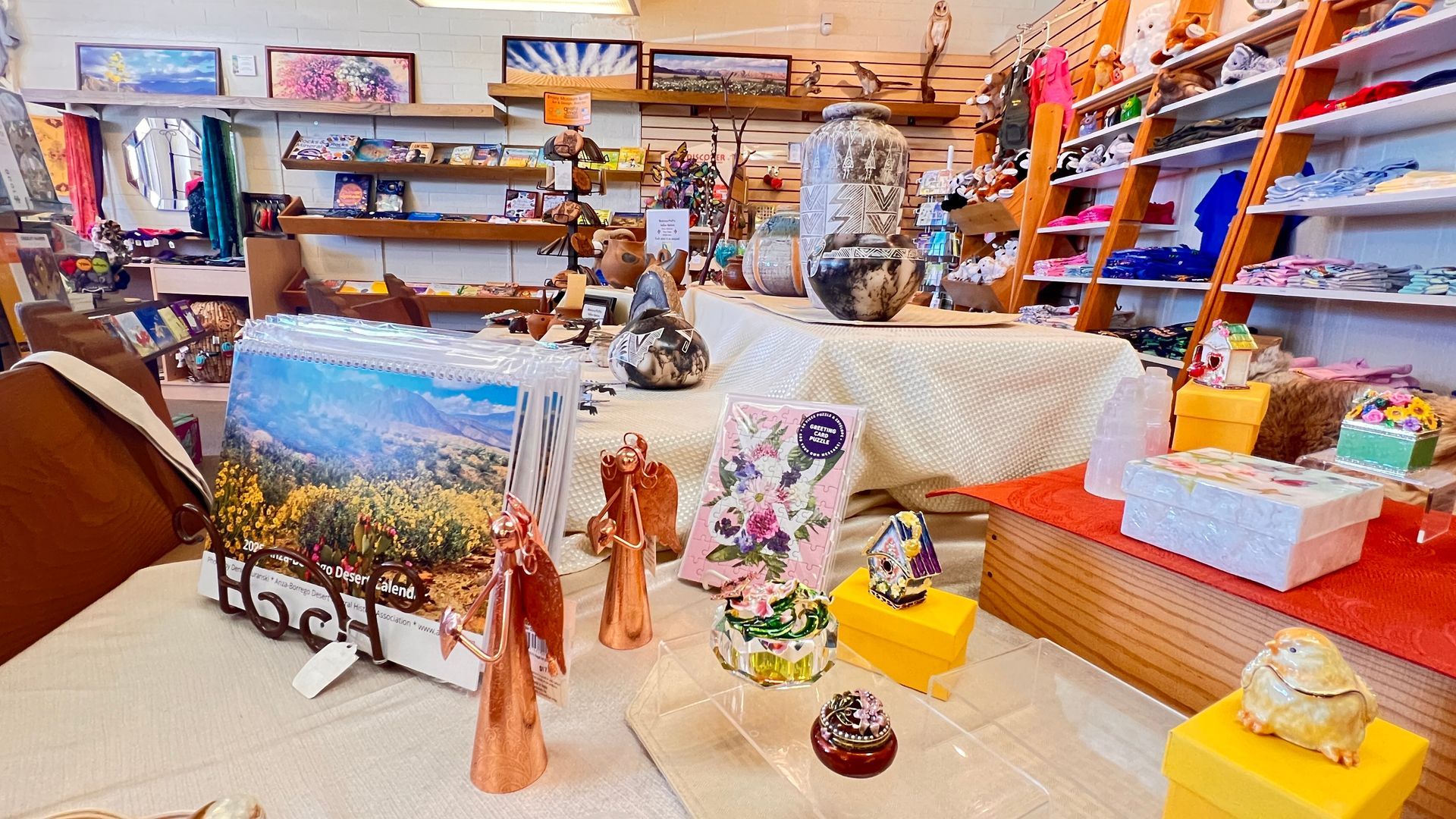
  • ABDNHA's Desert Nature Center, Gift Shop In Borrego Springs
    Slide title

    Write your caption here
    Button
  • ABDNHA's Desert Nature Center, Gift Shop In Borrego Springs
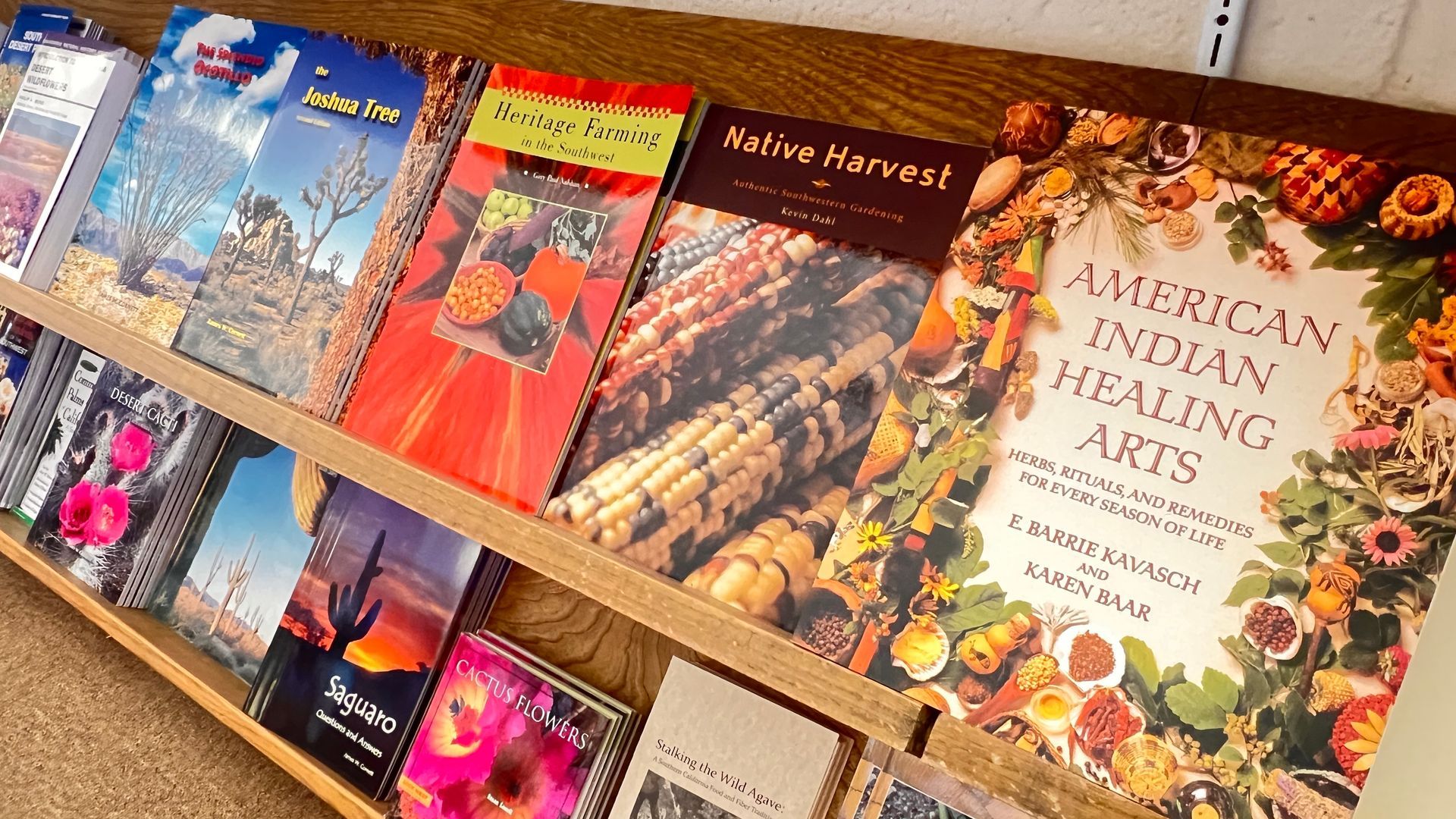
    Slide title

    Write your caption here
    Button
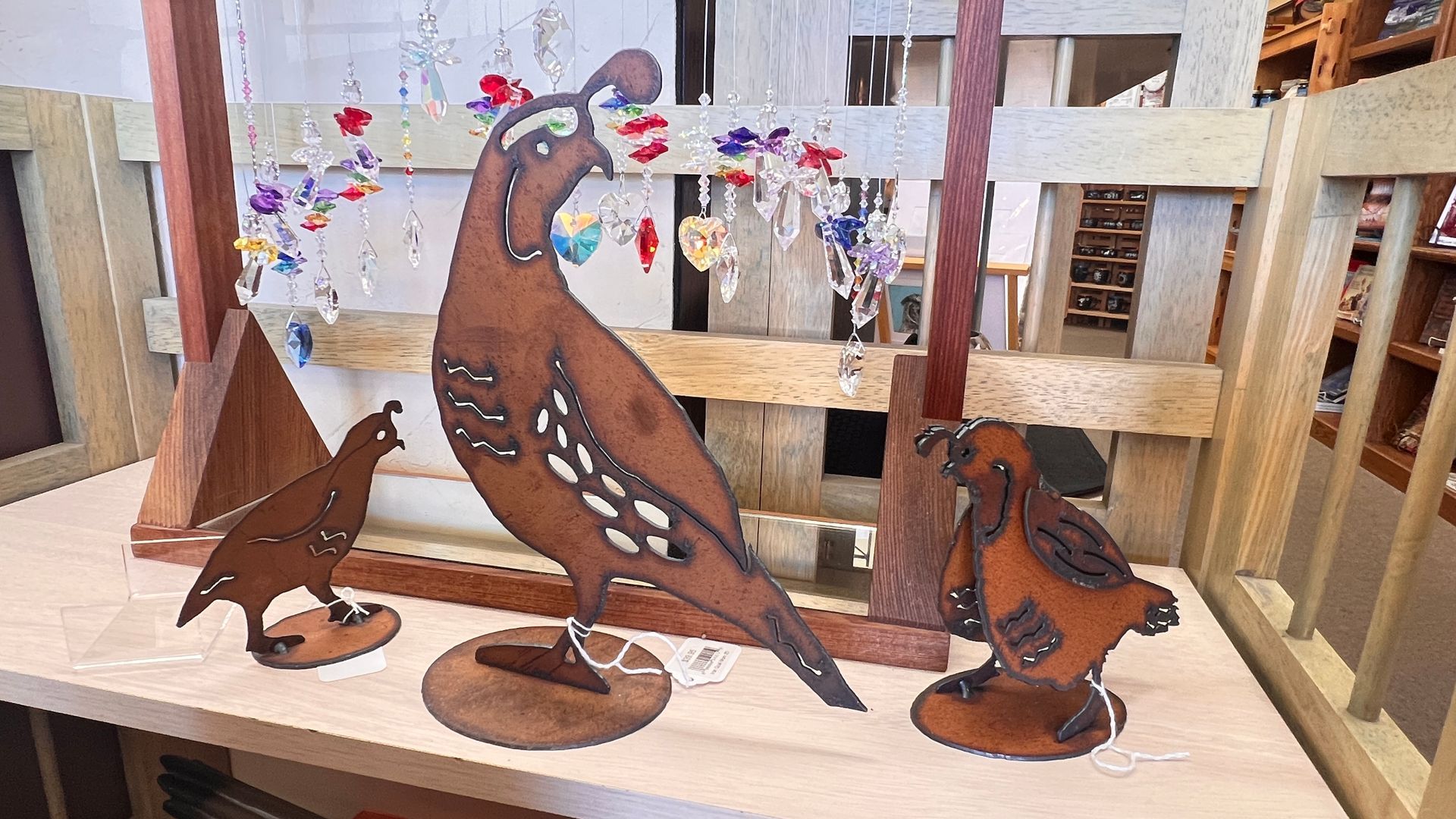
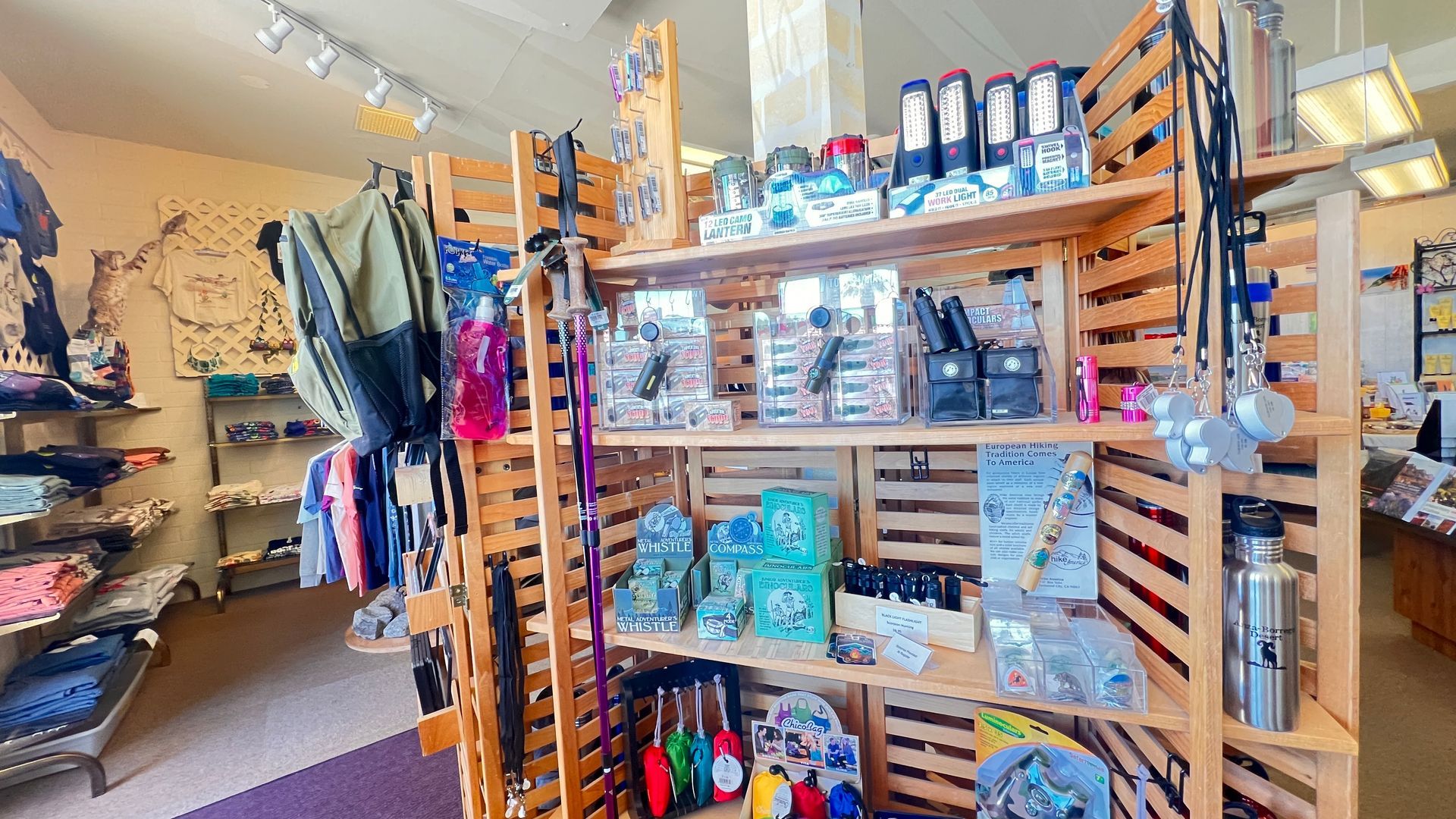
  • The Anza-Borrego Desert Natural History Association, gift shop products

    Slide title

    Write your caption here
    Button
  • ABDNHA's Desert Nature Center, Gift Shop In Borrego Springs
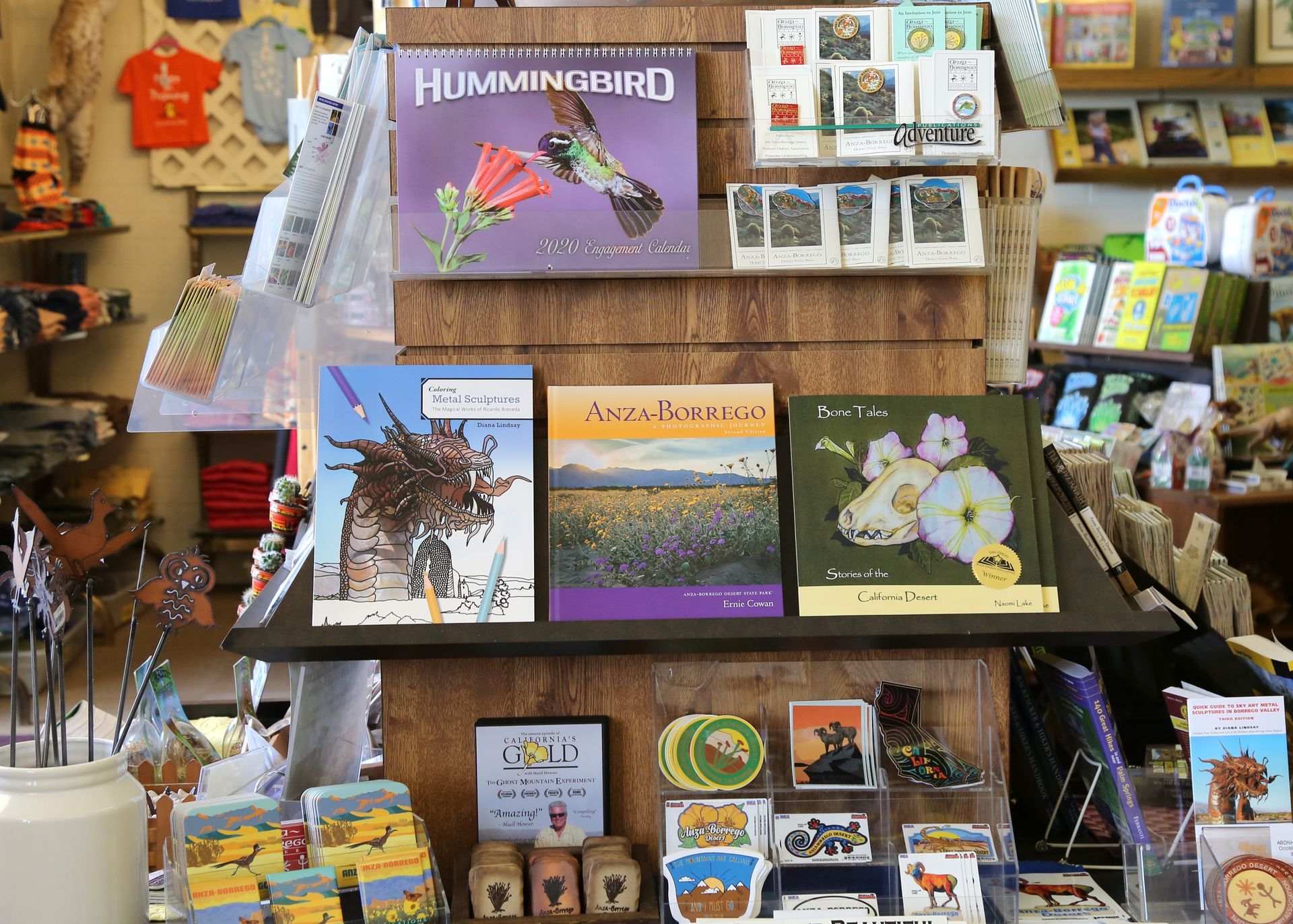
    Slide title

    Write your caption here
    Button
  • The Anza-Borrego Desert Natural History Association, gift shop stickers

    Slide title

    Write your caption here
    Button
  • ABDNHA's Desert Nature Center, Gift Shop In Borrego Springs
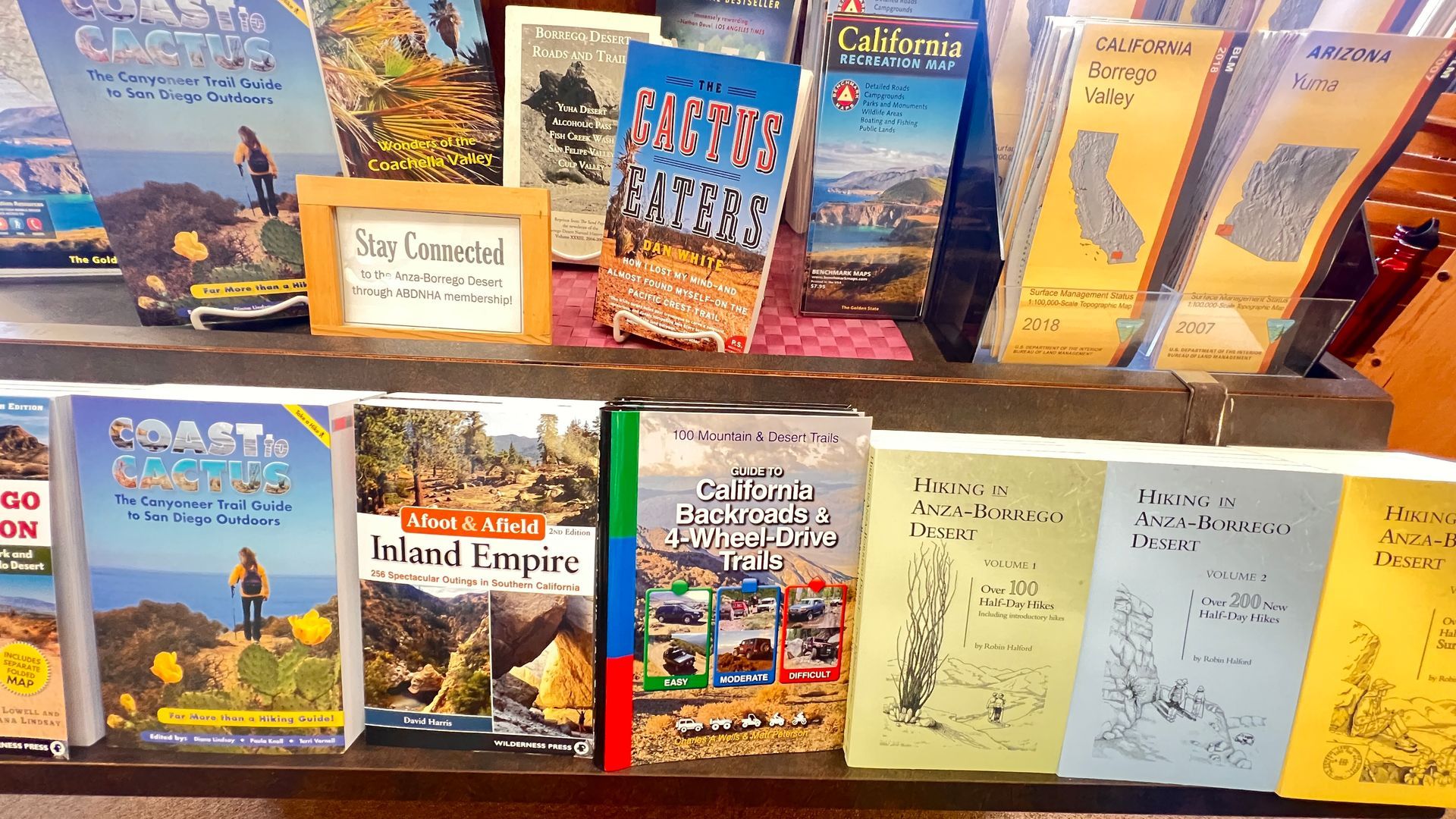
    Slide title

    Write your caption here
    Button
  • ABDNHA's Desert Nature Center, Gift Shop In Borrego Springs
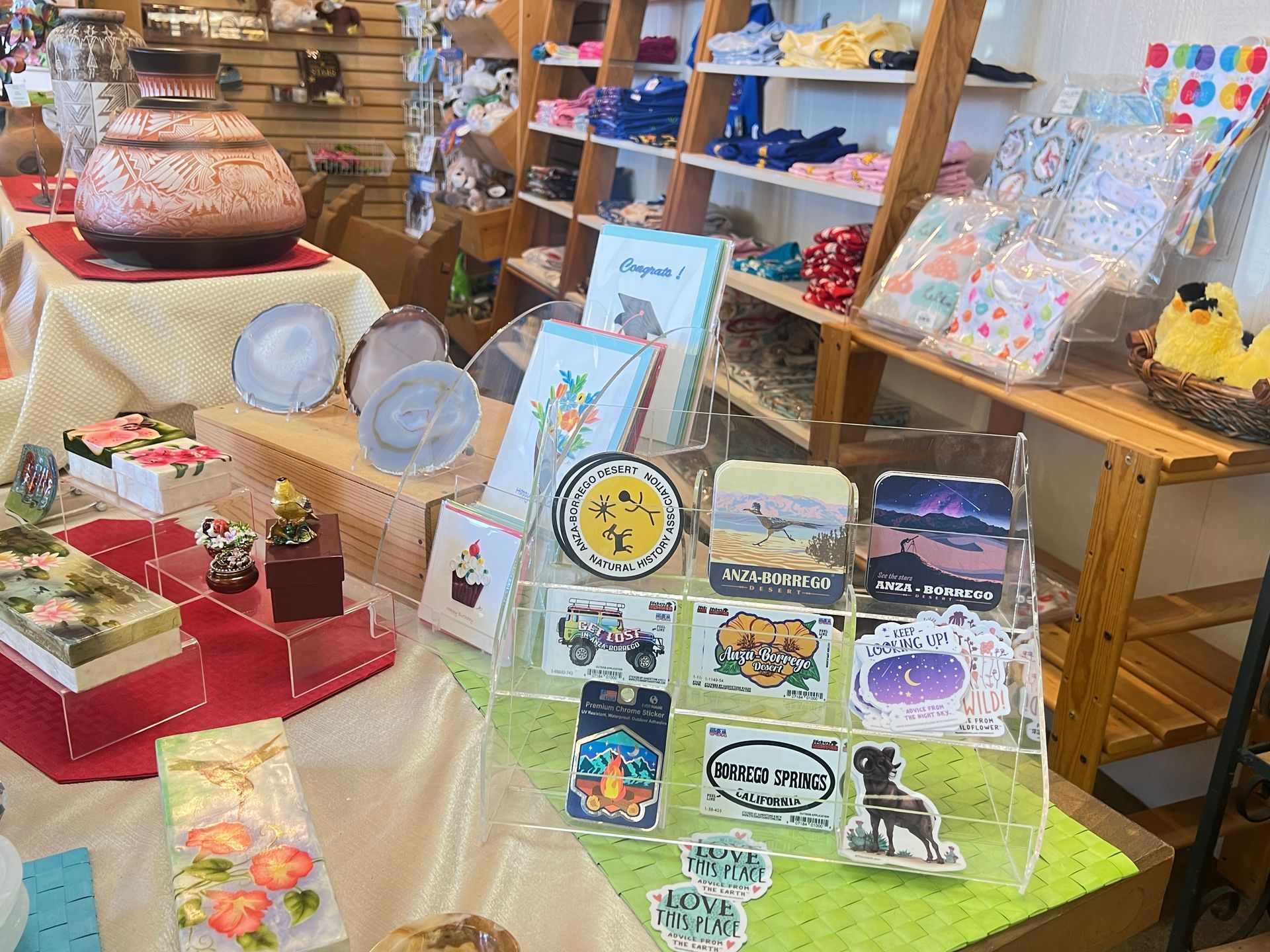
    Slide title

    Write your caption here
    Button
  • Slide title

    Write your caption here
    Button
  • The Anza-Borrego Desert Natural History Association, gift shop, coffee cups

    Slide title

    Write your caption here
    Button
  • ABDNHA's Desert Nature Center, Gift Shop In Borrego Springs
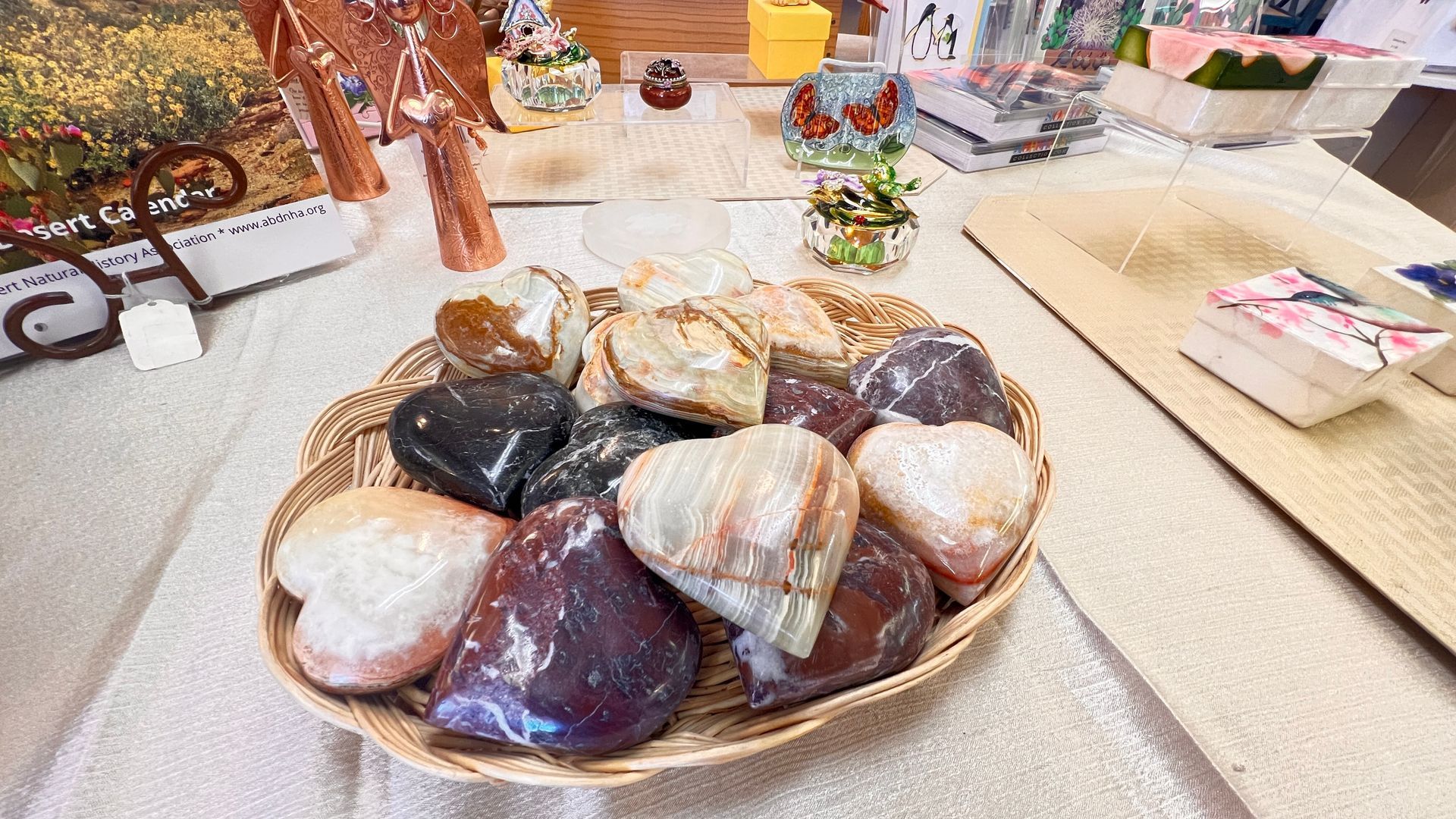
    Slide title

    Write your caption here
    Button
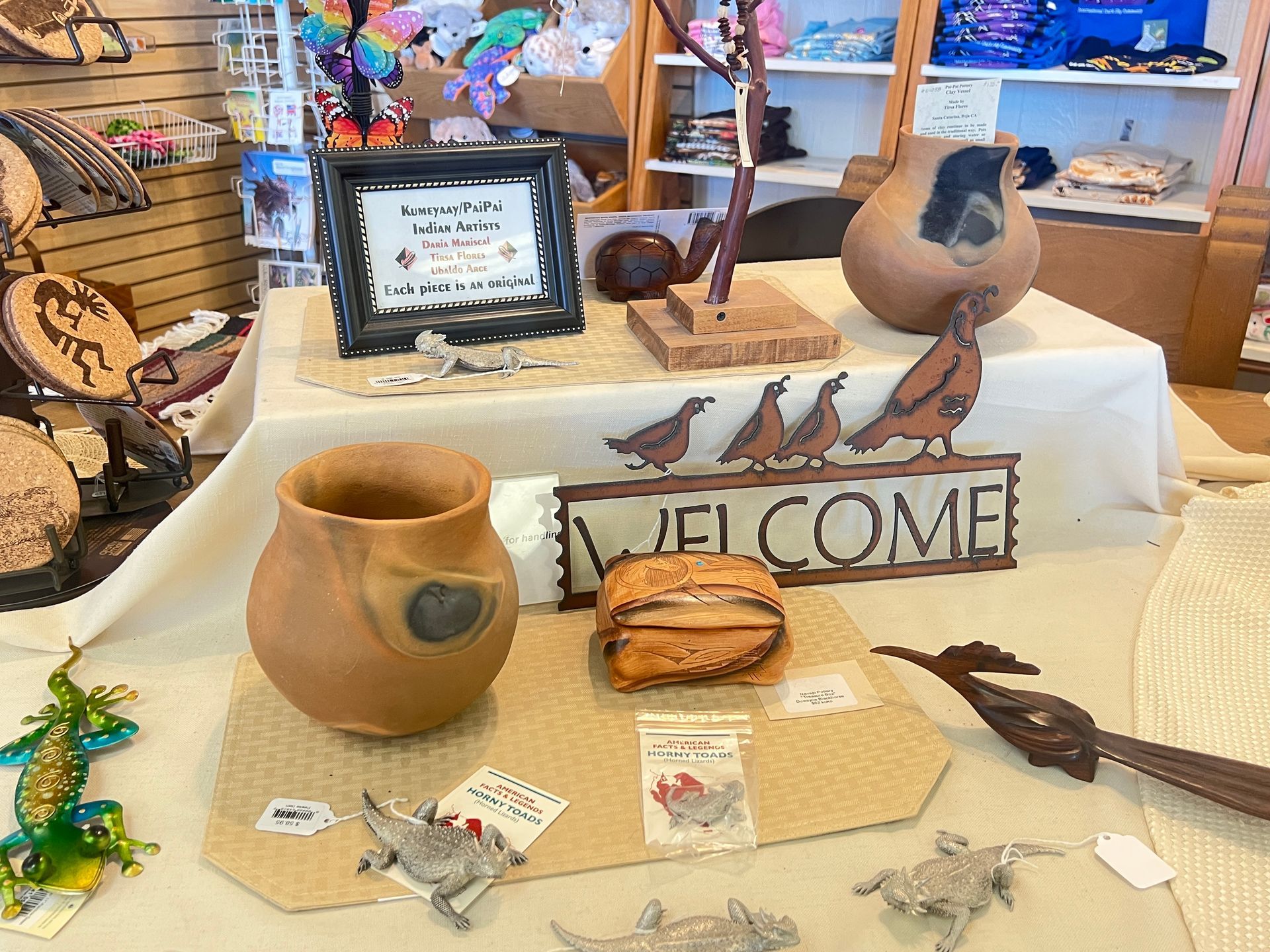
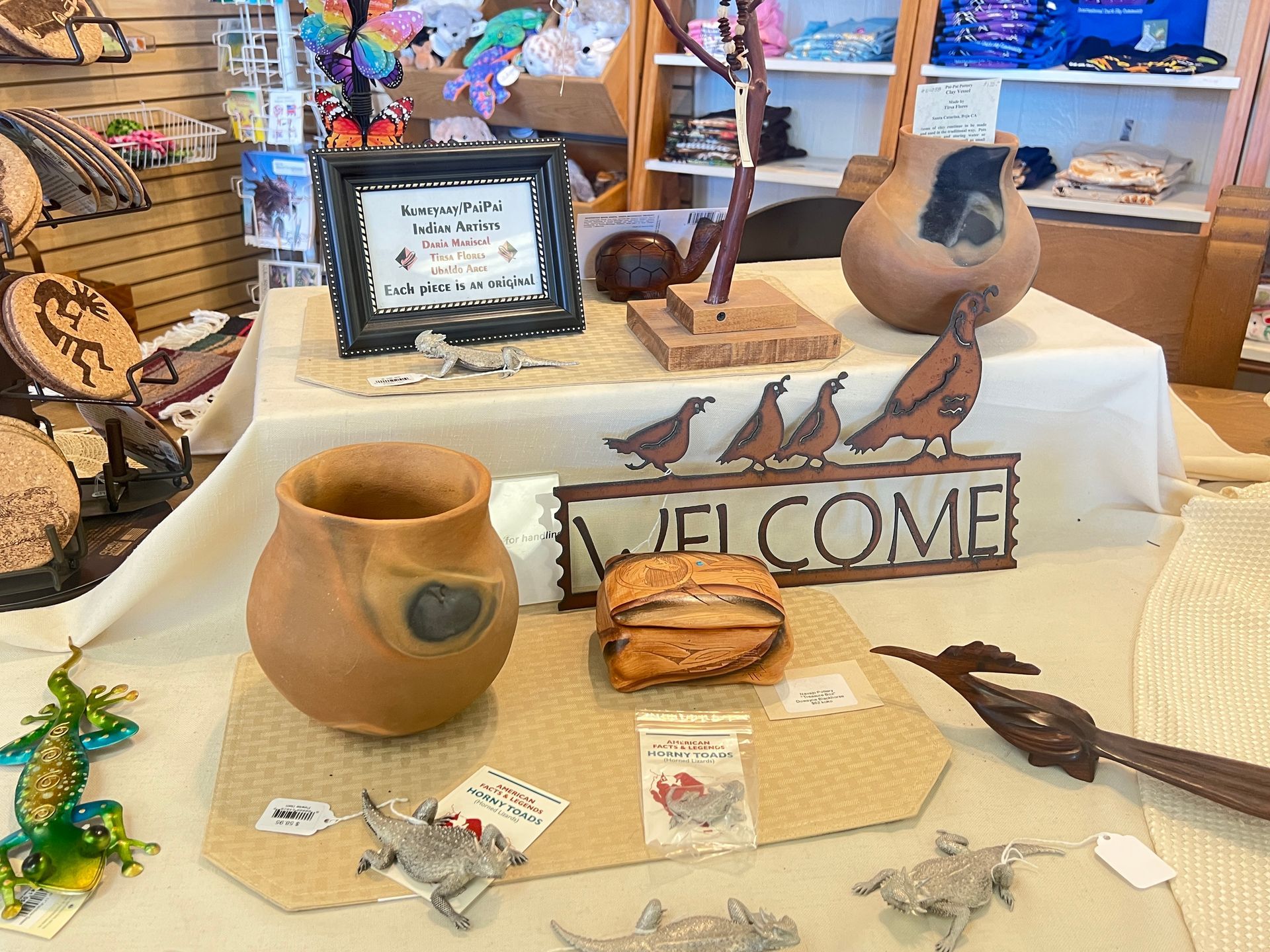
  • The Anza-Borrego Desert Natural History Association, gift shop, pottery

    Slide title

    Write your caption here
    Button
  • ABDNHA's Desert Nature Center, Gift Shop In Borrego Springs
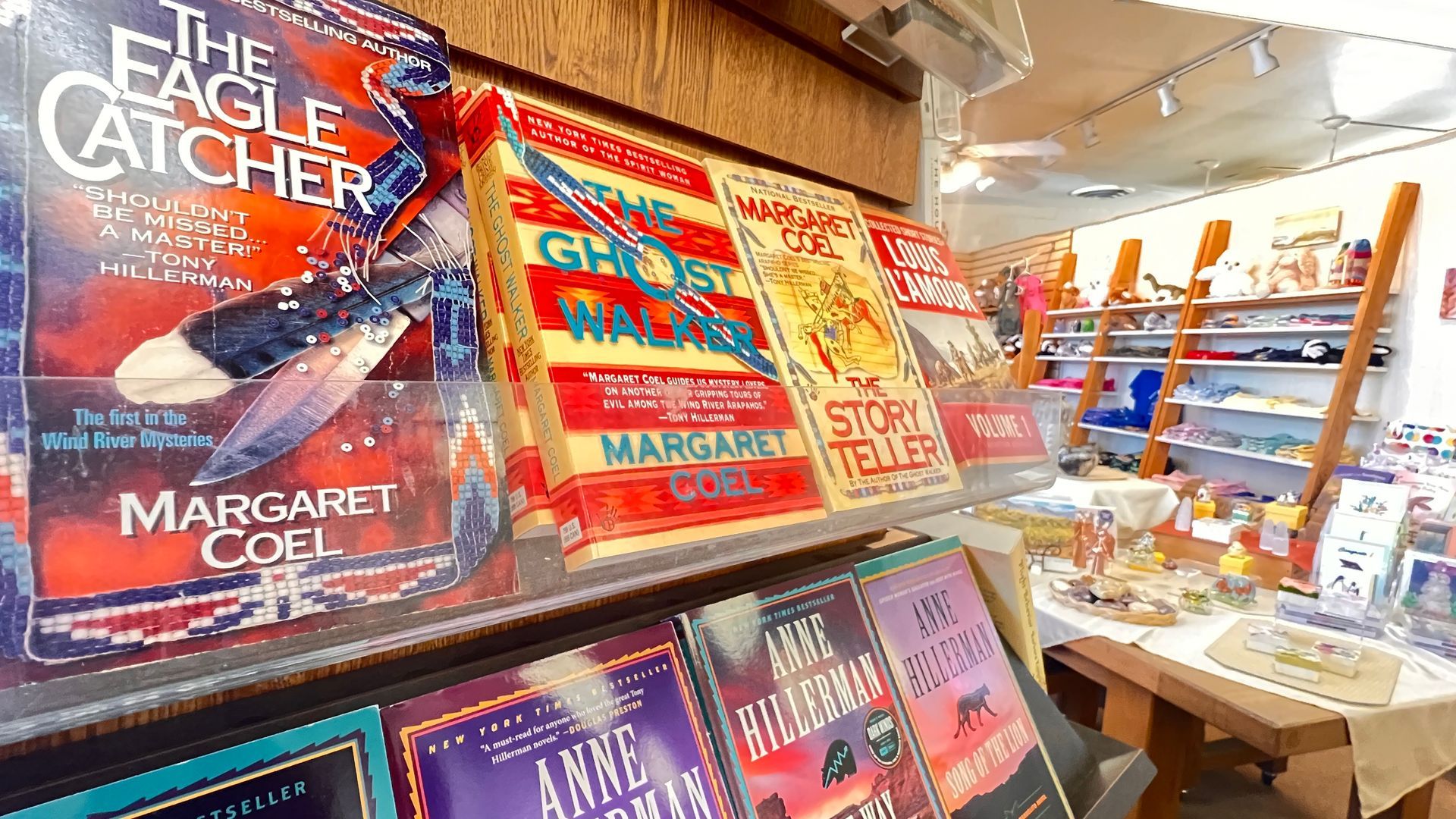
    Slide title

    Write your caption here
    Button
  • ABDNHA's Desert Nature Center, Gift Shop In Borrego Springs
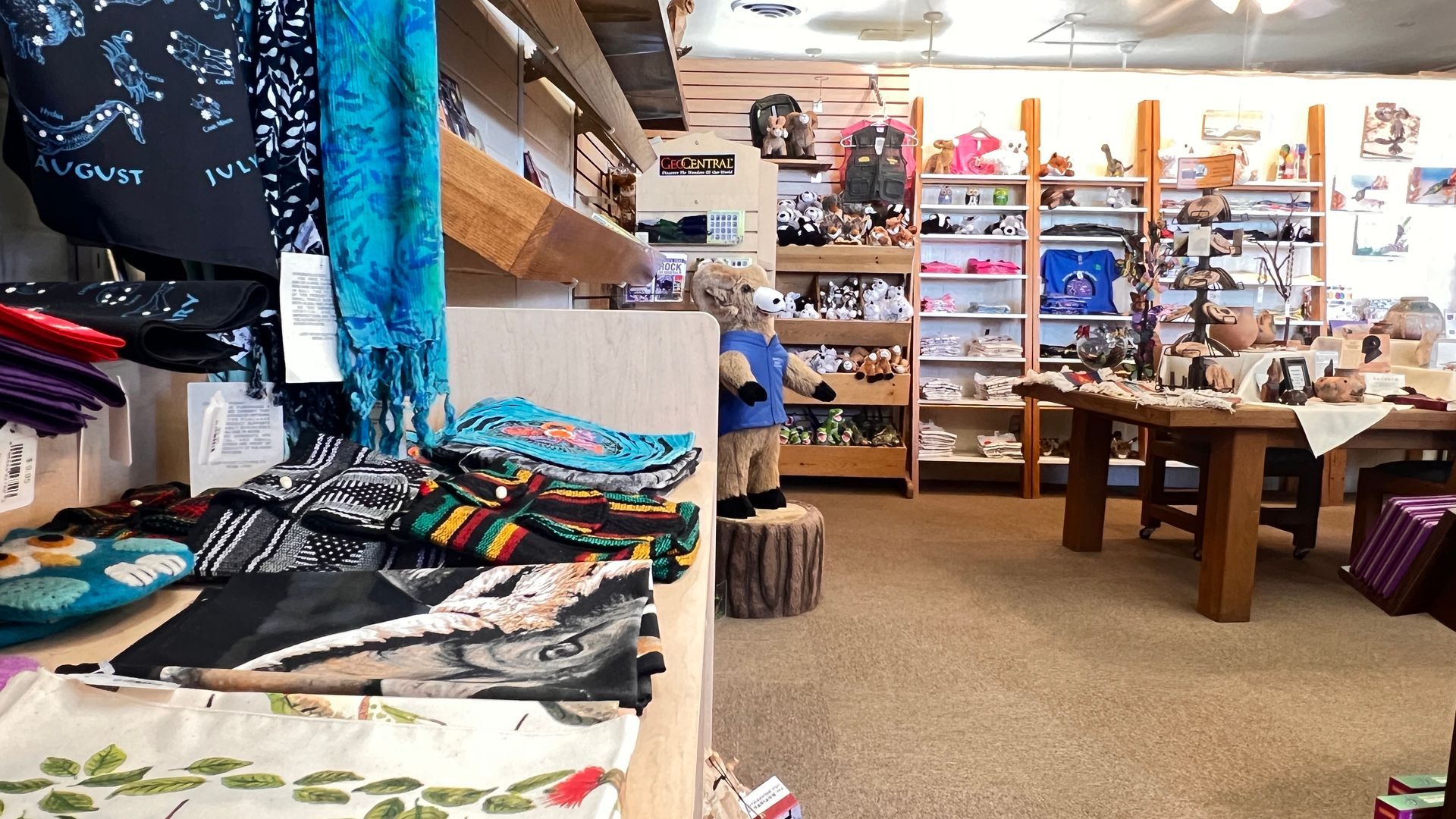
    Slide title

    Write your caption here
    Button
  • ABDNHA's Desert Nature Center, Gift Shop In Borrego Springs

    Slide title

    Write your caption here
    Button
Shop ABDNHA Online

Support the Borrego Springs Community Concert Association's mission to educate and entertain through eclectic musical events. Your tax-deductible donations fund concerts for the community and local schools, sustaining the arts in Borrego Springs since 1975. 501c3 Non-Profit Corporation.


Shop ABDNHA Online

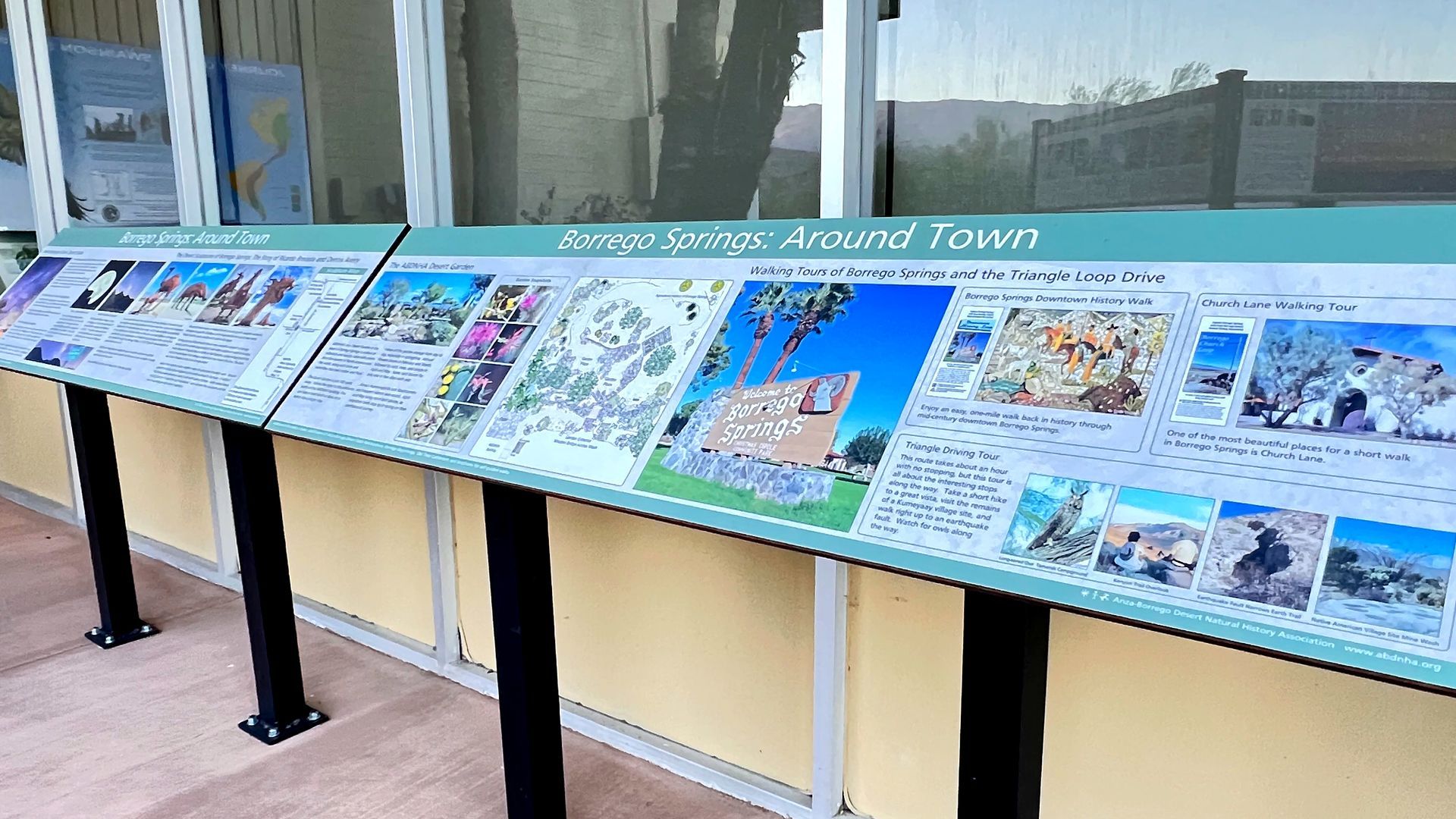
ABDNHA Visitor Plaza

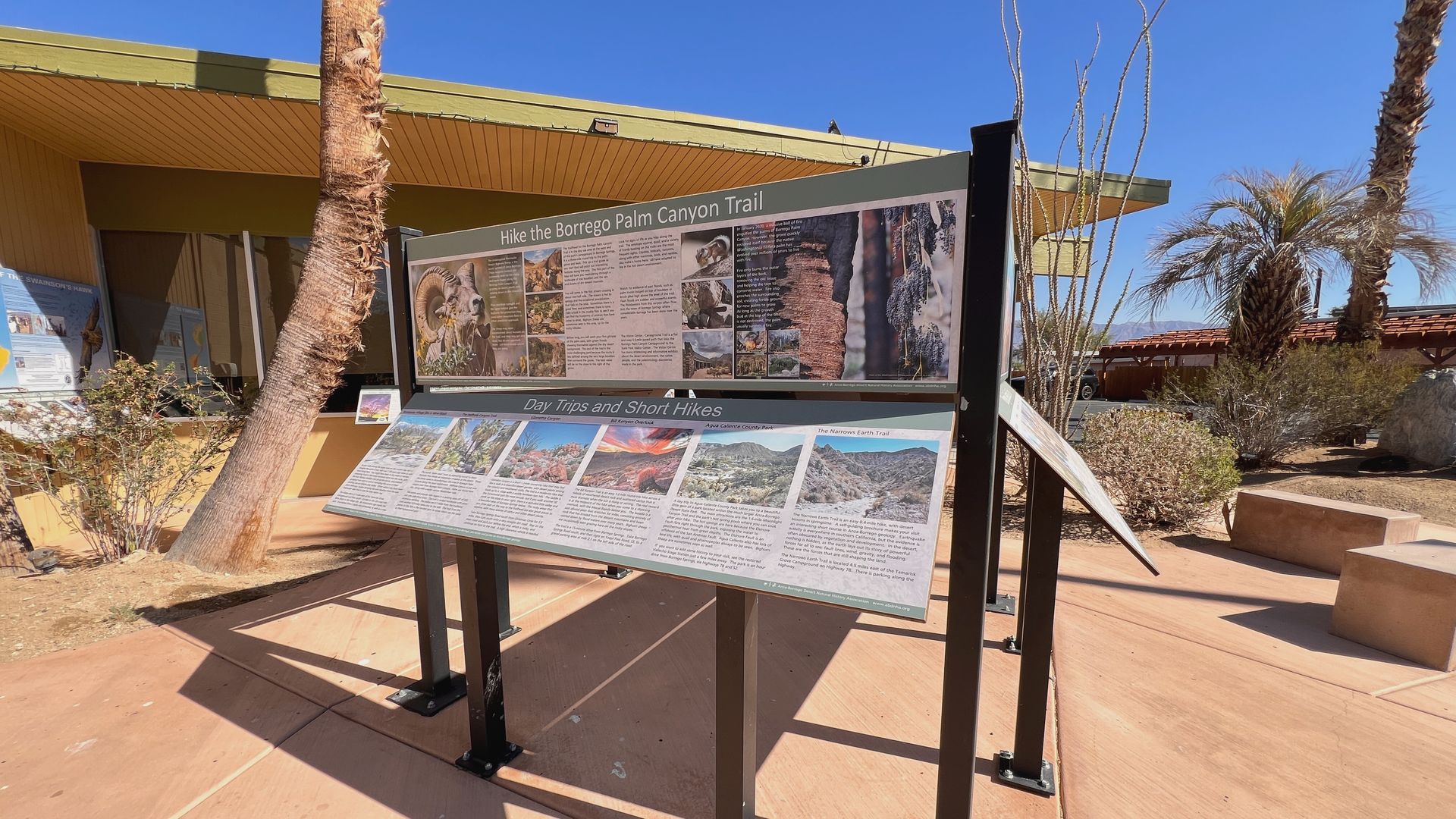
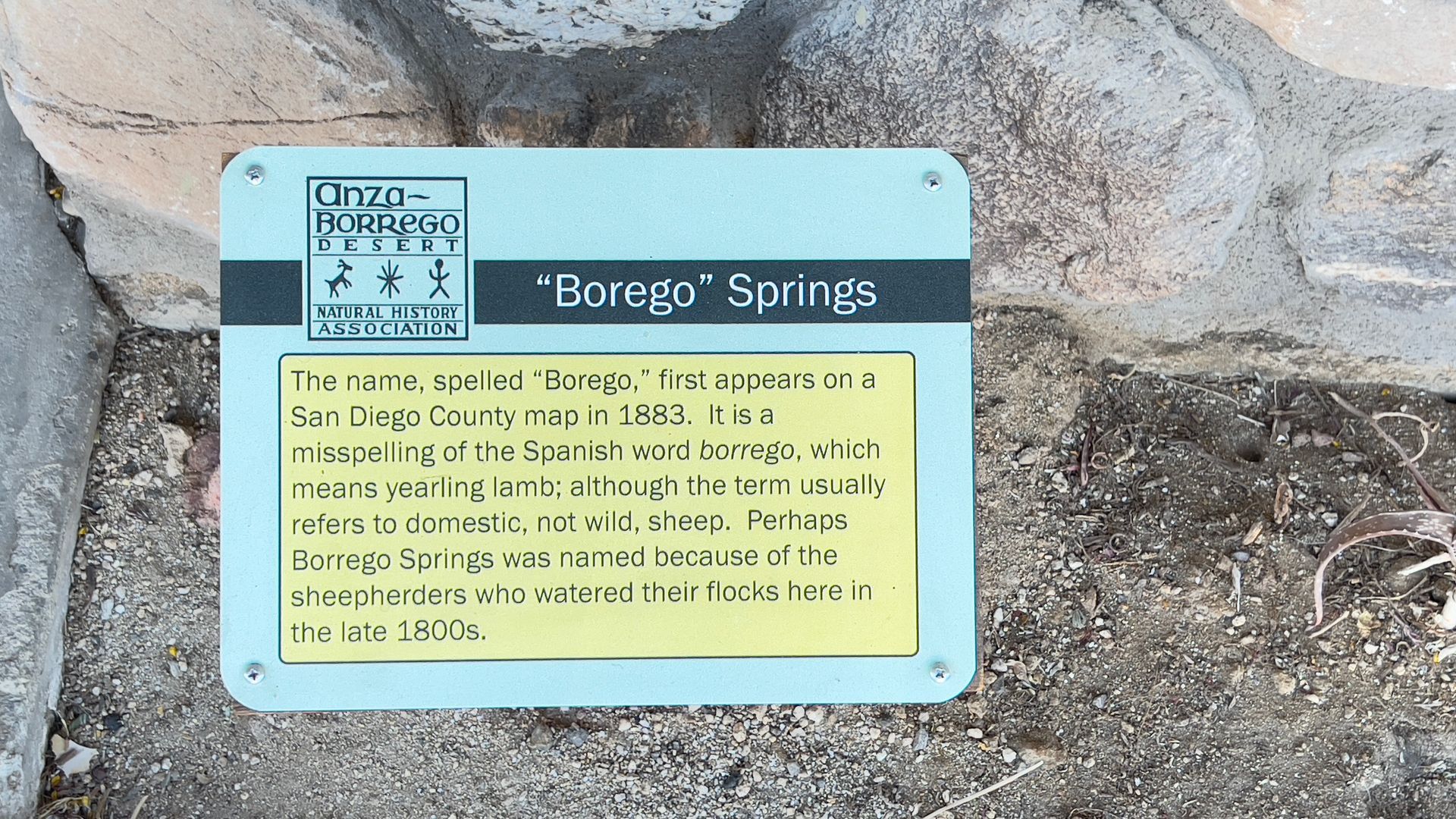
Take a leisurely walk around the building for enriching lessons on the area's history, geology, and wildlife, enhancing your Anza-Borrego Desert experience.
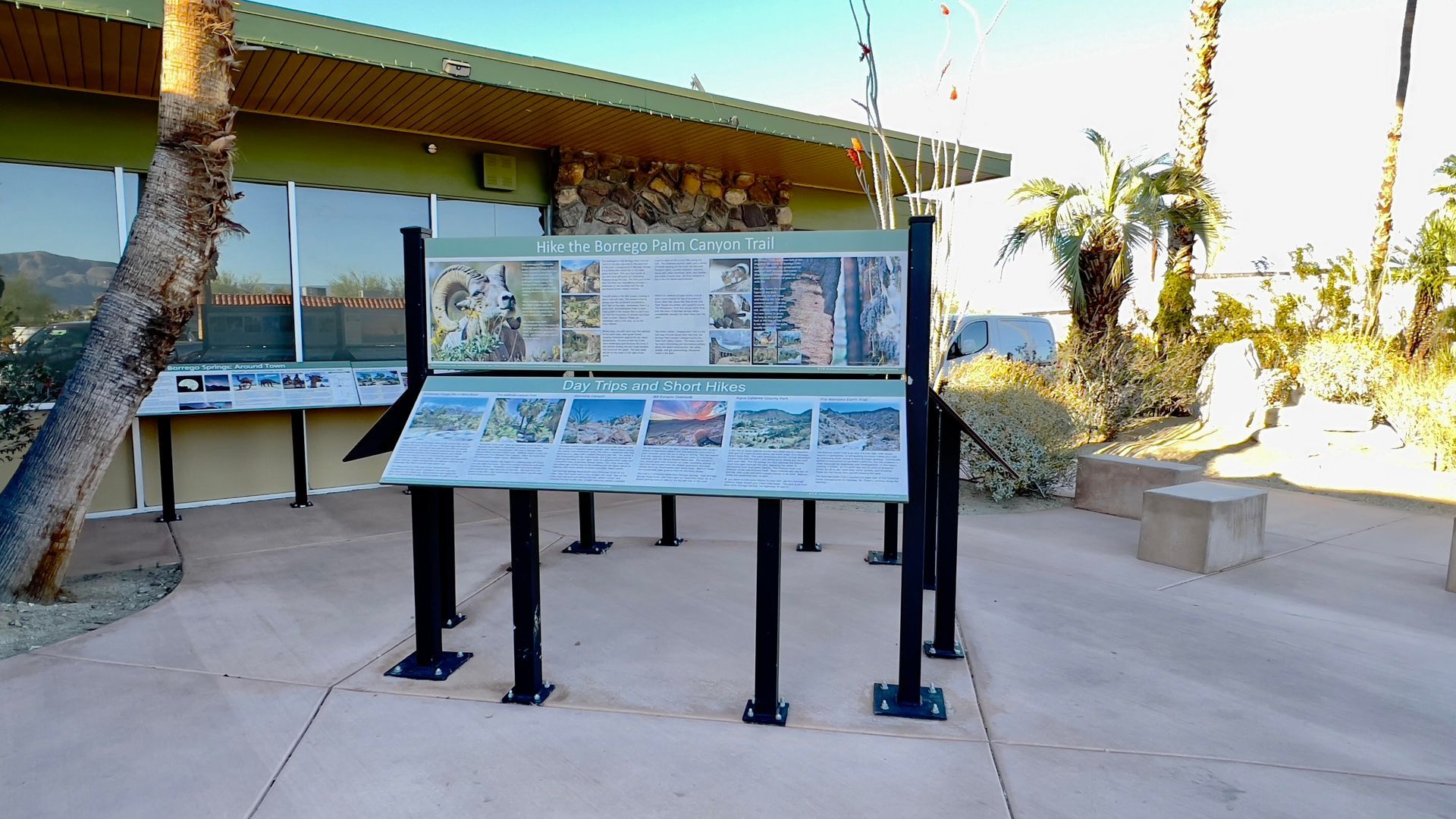
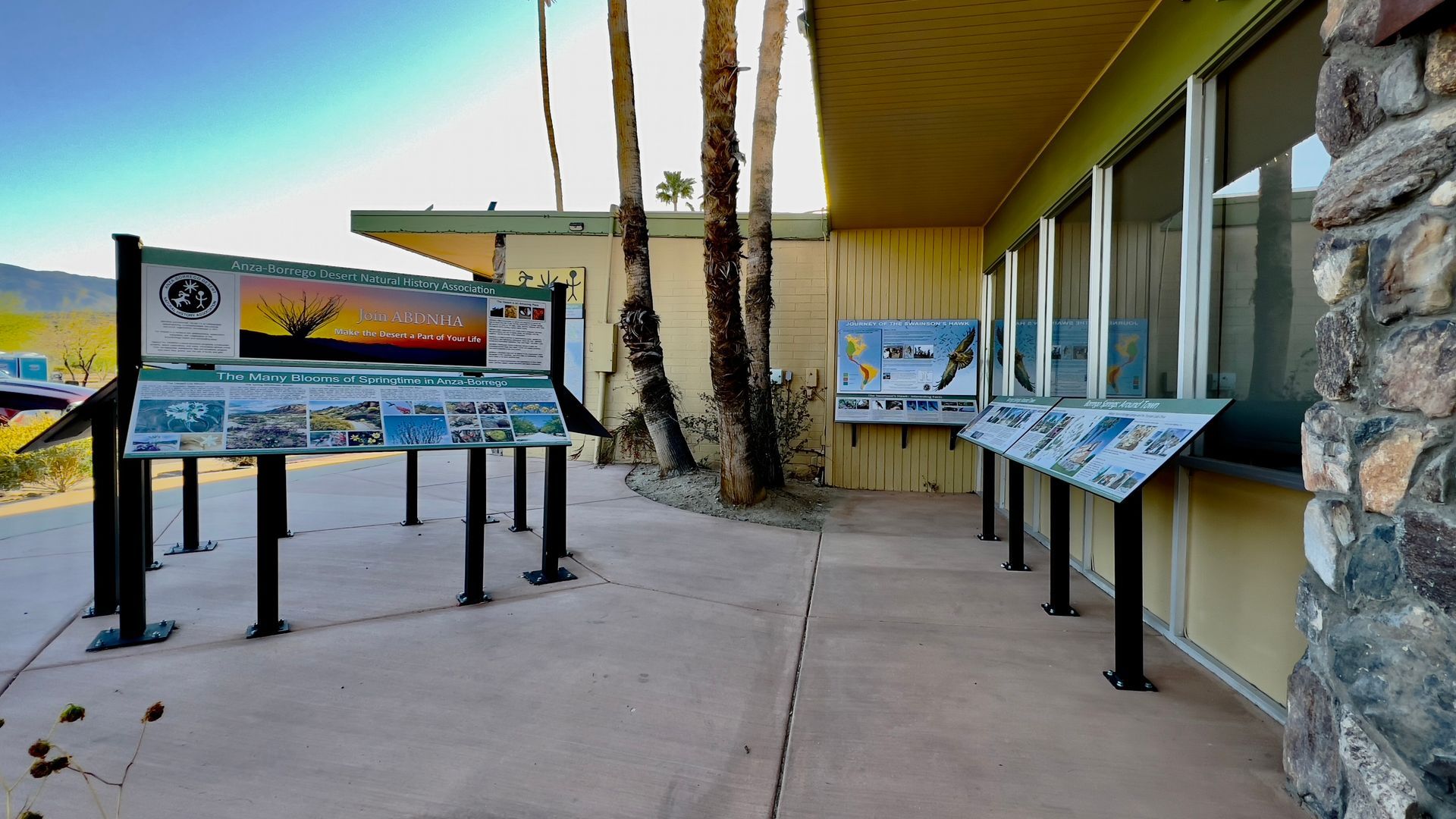
ABDNHA OUTSIDE

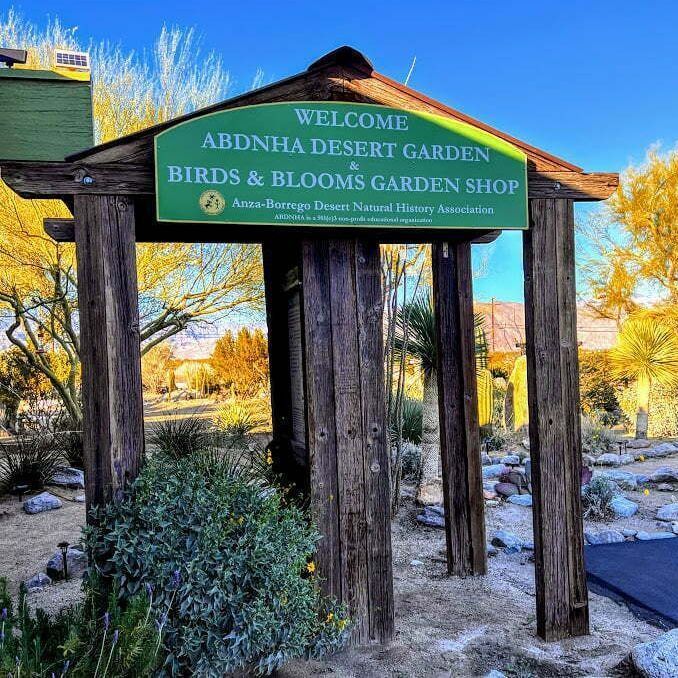
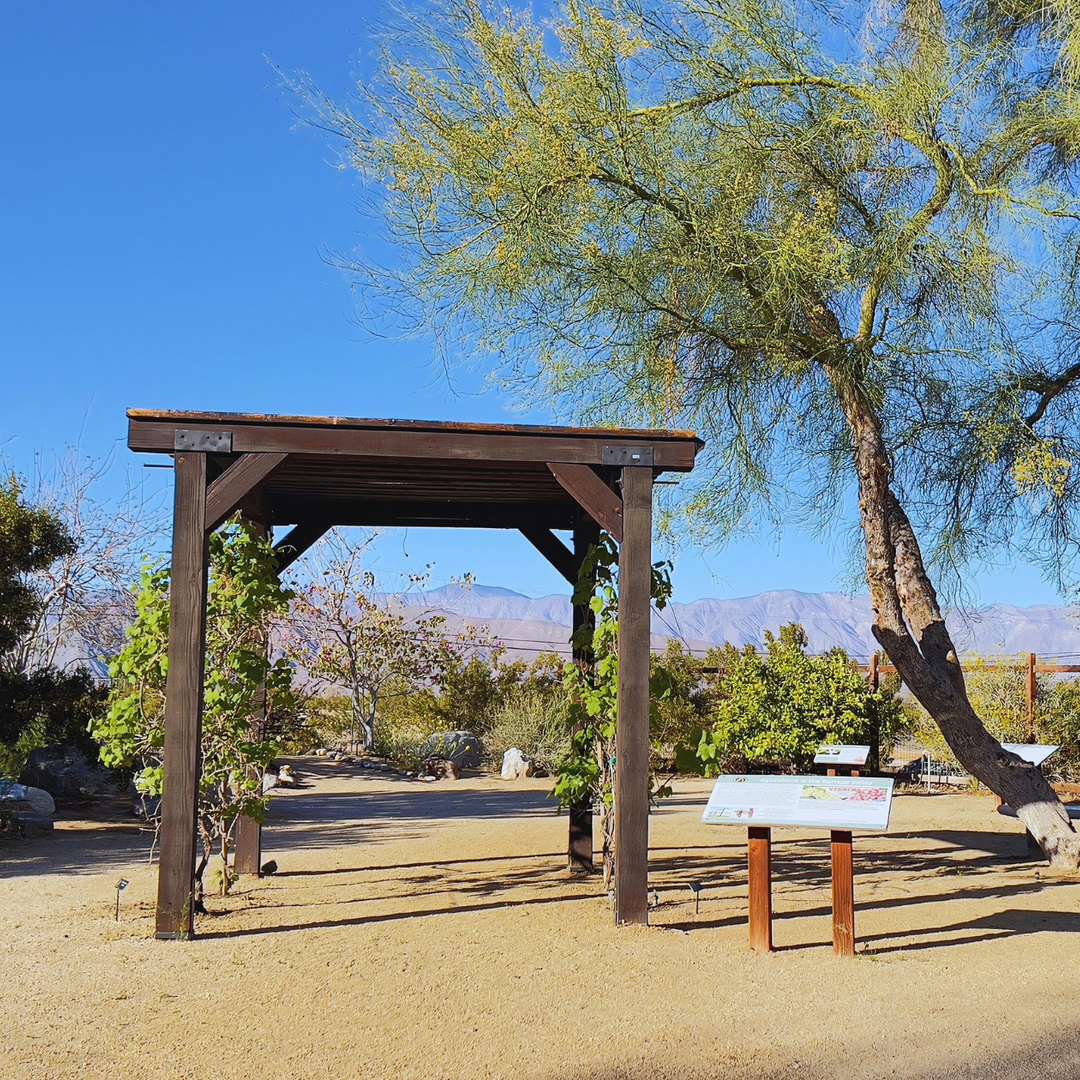
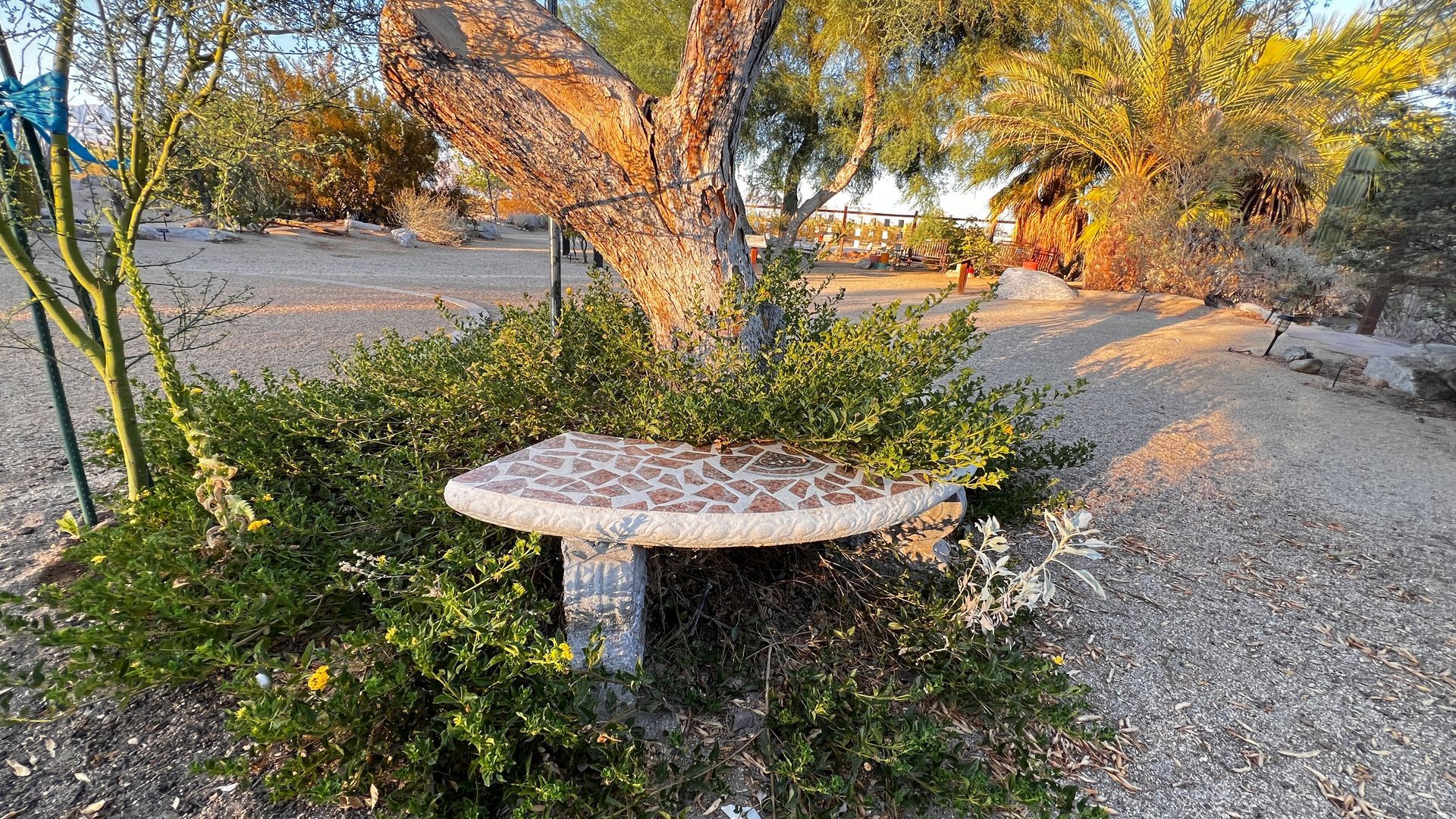
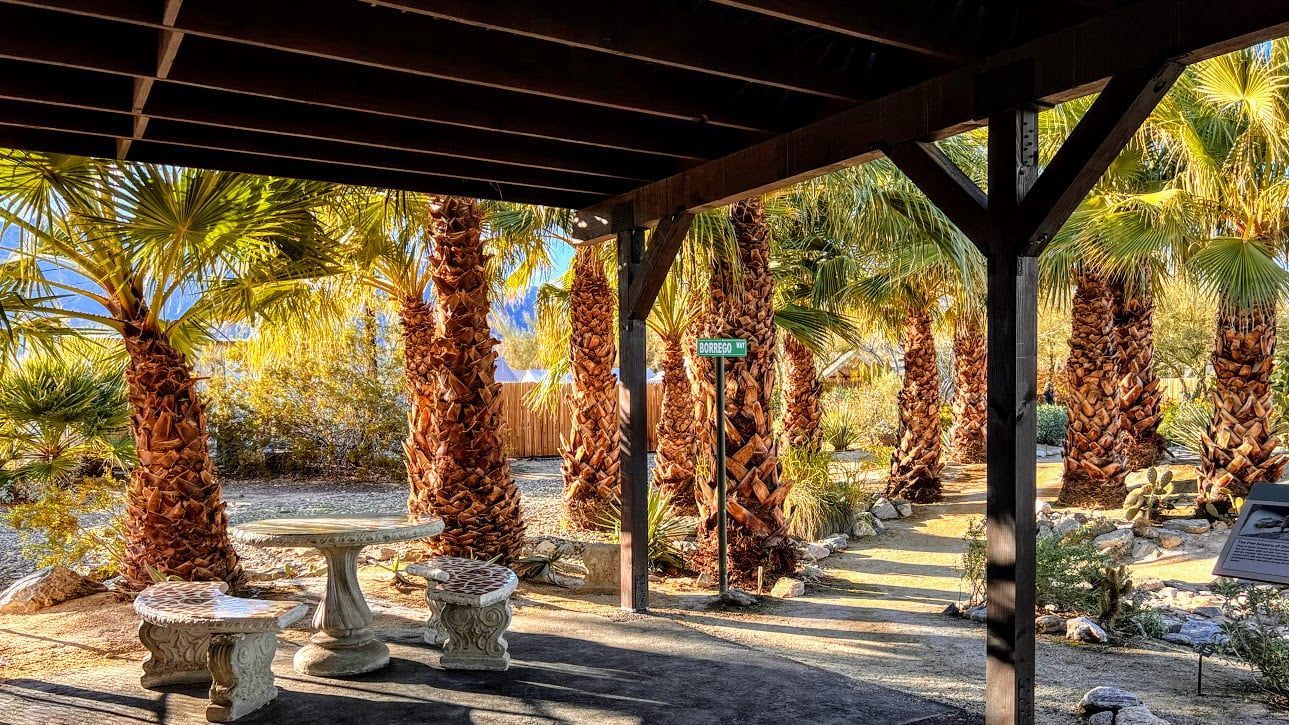
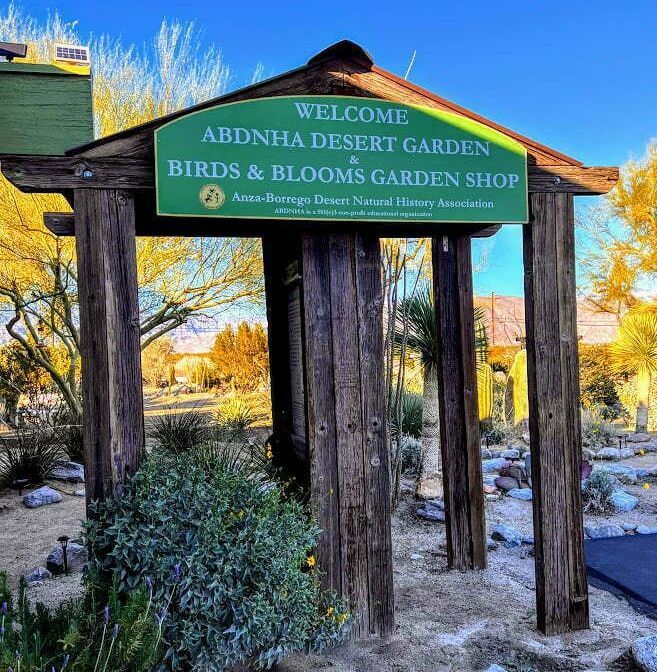
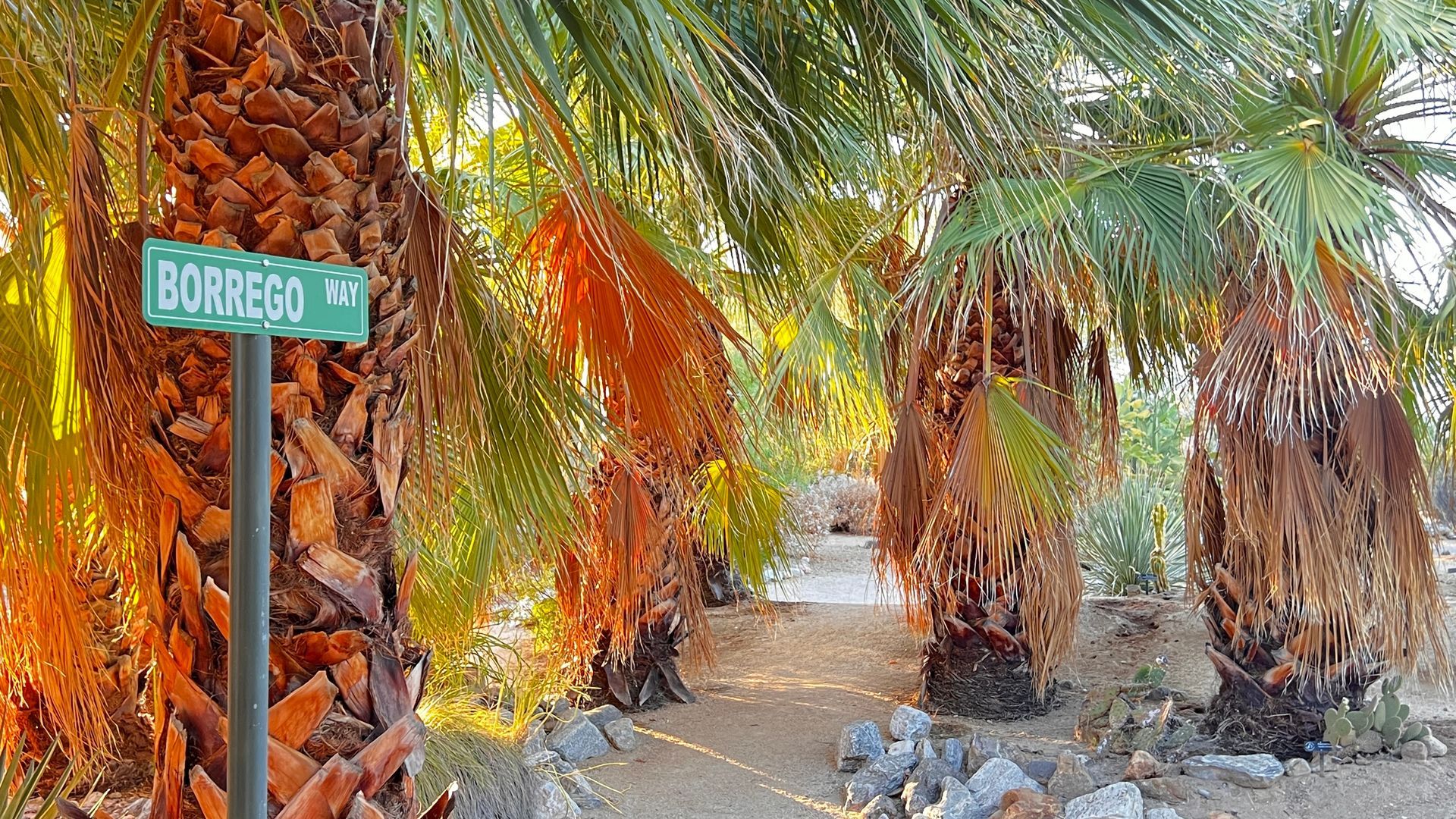
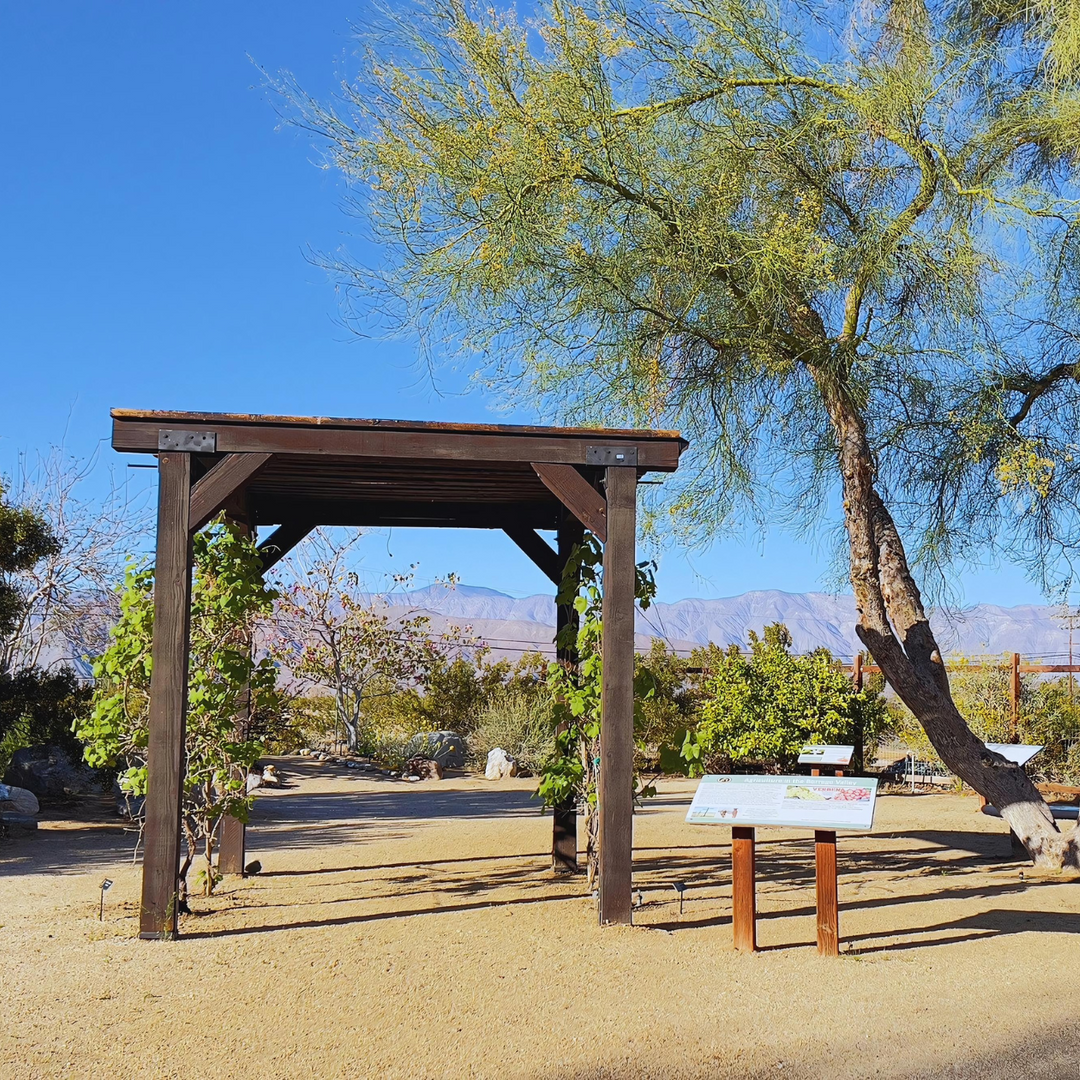
ABDNHA Desert Garden 

Visit & Relax

Visit & Relax

ABDNHA Desert Garden 

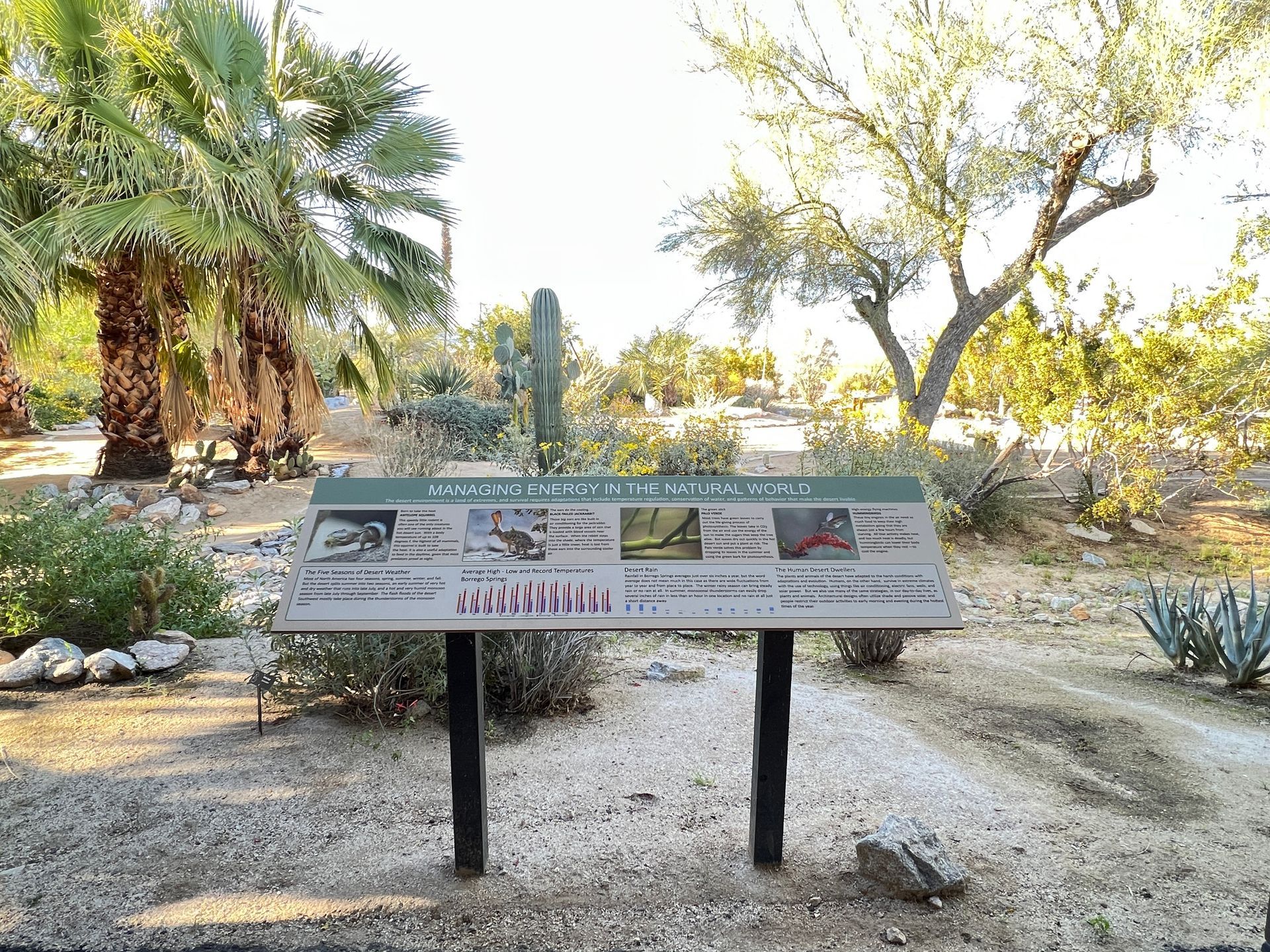
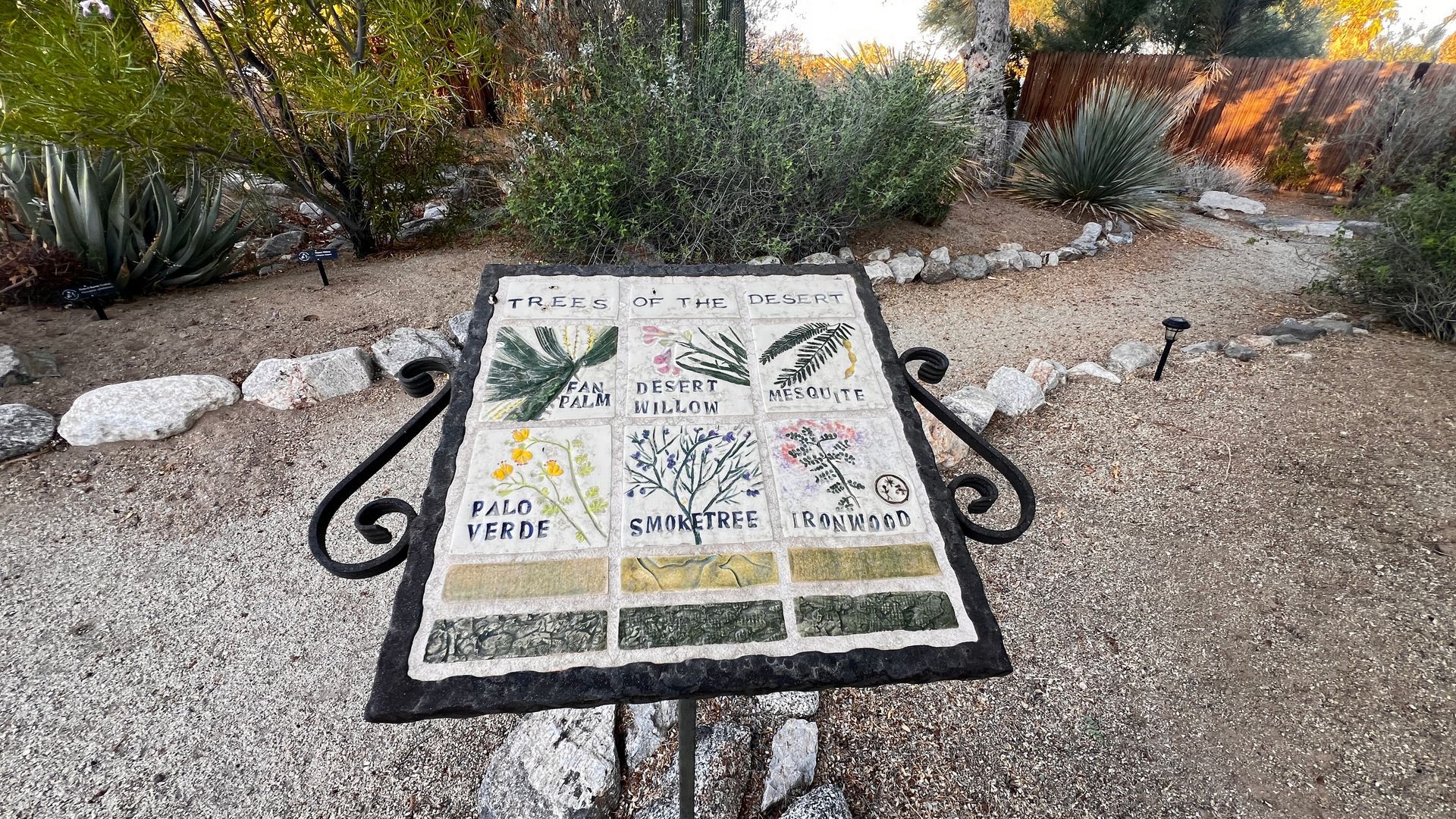
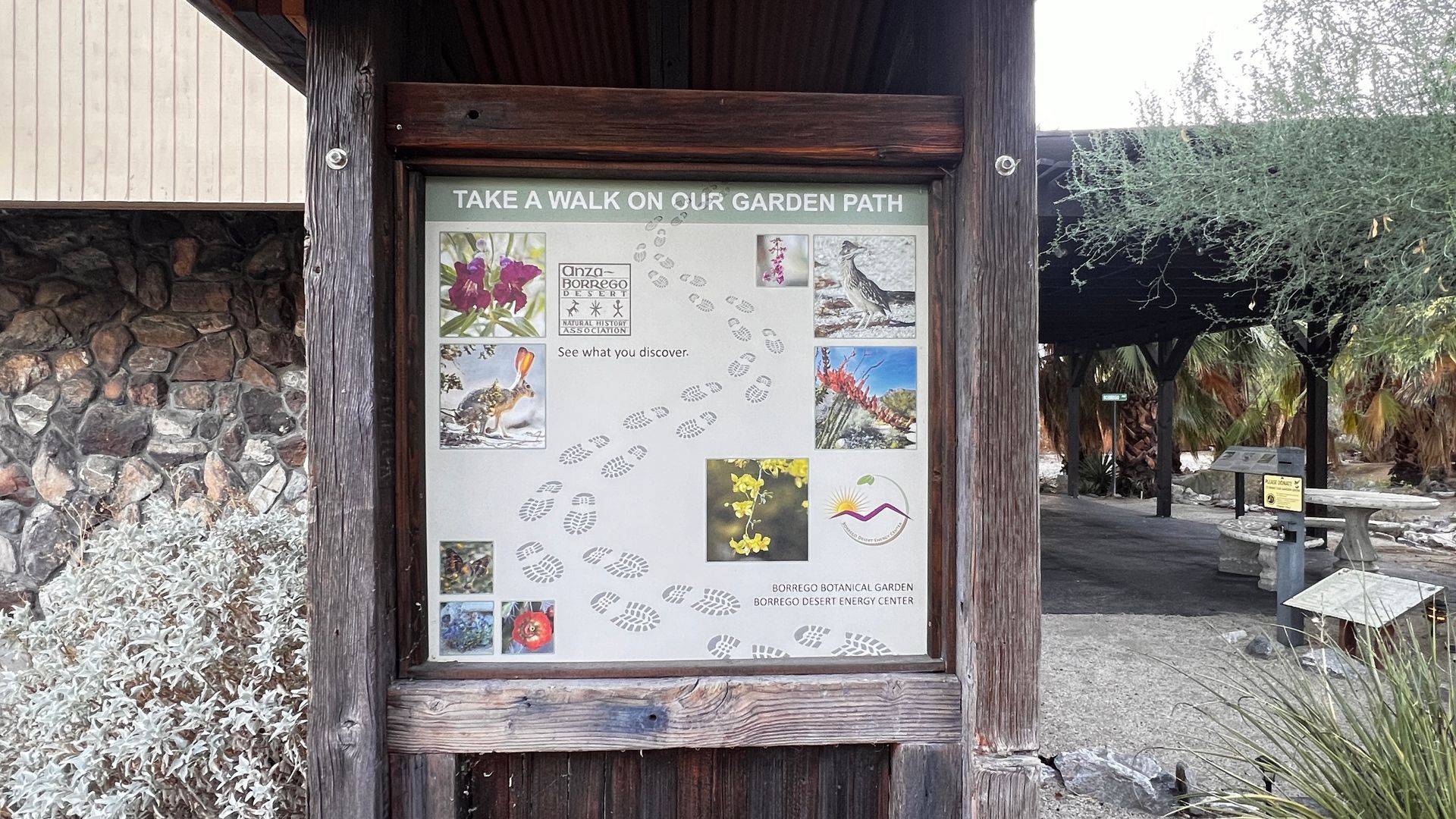
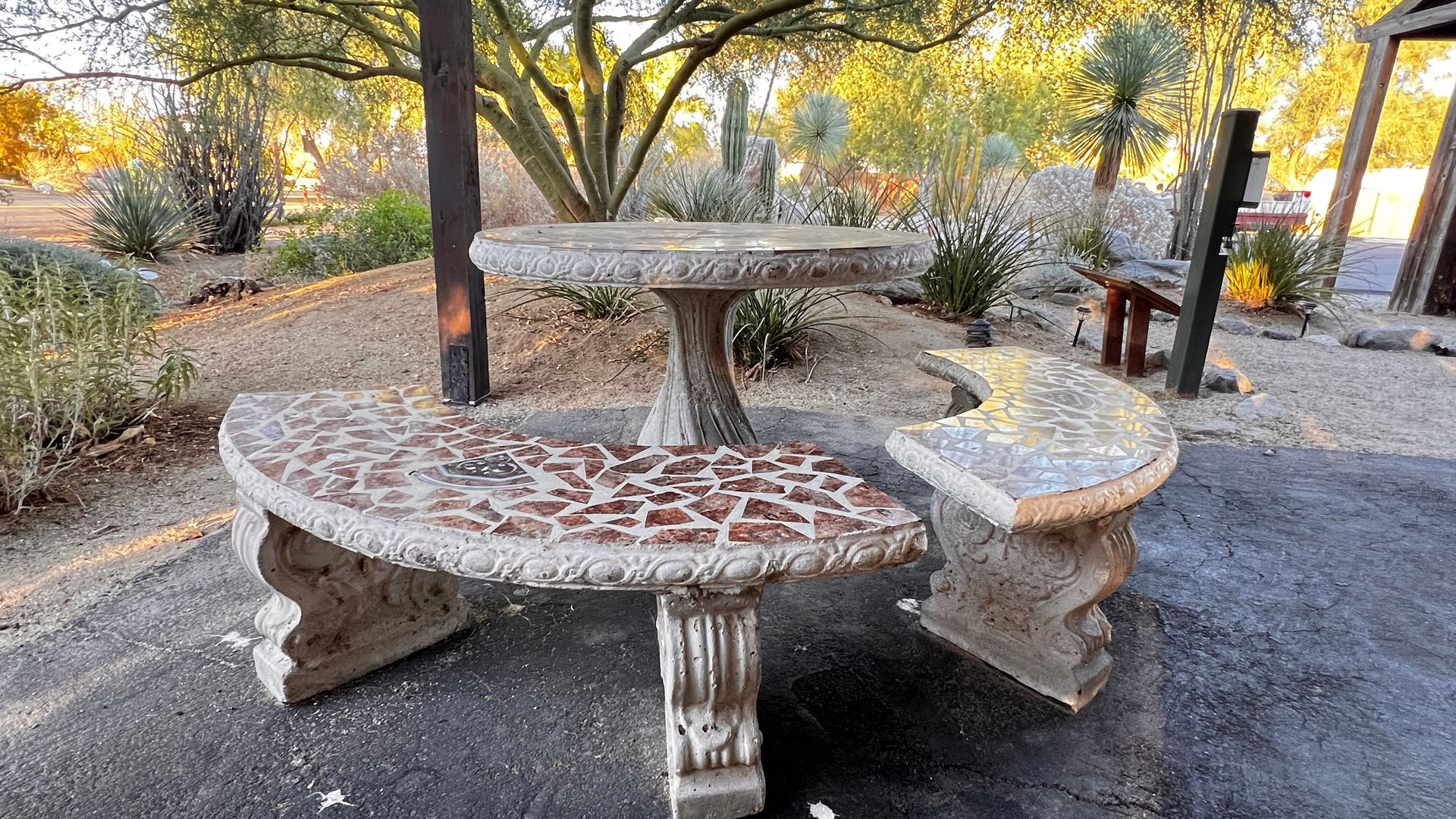
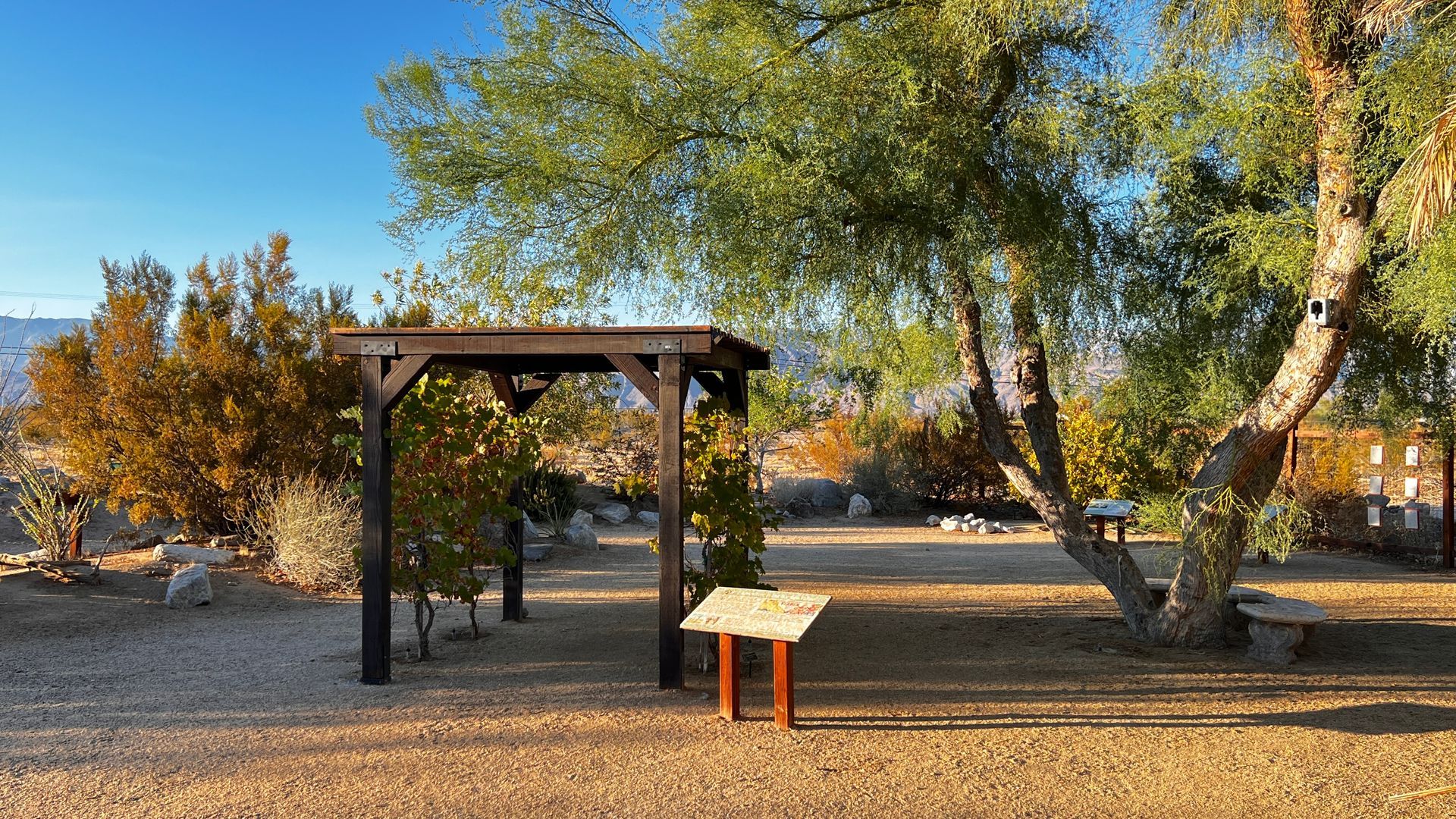
Explore the ABDNHA Desert Garden in Borrego Springs, where artistic landscapes meet a vibrant ecosystem of desert flora and fauna, open daily from sunrise to sunset. Enjoy shaded walkways, wildlife sightings, and a glimpse into local history, all in a serene setting.


This public oasis welcomes visitors for leisure and small-scale events by reservation.

Learn More
borrego dark sky coalition

About The Borrego Springs Dark Sky Coalition

In 2007, Borrego Springs residents formed a committee to achieve Dark Sky Certification from the International Dark Sky Association, culminating in the approval of a comprehensive 90-page application in 2009, which included a lighting survey, educational initiatives, lighting modifications, and regulatory assurances for sustained low light levels. Learn more on darksky.org!


>>An Enlightening Interview, New Dark Sky President -  Article by Nancy McRae


“THE SAND PAPER” ABDNHA MEMBER NEWSLETTER

"The Sand Paper," published five times a year by ABDNHA, features in-depth articles on the Anza-Borrego region, ranging from natural history to cultural insights. Members receive early access to event information and exclusive opportunities to engage with the content and community activities.

Learn More
Donate to the ABDNHA Today!

ABDNHA (founded 1971), a 501(c)(3) non-profit, educates and inspires desert appreciation. Visit their store (652 Palm Canyon Dr.) for info & events! Donate today and make a difference.
Donate Donate

Become a Member of the ABDNHA, a community passionate about desert education, conservation, and sharing its wonders.

Become a Member! Become a Member!
Anza-Borrego Desert Natural History Association (ABDNHA)

The Impact

Anza-Borrego Desert Natural History Association (ABDNHA)

The Anza-Borrego Desert Natural History Association (ABDNHA) plays a pivotal role in both the local community of Borrego Springs and the wider appreciation of the Anza-Borrego Desert region.


Here are some key impacts of the ABDNHA:

Educational Outreach

ABDNHA's educational programs, lectures, and tours provide invaluable learning opportunities for all ages. By offering a deeper understanding of the desert's ecology, geology, flora, and fauna, ABDNHA fosters a greater appreciation and respect for natural environments among residents and visitors alike.

Conservation Awareness

Through its various initiatives, ABDNHA raises awareness about the importance of conserving delicate desert ecosystems. Its efforts help to protect and preserve the natural beauty of the Anza-Borrego Desert for future generations, highlighting the critical balance between human activity and environmental stewardship.

Civic Participation

ABDNHA acts as a community hub, bringing together people with a shared interest in the desert's natural history and cultural heritage. Its events and programs create a sense of community among Borrego Springs residents and provide an inviting atmosphere for visitors, enhancing the social fabric of the area.

Economic Contribution

By attracting visitors to Borrego Springs for hikes, lectures, and special events, ABDNHA contributes to the local economy. Tourists and participants in ABDNHA programs often support local businesses, lodging, and dining establishments, thereby boosting economic activity in the region.

Research

ABDNHA supports and often collaborates in research projects and documentation efforts related to the Anza-Borrego Desert. These scholarly activities contribute to the scientific understanding of the area, adding to the body of knowledge on desert environments and informing conservation strategies.

Cultural Preservation

ABDNHA's work extends to the preservation of the cultural heritage of the Anza-Borrego Desert, including the history and traditions of its native peoples. By educating the public about the region's rich cultural past, ABDNHA ensures that this important aspect of the desert's identity is not forgotten.

Anza-Borrego Desert Natural History Association


P O BOX 310

652 Palm Canyon Drive.

 Borrego Springs, CA 92004


Office: 760-767-3052

Desert Store & Nature Center:

760-767-3098

Learn More About Anza Borrego
June 14, 2026
June 2026 Skywatching Highlights
By Dennis Mammana June 9, 2026
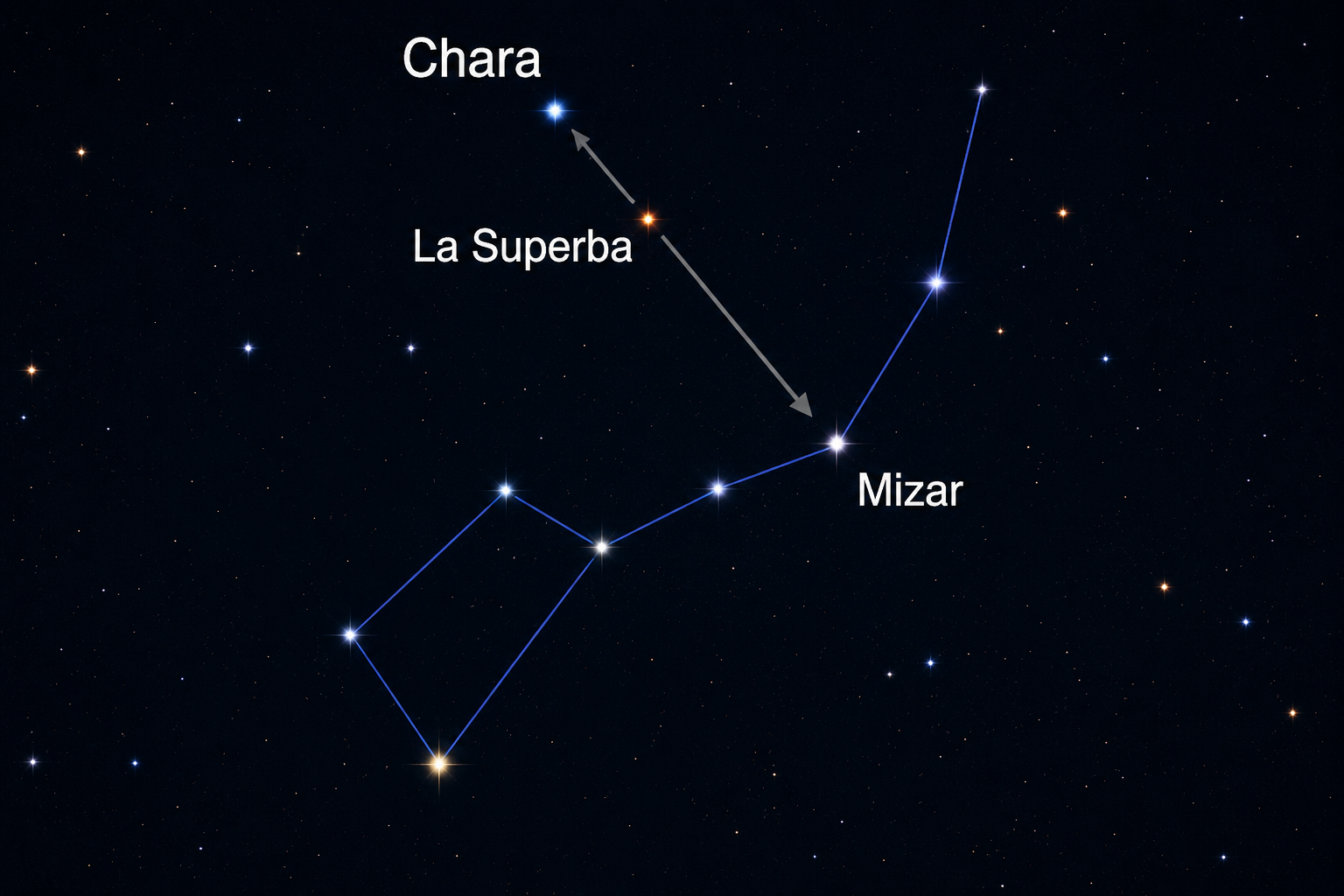
By Dennis Mammana Week of June 14-20, 2026  The universe is a colorful place, but stargazers are often frustrated when they cannot see the glorious colors that appear in celestial photographs. These are all quite real, so why are we unable to see them? One reason is that the color receptors of the human eye (the cones) don't respond well under faint light. They need a significant amount of energy falling on them to become active. You can prove this to yourself by trying to see colors around you in a dark movie theater. Sure, those on the screen are vibrant — that's some pretty bright light hitting your eyes — but colors throughout the dim theater appear completely muted. The second reason that astronomical photographs show beautiful colors is that camera detectors are not affected by human physiology. They can "see" colors from even the faintest of light. This is important because these colors tell us a lot about the physical and chemical properties of celestial objects. This doesn't mean you can't see color in the night sky; it just means that you'll need to find bright stars to improve your chances. One of the brightest shines high in the eastern sky after dark this week: Arcturus. Follow the handle of the Big Dipper away from its bowl, and you'll soon encounter this star. If you have good color vision, you may notice that Arcturus shines with a yellow-orange light that indicates a temperature of about 7,200 F. Now look lower toward the northeastern sky. There you'll find Vega, a nearly white star that burns considerably hotter than Arcturus — about 17,000 F. Very low in the southeast after dark, you'll find a star even more orange than Arcturus. This is Antares, the brightest in the constellation of Scorpius, glowing with a temperature of "only" 6,100 F. Aim binoculars or a small telescope toward these stars, and their colors will appear to pop. This is because the optics gather much more light than your eyes, and this helps to stimulate your color receptors. Now if you'd like to see an intensely red star, you'll need to cast your gaze high overhead. Here you'll find a star that astronomers know as Y Canum Venaticorum. Most stargazers just call it La Superba (the magnificent), so named by the mid-19th century astronomer Father Angelo Secchi. To locate it, you'll need to start at the Big Dipper; just above it appear the two most prominent stars of Canes Venatici, the hunting dogs. About two-thirds of the way between the bend of the Dipper's handle (Mizar) and the westernmost star of Canes Venatici (Chara) lies a very faint star — one you may not be able to spot with your eyes alone from near the lights of a city. What makes this star unique is that it's what astronomers call a carbon star, one of the few visible to the unaided eye. Yes, it's a giant star like Arcturus, and it's also nearing its death, but, unlike "normal" such aging stars, La Superba has accumulated more carbon compounds in its outer atmosphere. Find this faint star and aim binoculars or a small telescope toward it. I promise you'll be delighted by what you see. Visit Dennis Mammana at dennismammana.com. To read features by other Creators Syndicate writers and cartoonists, visit the Creators Syndicate website at www.creators.com. Learn More About Borrego Springs
By Dennis Mammana June 2, 2026
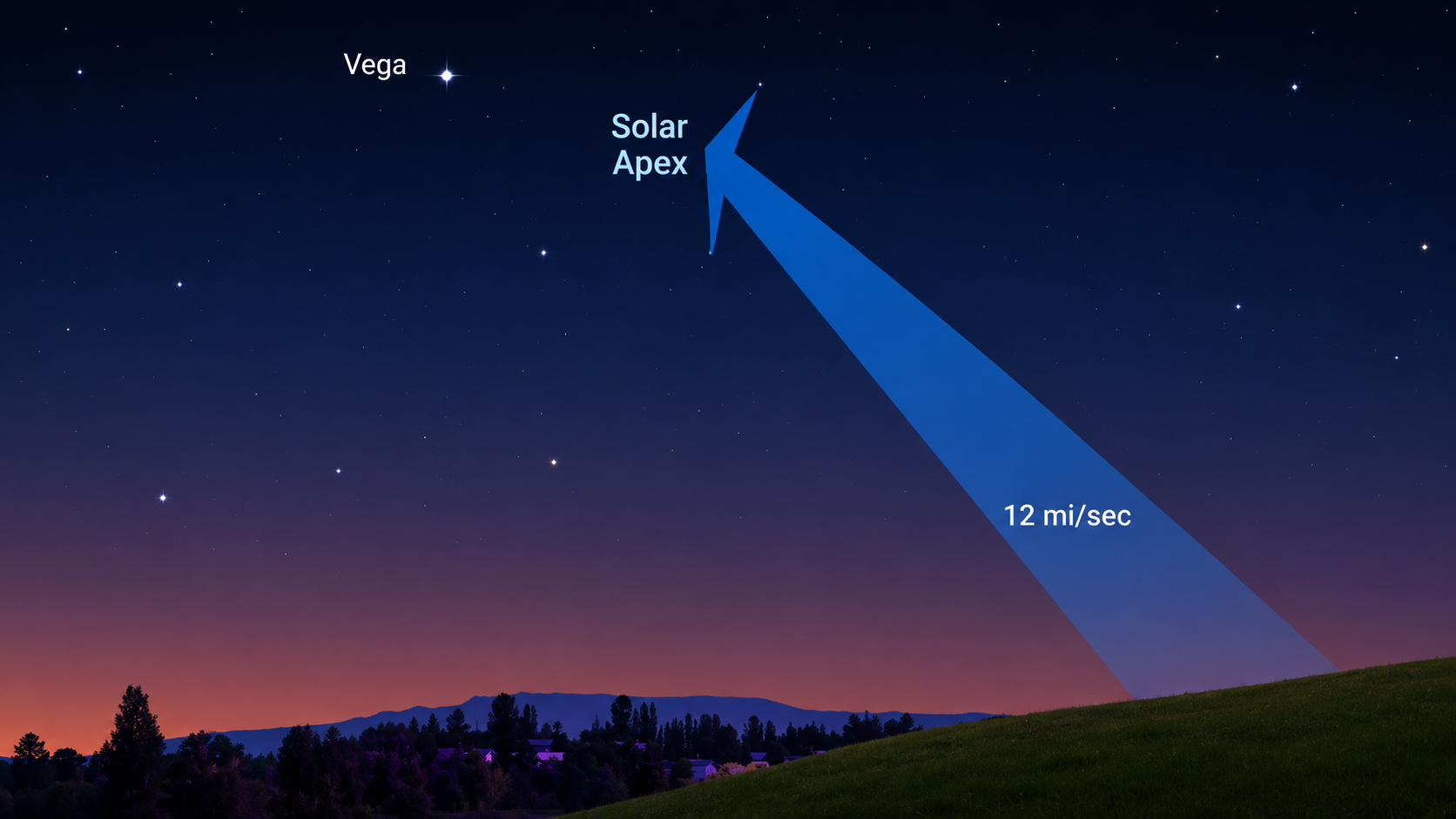
By Dennis Mammana Week of June 7-13, 2026 During one of my recent night sky tours, an elderly guest gazed into the sky and asked if the stars ever move. He said the constellations look the same now as when he was a child, and he was convinced that nothing in the heavens ever changes. It was an excellent observation but one that didn't consider an important fact: Human time scales are considerably different than cosmic time scales. Even the healthiest of humans will live at most about a century, and during our lives, we measure time in seconds, minutes, hours, days, weeks, months, years and decades. The cosmos, on the other hand, has been around for nearly 14 billion years, and everything takes much longer to occur. To recognize changes in the universe, astronomers must think on a more cosmic scale. When we do, we find that the universe is remarkably active. Stars are forming, consuming their nuclear fuel, and dying, and all are racing through our galaxy at tremendous speeds. Expecting to see changes in any star's appearance or the shapes of constellations over even a full human lifespan just isn't possible. To understand this, consider Barnard's Star, visible only through a telescope from the Earth's Southern Hemisphere. This star tears through our galaxy at a speed of some 88 miles per second, yet from our terrestrial vantage point six lightyears away, Barnard's Star requires three and a half centuries to cross a segment of the sky only the width of your outstretched little finger. Of course, we can't watch this movement with our eyes — or even through powerful telescopes — but by using sophisticated earthbound and satellite technology, astronomers can precisely measure these stellar speeds and directions of motion. Measure the speeds and directions of enough stars, and we find some interesting patterns. For example, stars that appear roughly in the direction of the summer star Vega (now shining low in the northeastern sky after dark) seem to be spreading out from a central point, while those on the opposite side of the sky (near Sirius, setting in the southwest around sunset) appear to be converging on one another. What this means is fascinating. Our sun's own motion is carrying it (along with the planets of our solar system) toward the stars near Vega — a point we know as the solar apex — and away from those near Sirius (known as the solar antapex). This phenomenon isn't difficult to visualize. Imagine you're driving along a highway from one city to another. The buildings in front of you appear to become more widely separated as you approach, while those behind you appear to converge more tightly. This is exactly what's happening in our section of the galaxy. Our sun is moving at some 12 miles per second toward a point in our sky not far from the bright star Vega. Of course, we can't see this movement, but it's fun to stand outdoors on a clear night and imagine our sun and Earth racing outward toward Vega. Now, if you're worried about a collision with this star ... well, fuhgetaboutit. Even at this remarkable speed, we'd need some 5,300 human lifetimes to get there! Visit Dennis Mammana at dennismammana.com. To read features by other Creators Syndicate writers and cartoonists, visit the Creators Syndicate website at www.creators.com. Learn More About Borrego Springs
By Dennis Mammana May 21, 2026
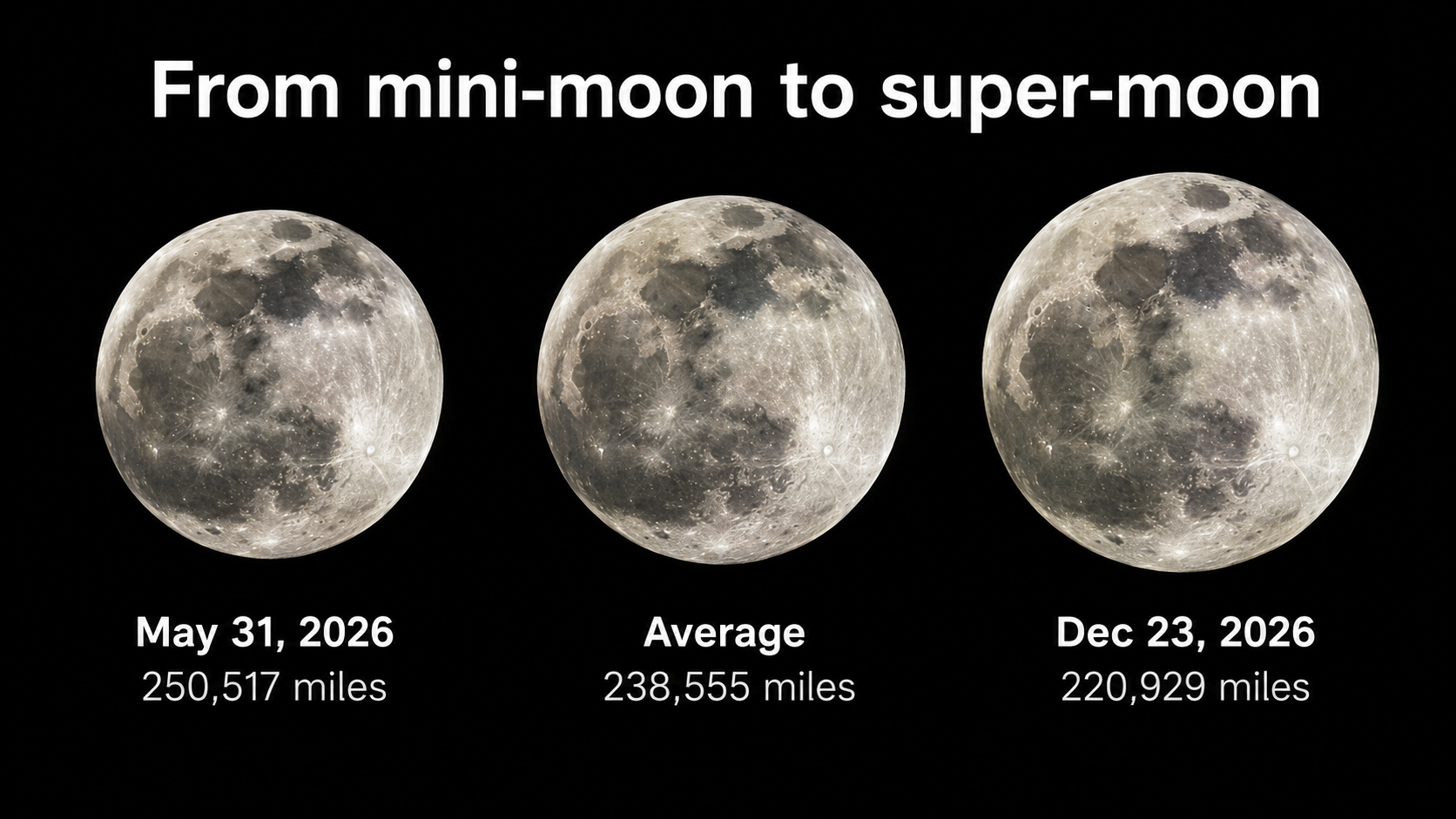
By Dennis Mammana Week of May 24-30, 2026 When you hear the phrase "once in a blue moon," what do you think? If you're like most people, you think of something that doesn't happen often. So what exactly is a blue moon, and why is it so rare? First off, a blue moon isn't all that rare. It occurs on average about once every 2.72 years. Secondly, the moon doesn't appear blue at all; it's just a regular ol' full moon that happens to be the second one in any particular month. You know this phenomenon if you receive a paycheck every two weeks. You'll usually get two checks a month, but occasionally you'll receive a third. It's not that uncommon, and neither is a blue moon, despite the popular meaning of the term. A second full moon in a month occurs occasionally because our calendar isn't synced with the lunar phases, even though the word "month" derives from the word "moon". What we call a month — approximately one-twelfth of a year — is longer than the moon's "synodic" period — the average time between one full moon and the next (29.53059 days). So every once in a while — every blue moon, one might say — two full moons will occur during the same calendar month. We'll see the next one on Saturday night, May 30. Be sure to watch as the moon rises in the southeast just after sunset that night. Chances are that it will first appear rather orange or red because its light must pass through a long column of air on its way to our eyes, and normal particulate matter suspended in the air scatters the moon's light and colors it orange. Some have defined the blue moon differently. Most seasons of the year will experience three full moons, but occasionally a fourth will sneak in. In that case, the fourth of the season would be known as a "blue moon." This seasonal definition may have originated from a 1943 question-and-answer column in Sky and Telescope magazine in which Laurence J. Lafleur traced the term to a 1937 "Maine Farmers' Almanac." Three years later, it seems, folklorist Philip Hiscock wrote in the same magazine an article that gave birth to the "second full moon in a month" idea. Neither of these situations is particularly unusual, so where did the rarity idea originate? Occasionally, especially thick smoke or volcanic ash particles suspended in our atmosphere can remove enough red moonlight to make the moon appear bluish. It is said that, after the Krakatoa volcanic eruption in 1883, the moon appeared blue for more than a year. As you might imagine, this is extremely rare. In fact, one might say that it happens ... only once in a blue moon! Now there's one more thing about the full moon that we'll see this coming weekend. It reaches its orbital "apogee" at 4:45 a.m. EDT / 1:45 a.m. PDT, its farthest point from the Earth (about 250,517 miles away). This means that it will appear as the smallest full moon of this year. You might hear it called a blue "mini moon," though most stargazers won't be able to see much difference from a normal full moon. Visit Dennis Mammana at dennismammana.com. To read features by other Creators Syndicate writers and cartoonists, visit the Creators Syndicate website at www.creators.com. Learn More About Borrego Springs
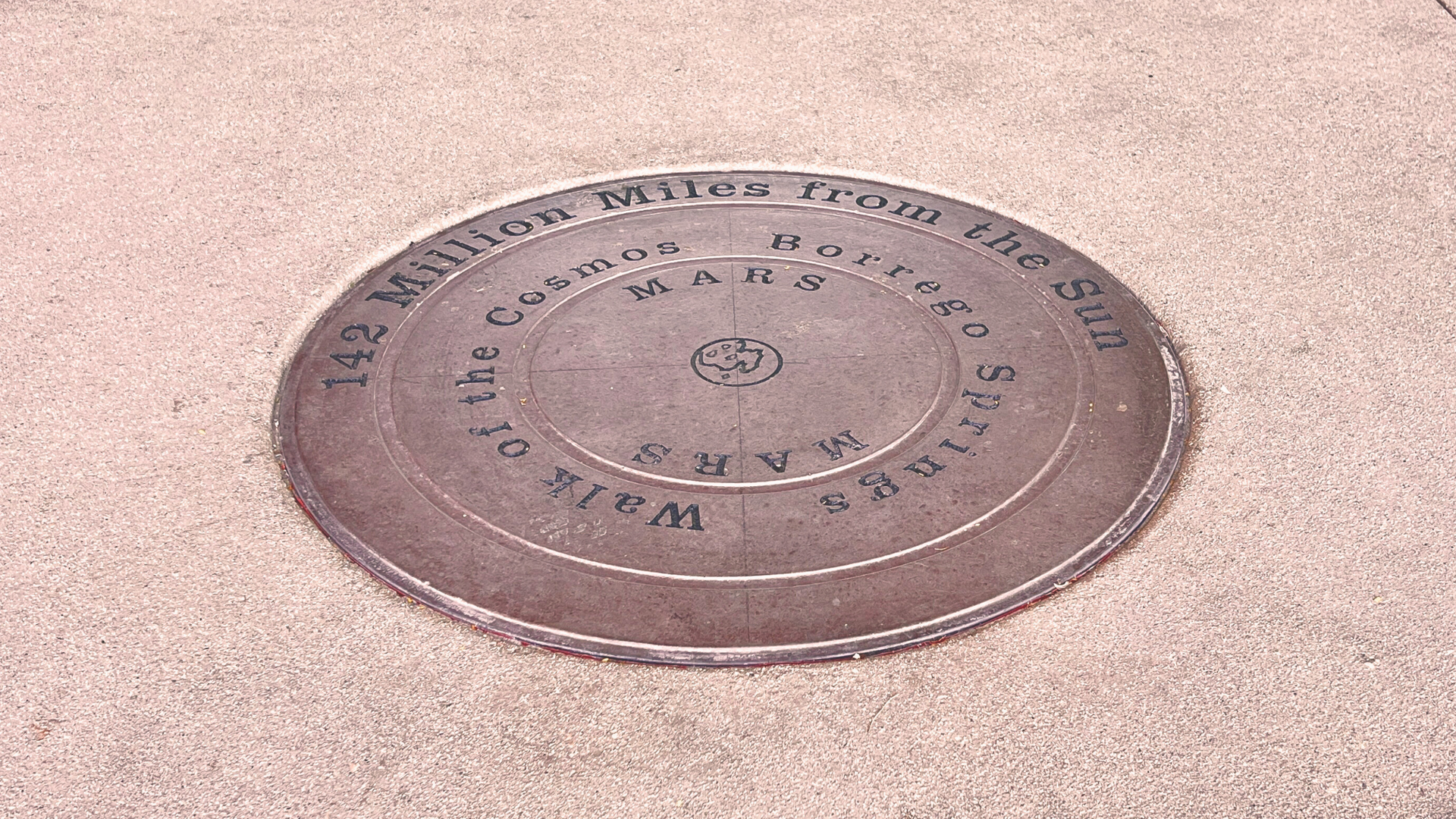
Walk of the Cosmos
By Andrea McKenna May 17, 2026
Experience the Walk of the Cosmos in Borrego Springs—a journey through the solar system in a beautiful desert park with playgrounds, sports courts, and stargazing opportunities.
By Dennis Mammana May 12, 2026
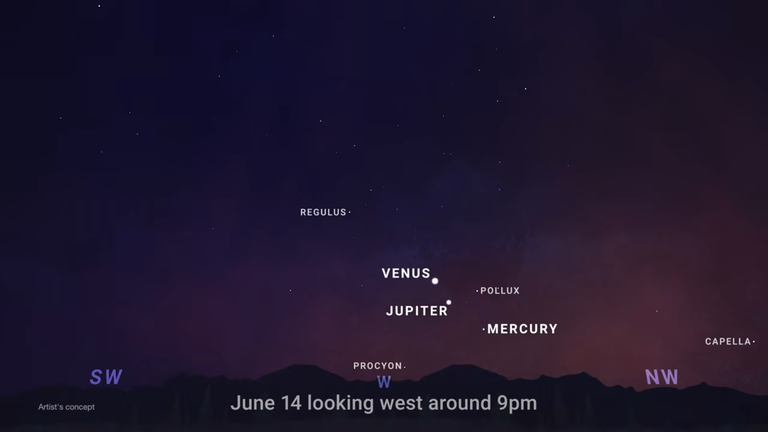
By Dennis Mammana Week of May 17-23, 2026 That brilliant light now glistening in the west at sunset is again the "star" of the show. It is, of course, the planet Venus, and this week it'll pair up with two other celestial wanderers: Jupiter and the moon. Jupiter, another very bright planet, has been descending farther to the west as the spring months progress, and it is now approaching a close encounter with Venus by the end of the month. This occurs because these worlds, along with the Earth, orbit the sun, and our constantly changing viewpoint makes them appear to drift slowly against the more distant and "fixed" stars. Over the next week, though, another solar system body will enter the scene: the moon. Since our celestial neighbor orbits the Earth once a month, we can see it change its position in the sky from night to night. Shortly after sunset on May 17, you might try searching very low in the west for the tiny and delicate crescent moon, but to find it, you'll need a very clear sky and a low horizon, and possibly binoculars. If you don't succeed, don't worry. It'll be pretty tough to spot, but if you wait until the next night, it'll be much easier to see. On the 18th, it will appear not far from Venus. Of course, the moon won't really be next to this planet; they will be separated by 124 million miles that evening, but since both lie roughly along the same line of sight, they'll appear together in the sky. For a really amazing view, check out the pair through binoculars! The following night, May 19, the moon will have moved eastward along its orbit and will appear about midway between Jupiter and Venus. If your sky is clear on May 20, check out the western sky again, and you'll notice that the moon is not only a significantly thicker crescent but now lies above Jupiter. Of course, this whole view is purely an illusion caused by our inability to see true depth in the cosmos, but it does result in a truly pretty picture. And speaking of pretty pictures, this week offers a good opportunity to try your hand at photographing the spectacle. Since the trio appears low enough in the sky at dusk, you can frame the scene with a foreground subject — a dramatic tree, building, sculpture or person, for example. You don't need fancy or expensive equipment to do this; just a regular camera or smartphone will do fine. You may find, however, that zooming in a bit will produce a more compelling image. If you shoot half an hour or so after sunset, you can probably trust the automatic settings of your camera or phone. Much later, though, you may need to adjust settings as you go because the light at dusk changes rapidly. Don't be afraid to experiment; if some photos turn out poorly, you can always hit "delete," and no one will ever know! I hope your skies are clear this week so you can enjoy the planetary sky show. And if you get some nice photos, please email me. I'd love to share your success!  Visit Dennis Mammana at dennismammana.com. To read features by other Creators Syndicate writers and cartoonists, visit the Creators Syndicate website at www.creators.com. Learn More About Borrego Springs
By Andrea McKenna May 2, 2026
One of the things that makes Borrego Springs special happens after the sun goes down. Borrego Springs became California's first International Dark Sky Community in 2009 and was only the second community in the world to receive the designation. The certification recognizes communities that actively work to reduce light pollution and protect the night sky for future generations. Earlier this year, a Dark Sky presentation highlighted K-RAM 90.5, XL Fuel Stop, and Borrego Holiday Homes as examples of businesses using responsible lighting practices that help preserve Borrego Springs' internationally recognized night skies. Ram Media Foundation Updates Exterior Lighting The Ram Media Foundation building at 730 Christmas Circle, now home to K-RAM 90.5, the Borrego Sun, and Borrego Valley Realty, removed older unshielded, high-lumen fixtures that reflected light outward around the property. The updated lighting includes shielded fixtures and a downward-facing reflector along the front walkway. These improvements provide lighting where it is needed while reducing unnecessary glare and light escaping into the night sky. XL Fuel Stop Reduces Sky Glow XL Fuel Stop was highlighted for using fully shielded lighting that directs light where it is needed instead of into the night sky. According to the presentation, a bright light mounted atop a high pole was turned off, and after-hours lighting levels were reduced. These changes help minimize sky glow while maintaining safety and visibility for customers. Borrego Holiday Homes Improves Efficiency Borrego Holiday Homes was highlighted as another example of responsible lighting practices. The property reduced excessive brightness by lowering lumen levels and using shielding that directs light downward. The result is reduced glare, improved efficiency, and lighting that better serves guests without unnecessarily illuminating the surrounding area. Why Dark Skies Matter According to the Borrego Springs Dark Sky Coalition, light pollution is the human-made alteration of outdoor light levels from those occurring naturally. Excessive brightness can create visual discomfort, affect wildlife behavior, disrupt human circadian rhythms, and diminish our ability to see the stars. Responsible lighting does not mean eliminating outdoor lighting. Instead, it means using the right amount of light, directing it where it is needed, and avoiding unnecessary brightness. The Borrego Springs Dark Sky Coalition was formed in 2007 by local residents seeking Dark Sky certification. Facilitated by the Anza-Borrego Desert Natural History Association (ABDNHA), the coalition continues to educate residents, businesses, and visitors about responsible lighting practices that help preserve Borrego Springs' exceptional nighttime environment. The improvements made by K-RAM 90.5 , XL Fuel Stop, and Borrego Holiday Homes demonstrate that protecting dark skies can go hand in hand with safety, efficiency, and good business practices. For residents and visitors alike, these efforts help ensure that Borrego Springs remains one of the best places in Southern California to experience a sky filled with stars.
March 18, 2026
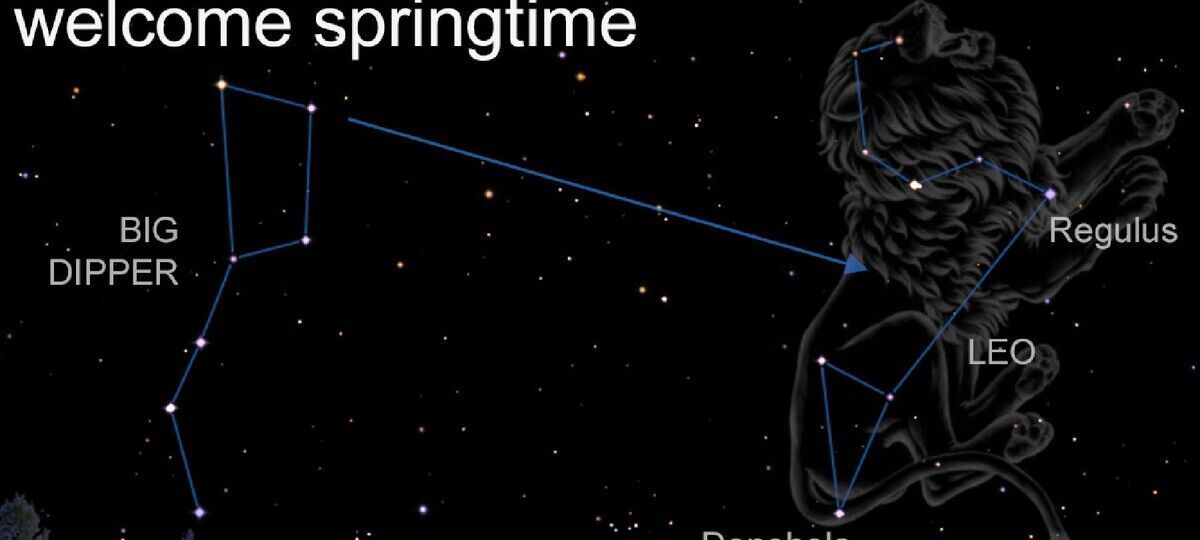
By Dennis Mammana Week of March 22-28, 2026 Now that spring has sprung, I'm sure that those who have endured a long, cold and snowy winter are rejoicing. Anyone who knows me knows that I'm no winter person. Sure, I used to enjoy the season when I was a kid, but that's only because I could spend entire days building snow forts with my friends and making a few bucks shoveling the white stuff for neighbors. No longer. Today, warmer days of springtime can't come soon enough for me! If we had no calendar, we would still know the seasons are changing. We see it happening all around us: Temperatures are rising, the first flower buds are beginning to appear, and many birds are returning to our part of planet Earth. And, just as our daytime world gives us clues that spring is approaching, the darkness does as well. Nighttime hours are beginning to shorten, and the brilliant stars of winter are descending in the west to make way for those of springtime. And no star grouping heralds the arrival of springtime to our Northern Hemisphere more than Leo, the lion. Head outdoors during early evening hours and cast your gaze midway up in the eastern sky. There, you'll see Leo, one of the few constellations that, with some imagination, actually can be made to look like its namesake — a lion crouching in a regal pose reminiscent of the enigmatic Egyptian Sphinx. Most prominent in this constellation is the bright star Regulus, which shines brightly beneath the lion's majestic head and mane, outlined by a large sickle-shaped grouping of stars. More metropolitan stargazers may recognize this figure not as a sickle but as a backward question mark, with Regulus forming the dot at its base. The star's very name, "Regulus," comes from the Latin word "Rex," meaning "king," and, interestingly, this star was revered throughout the ancient world as a "royal" star. According to astronomy author R.A. Allen, it was known in Arabia as "Malikiyy" (the Kingly One), while the ancient Greeks knew it as "the Star of the King." At the other end of the lion, we find the bright star Denebola, whose name originates from the Arabic "Al Dhanab al Asad," meaning "The Lion's Tail." You can find Leo more easily if you use the two pointer stars of the Big Dipper, farther to the northeast. These stars point toward Polaris (the north star) if you follow them from the bottom to the top of the Dipper's bowl, but if you follow them in the opposite direction, you can find your way toward the back of the lion. If you have trouble tracing this animal's shape among the stars, don't worry. Just turn it around and you'll find it's much easier to find not the mighty king of the jungle but instead a mouse! Quite frankly, I think the figure of a mouse is much easier to trace. Here, the star Denebola forms its pointy nose, the nearby triangle forms his head, and the sickle now outlines its long, curving tail. Either way you look at it — mouse or lion — nothing in the heavens announces springtime more loudly than Leo!  Visit Dennis Mammana at dennismammana.com. To read features by other Creators Syndicate writers and cartoonists, visit the Creators Syndicate website at www.creators.com. Learn More About Borrego Springs
March 18, 2026
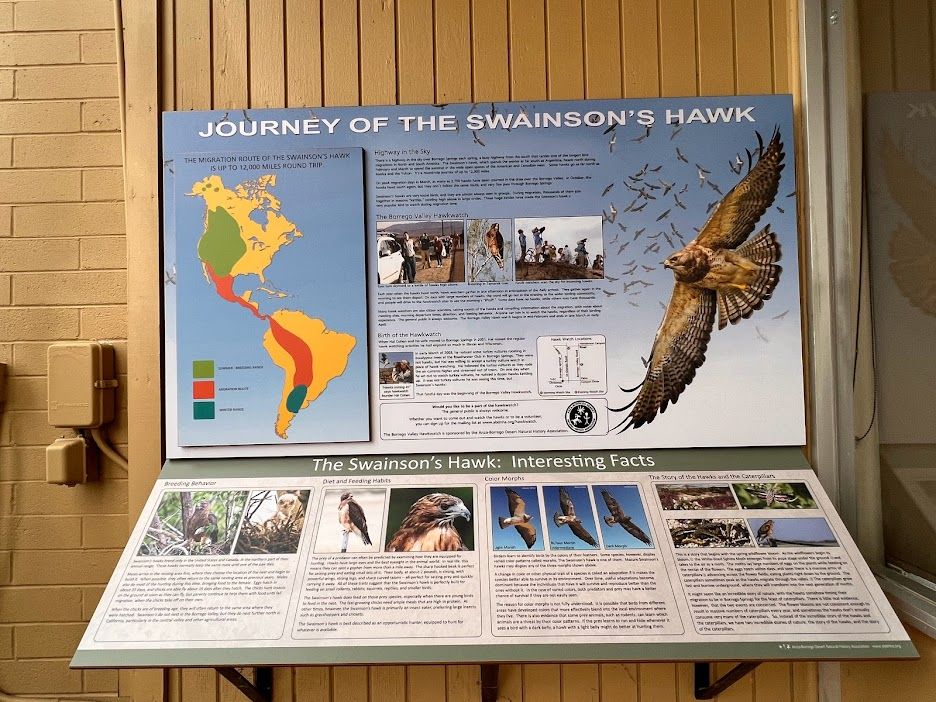
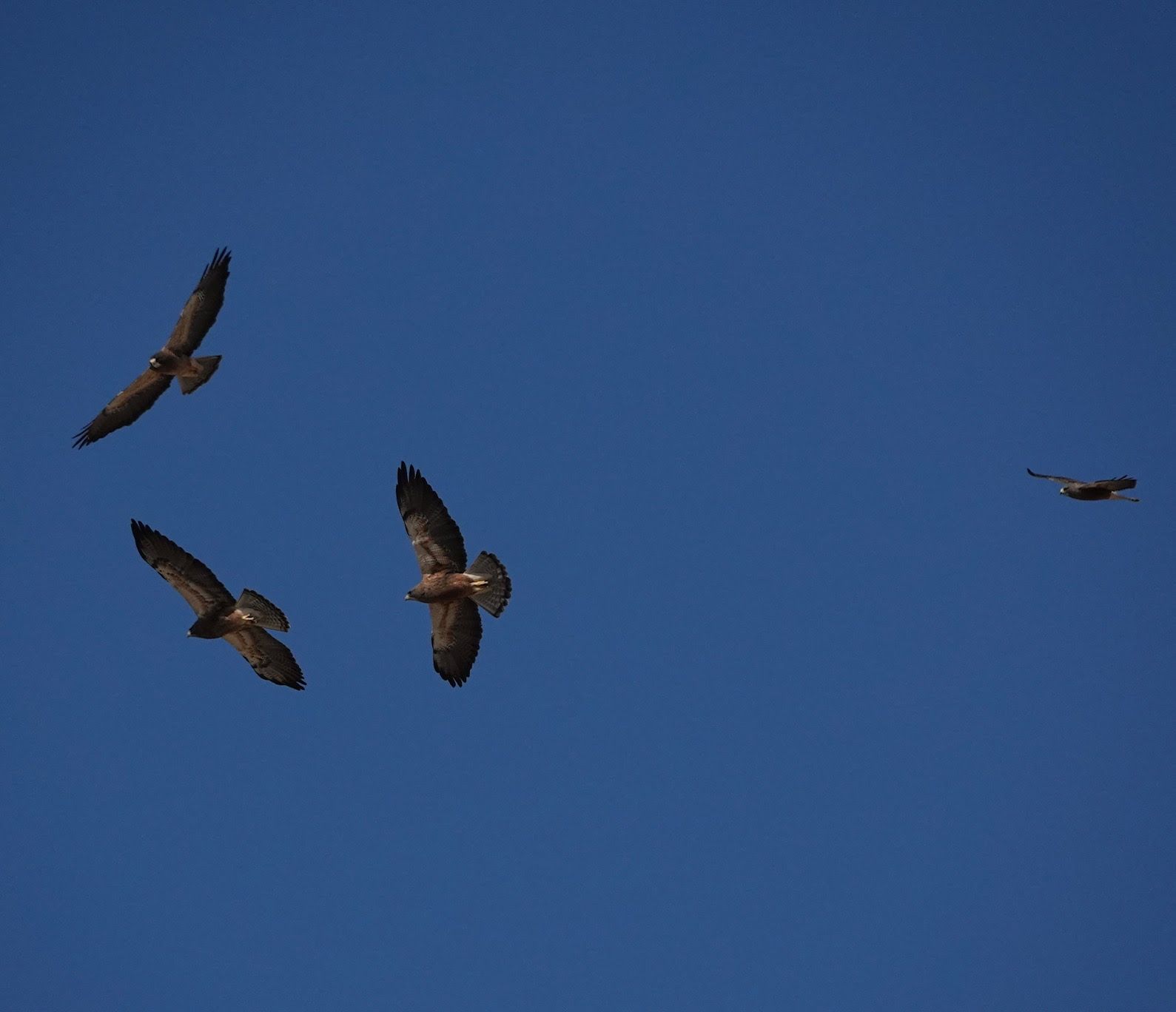
A recent Hawk Alert shared through the Borrego hawkwatch community reports a significant number of Swainson’s hawks currently roosting in Borrego Springs. Estimates based on multiple counts suggest 200 to 300 hawks are gathered overnight. This is part of the annual spring migration, when large numbers of Swainson’s hawks pass through the Borrego Valley. The migration typically runs from mid-February through March and into April, with peak activity often occurring in mid to late March. 
Show More
The Borrego Springs Community Concert Association Events