Where To Stay

Find your perfect lodging in Borrego Springs, whether you’re seeking boutique hotels, off-grid escapes, luxury resorts, or serene desert retreats.

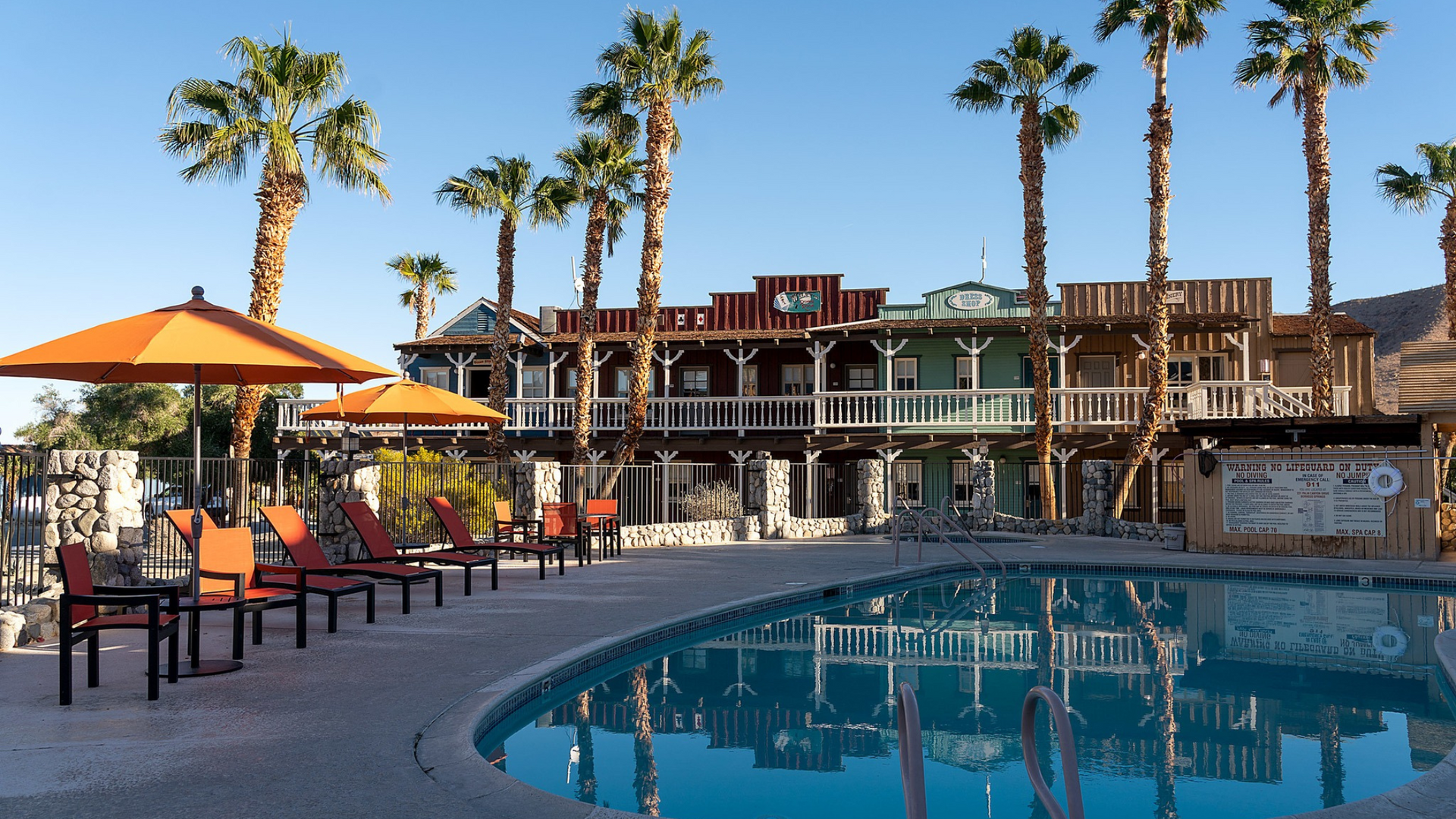
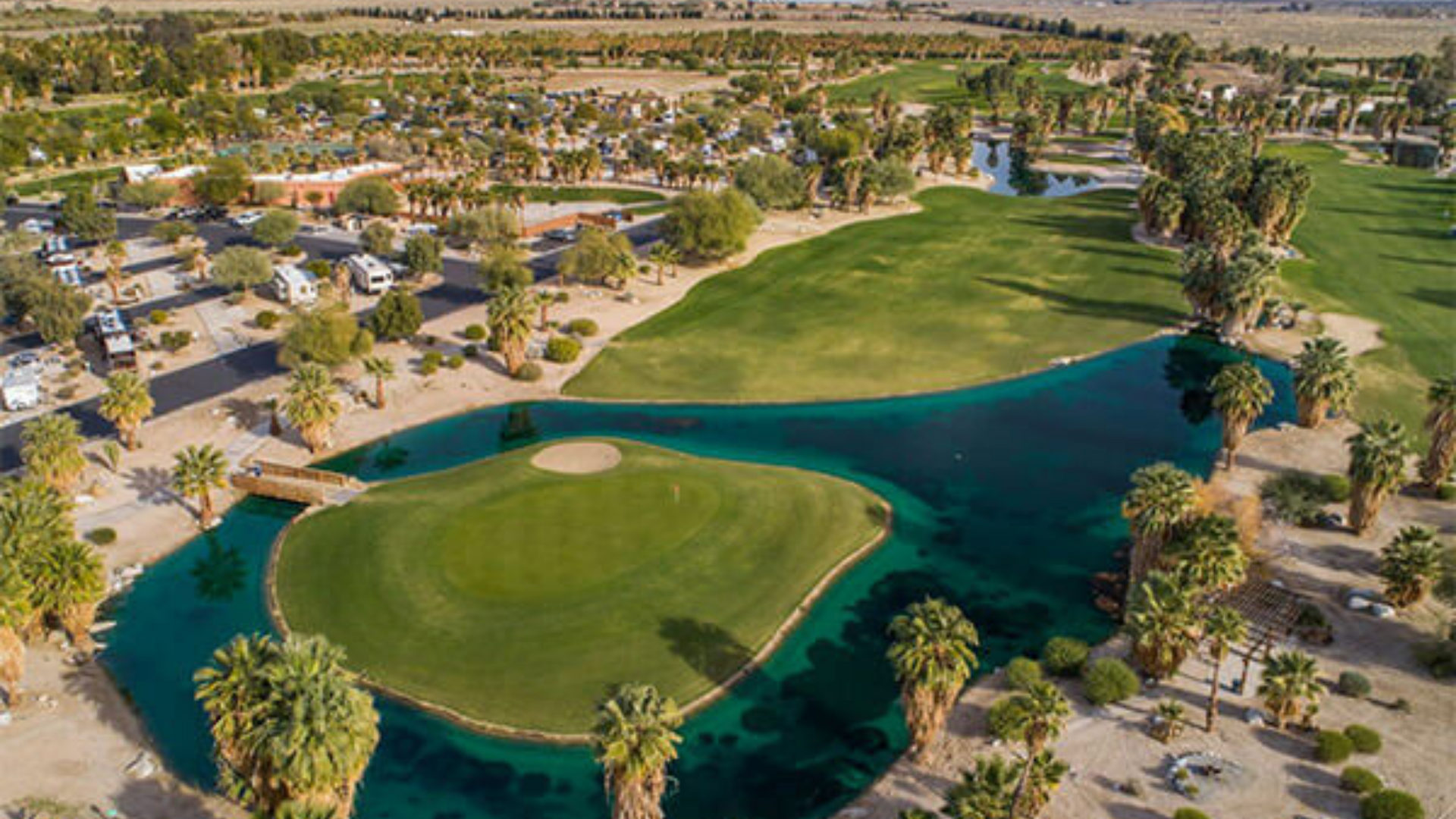
Palm Canyon Hotel & RV Resort

Palm Canyon Hotel & RV Resort

A Wild West resort offering desert wonders, saloon dining, and the best stay in Borrego Springs.

221 Palm Canyon Dr,
Borrego Springs, CA 92004
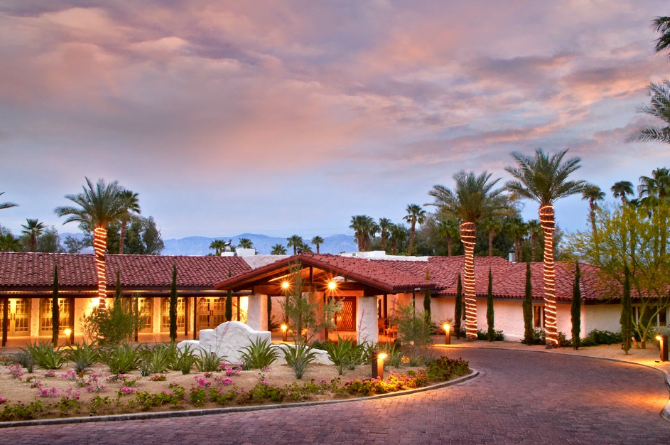
La Casa Del Zorro Resort

La Casa Del Zorro Resort

Historic 1937 desert refuge with spa, pools, dining, and dark-sky stargazing.

3845 Yaqui Pass Rd,
Borrego Springs, CA 92004
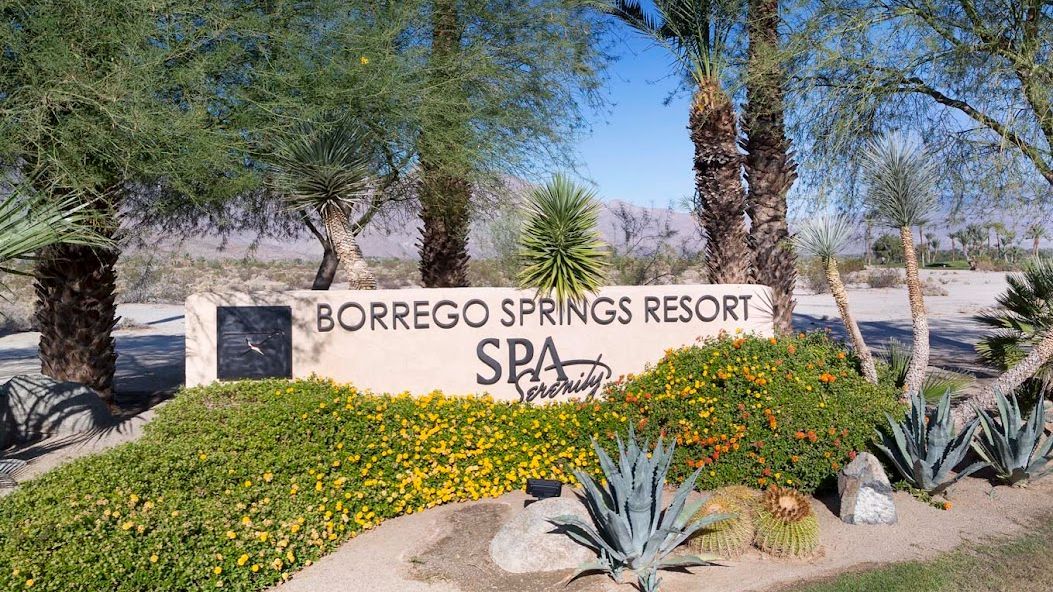
Borrego Springs Resort

Borrego Springs Resort

Luxury, stargazing, swimming, and exceptional dining for the perfect escape.

1112 Tilting T Dr,
Borrego Springs, CA 92004
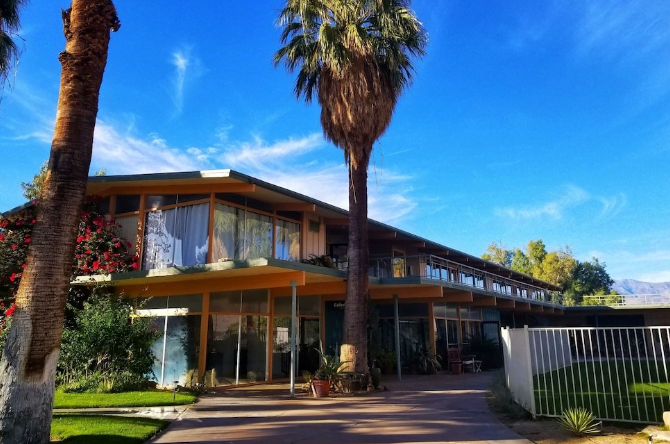
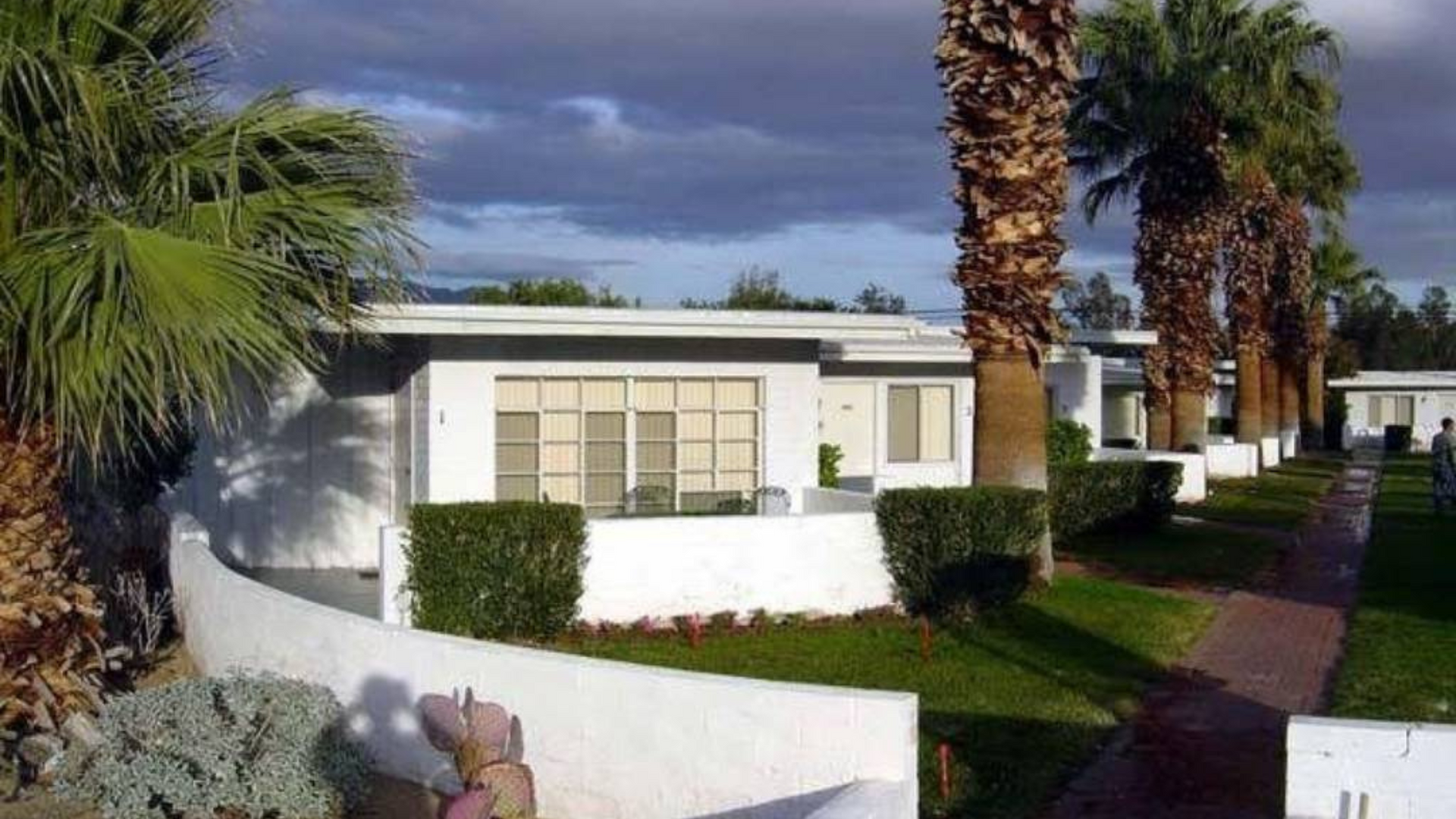
The Palms at Indian Head

The Palms at Indian Head

Mid-century modern boutique hotel built in 1947.

2220 Hoberg Rd,
Borrego Springs, CA 92004
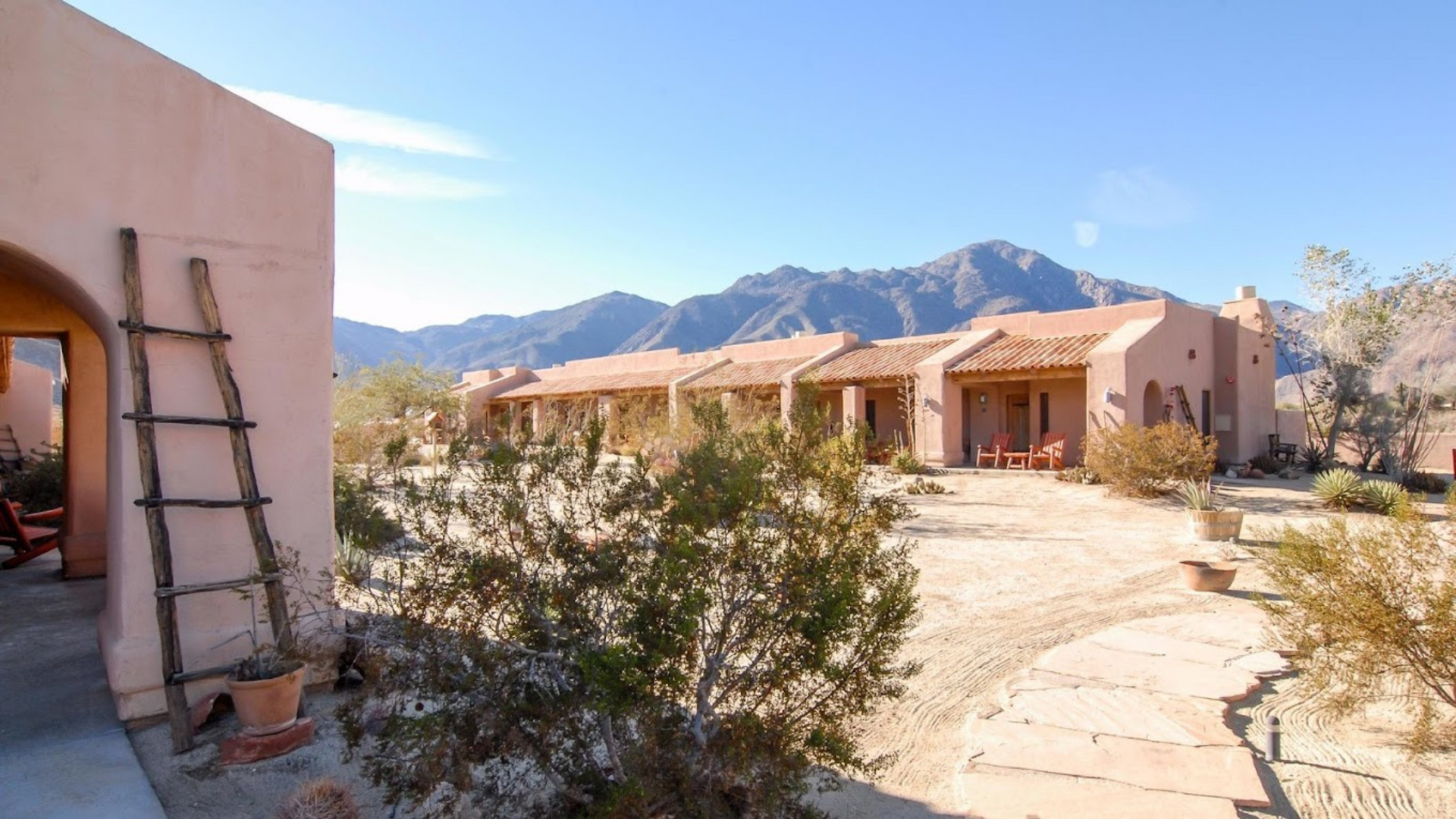
Borrego Valley Inn

Borrego Valley Inn

Adults-only inn with stylish rooms and desert views.

405 Palm Canyon Dr,
Borrego Springs, CA 92004
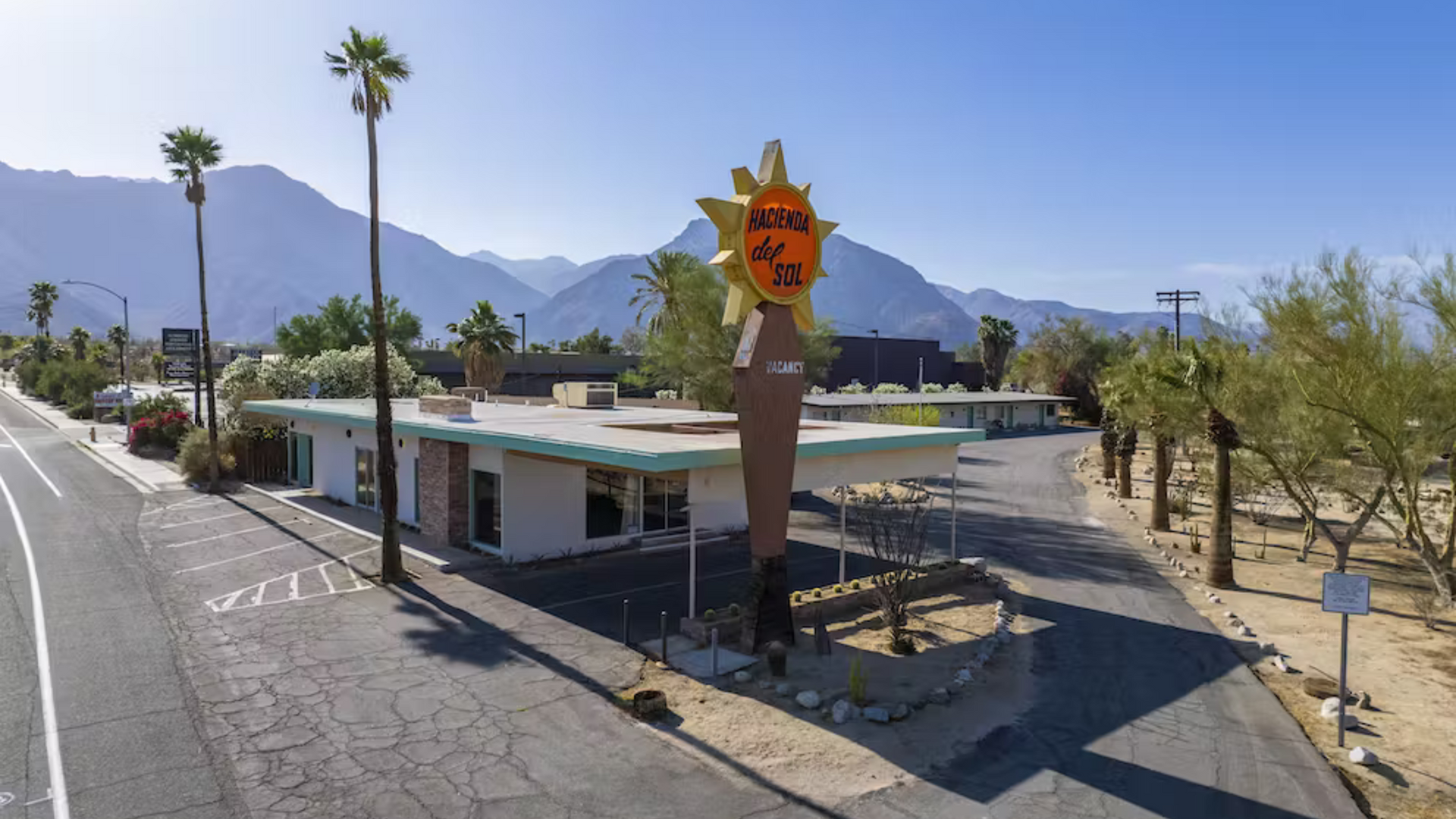
Hacienda Del Sol

Hacienda Del Sol

Private mid-century retreat on six acres in central Borrego Springs.

610 Palm Canyon Dr,
Borrego Springs, CA 92004
The Springs at Borrego

The Springs at Borrego

RV sites, park models, amenities, and recreation.

2255 Di Giorgio Rd,
Borrego Springs, CA 92004
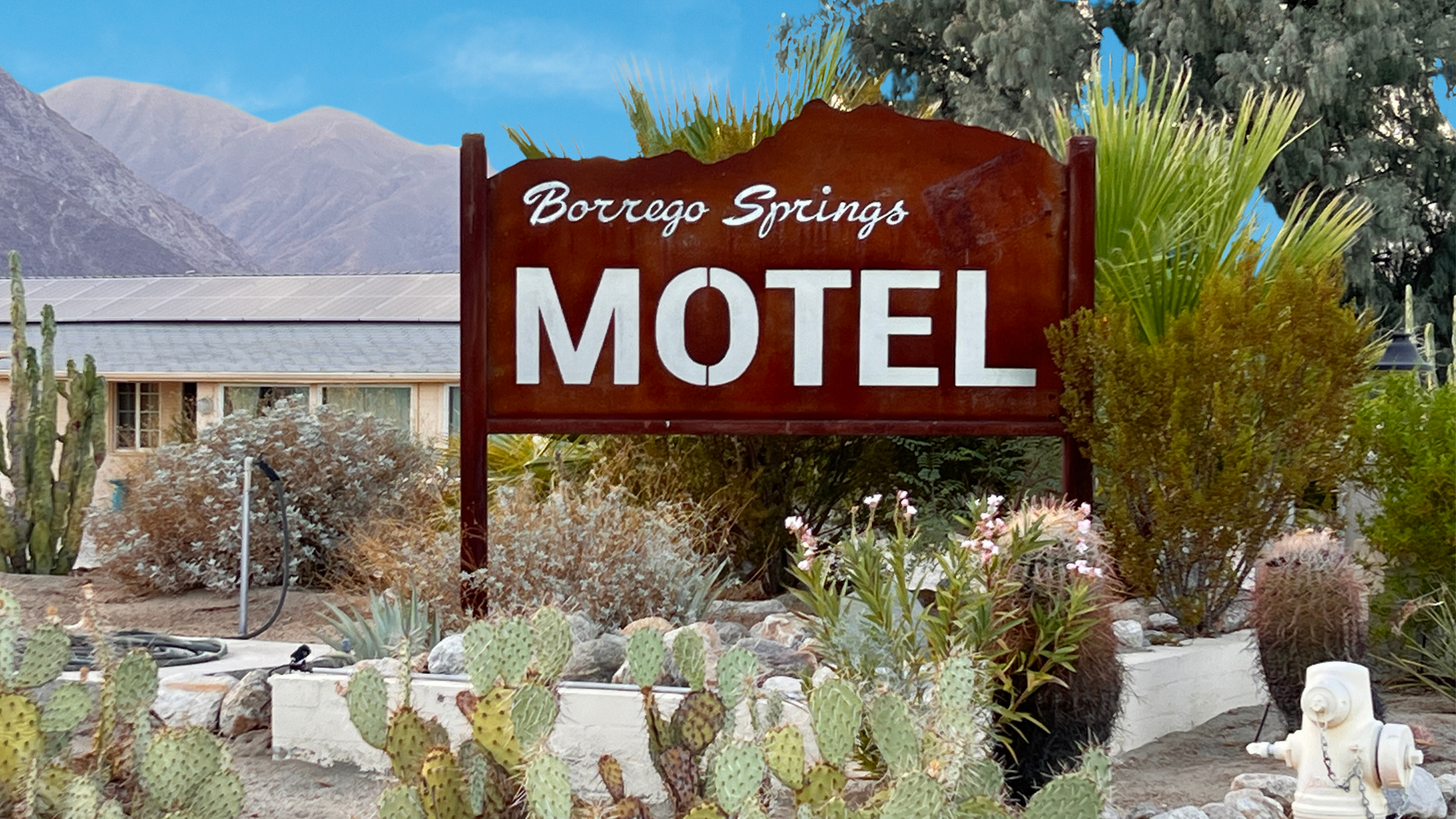
Borrego Springs Motel

Borrego Springs Motel

Clean, affordable rooms with pool and desert views.

2376 Borrego Springs Rd,
Borrego Springs, CA 92004
Stanlunds Inn & Suites

Stanlunds Inn & Suites

Classic desert motel with pool and pet-friendly rooms.

2771 Borrego Springs Rd,
Borrego Springs, CA 92004
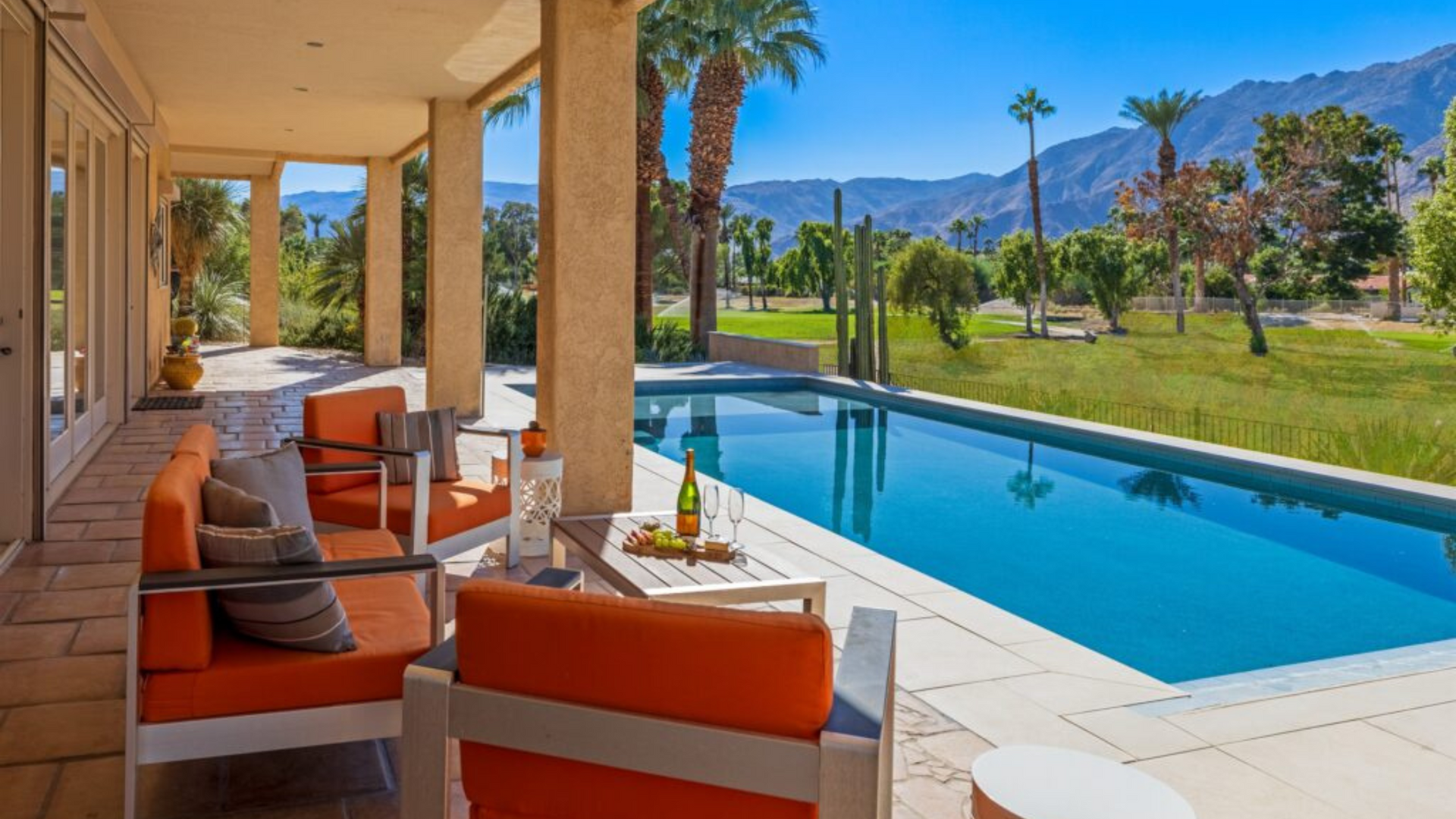
Divine Desert Destination

Divine Desert Destination

Luxury retreat with panoramic mountain, pool, and golf views.

Borrego Springs, CA 92004
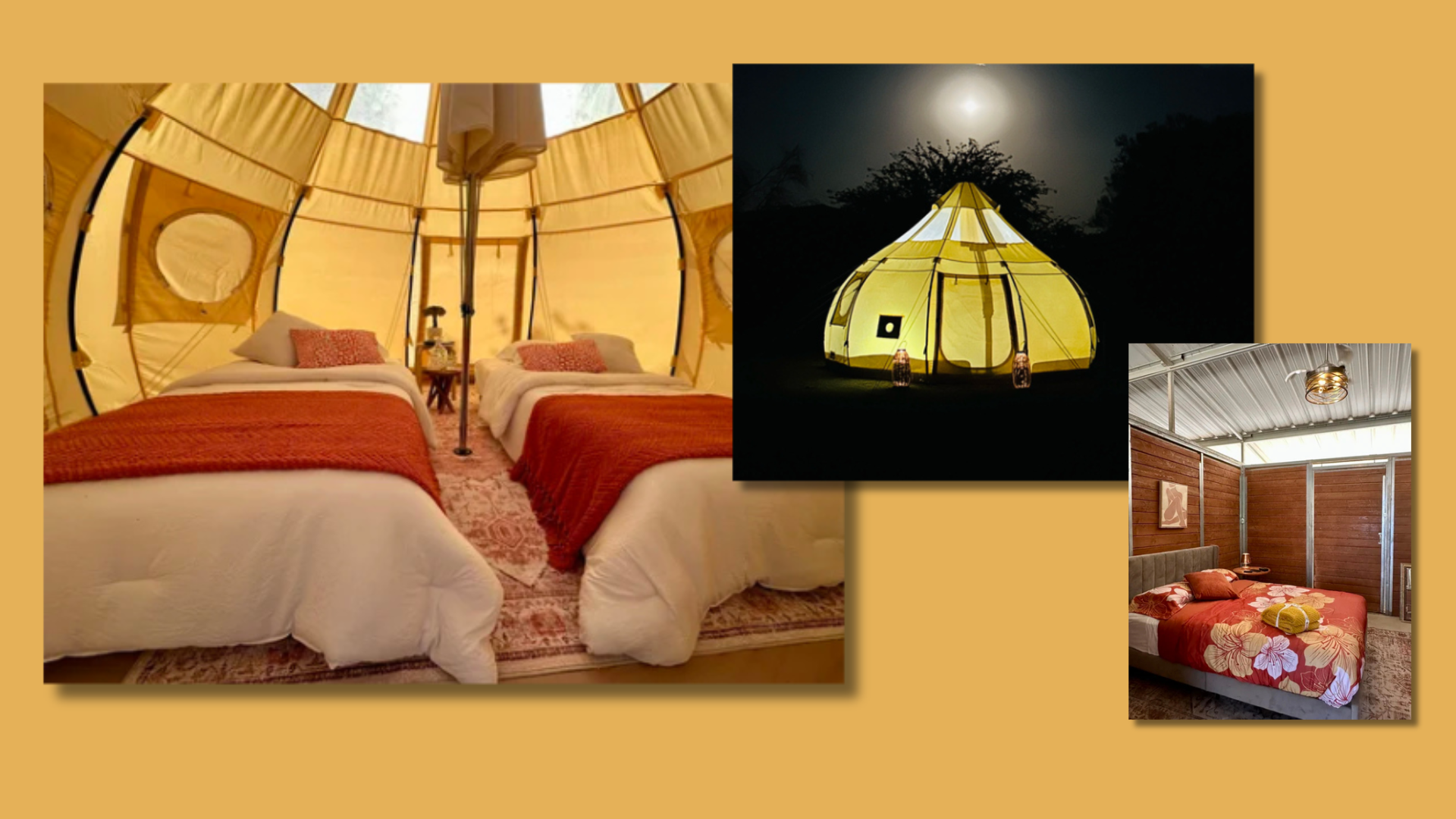
Yellow Woman Ranch

Yellow Woman Ranch

Open-air desert lodging with exceptional stargazing, including the Shakti Room and Moksha Tent.

302 Palm Canyon Dr,
Borrego Springs, CA 92004

FAQs

Got a question? We’re here to help. Contact us!

  • What is Borrego Springs Known For?

    Borrego Springs stands out as a truly unique destination. It's not only the only town in California completely surrounded by a state park, but it's also an official International Dark Sky Community—the first and only in the state. This prestigious designation is part of our commitment to protecting and enjoying our pristine night skies, free from light pollution. As a celebrated geotourism destination, Borrego Springs offers a variety of sustainable travel experiences that are perfect for everyone, from nature enthusiasts to cultural tourists. Whether you're planning a tranquil retreat or an adventurous exploration, Borrego Springs provides an unmatched setting with a wide range of accommodations to enhance your stay.

  • What are my transport options in Borrego Springs if I don't have a car?

    Borrego Springs does not have Uber or similar rideshare services. If you're visiting without a vehicle, consider booking accommodations that offer a shuttle service. Some resorts and hotels in the area provide transport options for guests to key attractions and downtown. Alternatively, you can rent a bike to navigate the town and nearby sites, as the area is bike-friendly though note that there are long desert stretches between points of interest.

  • How can I get around Borrego Springs by bike?

    Biking is a popular way to explore Borrego Springs and the surrounding Anza-Borrego Desert State Park. The town itself is compact and manageable on a bike, and many visitors enjoy cycling to local shops, restaurants, and galleries. For adventures a bit farther afield, such as visiting the metal sculptures in Galleta Meadows, prepare for longer rides across scenic desert landscapes. Ensure you have a good map, plenty of water, and sun protection.

  • What should I consider when choosing a place to stay in Borrego Springs?

    Your choice of accommodation should depend on the activities you plan to engage in while in Borrego Springs. If you're here to enjoy the natural beauty and outdoor activities of Anza-Borrego Desert State Park, look for lodging options on the outskirts of town for easier park access. If you prefer being within walking distance of dining and shopping, staying closer to the town center might be preferable. Remember, if you don't have a vehicle, check if your hotel offers shuttle services or consider calling ahead for an e-bike rental. 

  • Are there any bike rental services in Borrego Springs?

    While traditional bike rental shops are not available in Borrego Springs, some local hotels offer bicycles for guest use—check with your hotel in advance to see if they can accommodate your needs. For those interested in electric bikes, I-Bike Borrego provides an excellent selection of e-bikes perfect for exploring both the town and the surrounding desert landscapes. It’s a good idea to contact them ahead of your visit to ensure availability.

  • What are some nearby attractions I can visit while staying in Borrego Springs?

    Borrego Springs is ideally situated as a base for exploring the Anza-Borrego Desert State Park, known for its stunning wildflowers, hiking trails, and clear night skies. Don't miss the unique metal sculptures in Galleta Meadows, easily accessible by car or bike. The Borrego Springs Art Institute, local galleries, and the Borrego Springs Visitor Center are also worth visiting for insights into local art, culture, and history.

Learn More About Borrego Springs

By Kathy Dice, Borrego Springs Soroptimist Club President June 22, 2026
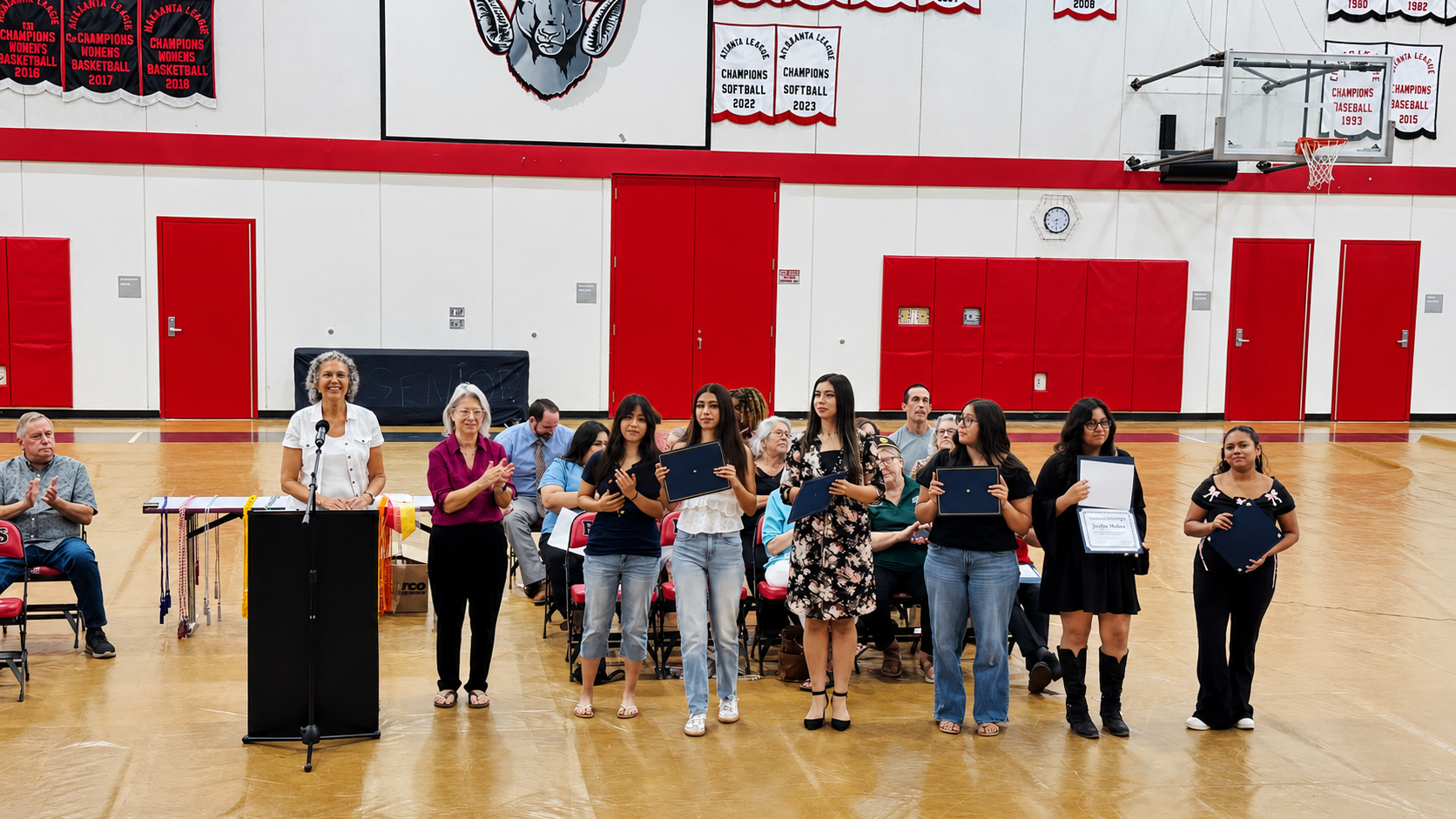
Soroptimist International of Borrego Springs representatives Sally Theriault, Scholarship Committee Chair, and Jenny Huntley, Treasurer, present scholarships to Borrego Springs High School graduating seniors during Awards Night.
By Fr Michael Plekon - St. Barnabas Episcopal Church, BMA Co-Chair June 21, 2026
Community in Action: The Borrego Ministers Association
June 21, 2026
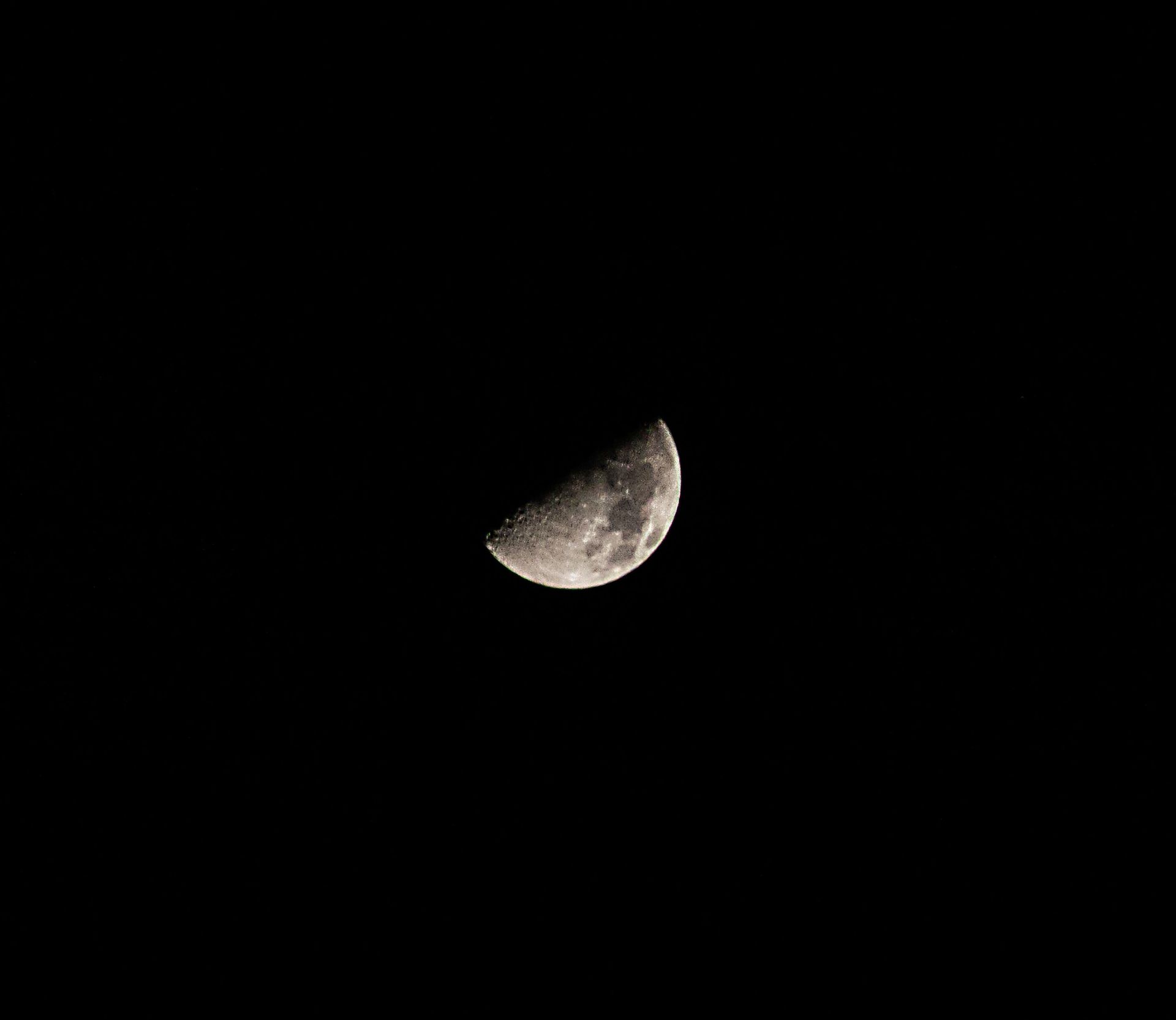
Prepared with information from ABDNHA's Dark Sky resources, Michael Poirier, Astrophotographer, and the Sky Calendar from Michigan State University. Learn more about Borrego Springs dark skies at: https://abdnha.org/darksky/sky / Note: You can subscribe to the Sky Calendar from Abrams Planetarium, Michigan State University, 755 Science Rd, East Lansing, MI 48824. Borrego Springs offers some of the darkest skies in Southern California, making summer an excellent time to observe the Milky Way, planets, meteor showers, and other celestial events. Here's what to look for in June and July 2026. Early June Sunrise: 5:38 a.m. Sunset: 7:50 p.m. PST Day Length: 14 hours 12 minutes June Highlights June 1 (Monday) Venus and Jupiter appear within 8° of each other in the west-northwestern sky after sunset. June 3–16 Milky Way viewing conditions are excellent, with dark, moonless skies after nightfall. The Milky Way rises at 10:57 p.m. on June 7 and as early as 10:30 p.m. on June 14. It remains visible for up to 4 hours and 29 minutes. June 6–13 Grand Canyon Star Party, Arizona. Learn more at www.grandcanyon.org . June 11 (Thursday) Venus, Jupiter, and Mercury span their shortest angle in the evening sky, just 13.2° apart. June 15 (Monday) New Moon — one of the darkest nights of the month for stargazing and astrophotography. June 15 (Monday) Mercury reaches greatest elongation, 24.5° from the Sun, making it the best evening appearance of the year shortly after sunset. June 21 (Sunday) June Solstice marks the beginning of summer in the Northern Hemisphere. It is the longest day of the year with 14 hours and 20 minutes of daylight. June 22–July 2 June Bootids Meteor Shower. June 29 (Monday) Full Moon rises at 8:17 p.m. and sets at 5:04 a.m. June 30 (Tuesday) Asteroid Day. Early July Sunrise: 5:41 a.m. Sunset: 7:59 p.m. Day Length: 14 hours 18 minutes July Highlights July 5 (Sunday) The Milky Way rises at 9:38 p.m. and remains visible for 3 hours and 58 minutes. July 12 (Sunday) The Milky Way rises at 9:34 p.m. and remains visible for 3 hours and 35 minutes. July 14 (Tuesday) New Moon — ideal conditions for stargazing and astrophotography. July 15 (Wednesday) Mercury reaches greatest elongation, 24.5° from the Sun. July 28–29 (Tuesday–Wednesday) Delta Aquariids Meteor Shower peaks. July 29 (Wednesday) Full Moon rises at 8:17 p.m. and sets at 5:04 a.m. The Planets and the Milky Way in June Evening Planets Venus and Jupiter dominate the western sky after sunset throughout June. Around June 8–9, the two planets appear in conjunction, creating a striking close encounter in the west-northwestern sky. Venus, often called the "Evening Star," shines brilliantly as it moves from Taurus toward Gemini and climbs higher in the evening sky each night. Jupiter remains nearby and is also easily visible. Mercury becomes visible low in the western sky during the second half of June. June 15 offers the best viewing opportunity, as Mercury reaches its greatest elongation and highest apparent position above the horizon. Morning Planets Saturn and Mars are visible before sunrise. Mars remains low in the east-northeast, while Saturn rises higher from the east to east-southeast. Early June provides a chance to see the two planets relatively close together. Summer Milky Way Summer is the prime season for viewing the bright central core of the Milky Way. From June through August, the galaxy's core rises in the southeastern sky and becomes one of the most spectacular sights available to dark-sky observers. June Bootids Meteor Shower The June Bootids occur annually from June 22 through July 2 and peak around June 27. Most years produce only one or two meteors per hour. However, this shower has occasionally surprised observers with dramatic outbursts. In 1998, rates briefly reached approximately 100 meteors per hour. The shower originates from debris left by Comet Pons-Winnecke, which orbits the Sun every 6.3 years. June Bootids are known for their unusually slow speed, entering Earth's atmosphere at approximately 14 kilometers per second. Asteroid Day – June 30 Asteroid Day is a United Nations-sanctioned global awareness campaign held annually on June 30. The event educates the public about asteroid impacts, planetary defense, and ongoing research into near-Earth objects. The date commemorates the Tunguska Event of June 30, 1908, when a massive airburst explosion flattened approximately 830 square miles of Siberian forest. The blast is estimated to have released energy equivalent to between 3 and 50 megatons of TNT, making it the largest recorded impact event in modern history. For more information, visit www.un.org. Delta Aquariids Meteor Shower The Delta Aquariids meteor shower peaks on the night of July 28 and the morning of July 29. This annual shower can produce up to 20 meteors per hour under ideal conditions and is associated with debris from Comets Marsden and Kracht. The shower runs from July 12 through August 23 each year. Unfortunately, the 2026 peak coincides with a Full Moon, which will wash out many fainter meteors. Patient observers may still catch some of the brighter meteors throughout the night. The meteors appear to radiate from the constellation Aquarius but can be seen anywhere in the sky. Learn More About Borrego Springs' Dark Skies Borrego Springs is California's first International Dark Sky Community and one of the best places in Southern California to experience the Milky Way, meteor showers, planets, and other celestial events. To learn where to observe, dark sky etiquette, upcoming programs, and more about stargazing in Borrego Springs, visit the Anza-Borrego Desert Natural History Association's Dark Sky resources: https://abdnha.org/darksky/sky/
Show More